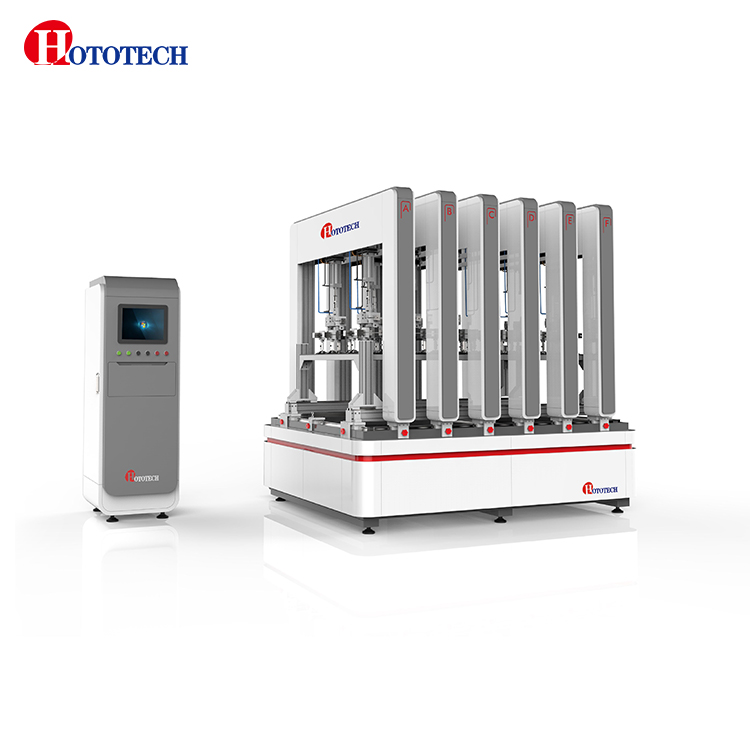
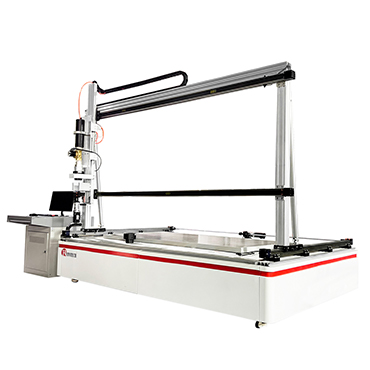
Unlocking the Hidden Flaws: How EL Testing Safeguards PV Module Quality

Unlocking the Hidden Flaws: How EL Testing Safeguards PV Module Quality
In the photovoltaic (PV) industry, a solar panel might look flawless from the outside, featuring clean glass and perfectly aligned cells. However, looks can be highly deceiving. During manufacturing, transportation, or installation, solar panels are prone to internal, invisible injuries—such as micro-cracks, soldering defects, and PID (Potential Induced Degradation).
If left undetected, these hidden flaws act as ticking time bombs, severely degrading power output over time or even causing localized hotspots that lead to fires.
To prevent these risks, manufacturers and quality control engineers rely on a crucial solar panels test method: Electroluminescence (EL) Testing. In this guide, we will explore what an EL tester does, how a professional PV module test works using this technology, and where it is applied across the industry.
What is an EL Tester and What Does It Do?
An EL Tester is essentially an "X-ray machine" for photovoltaic modules. It utilizes the principle of electroluminescence to capture near-infrared images of the internal structures of solar cells.
While a Solar Simulator measures a panel’s overall electrical output, the EL Tester looks inside the panel to find structural anomalies. It acts as the ultimate diagnostic tool to identify defects that are completely invisible to the human eye, including:
-
Micro-cracks: Microscopic fractures in the silicon wafer caused by mechanical stress or thermal shock.
-
Finger Breaks & Grid Lines Deficiencies: Broken contact fingers that prevent current from flowing efficiently.
-
Soldering Defects: Poorly bonded busbars or ribbon misalignments.
-
Dead Cells & Black Blocks: Regions within a module that are completely inactive or electrically isolated.
How Does a Professional EL PV Module Test Work?
The science behind an EL test is elegant but requires high-precision engineering. It reverses the natural function of a solar panel.
Instead of taking in light to generate electricity, the EL tester injects a forward current into the PV module. When electricity flows backward through the solar cells, the silicon material is stimulated and emits near-infrared (NIR) light.
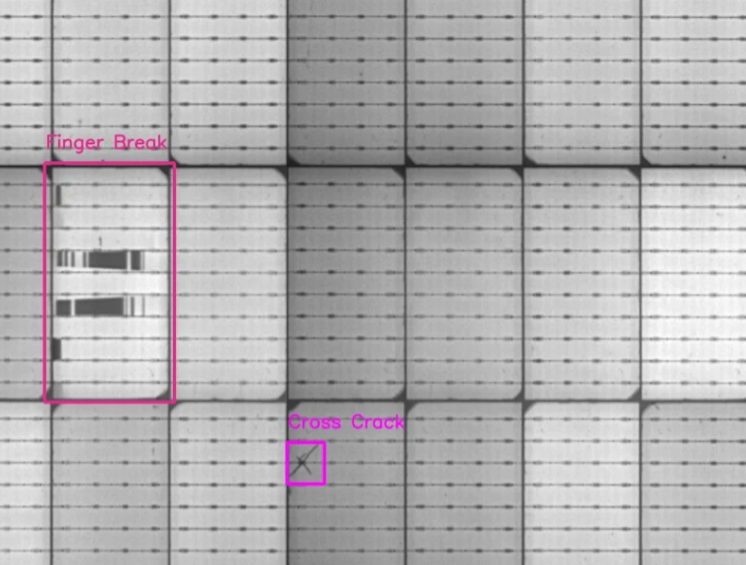
The intensity of the emitted light is directly proportional to the current density in that specific area of the cell. Healthy areas glow brightly, while defective areas—like cracks or broken fingers—block the current flow and appear as dark lines or completely black spots on the imagery.
To capture this faint near-infrared emission, a professional EL testing system integrates three core components:
-
High-Sensitivity Infrared Cameras: Specialized InGaAs or cooled CCD cameras optimized for the 900–1100 nm wavelength range to capture ultra-high-resolution images.
-
Programmable DC Power Supply: Delivers stable, adjustable forward current to power the modules precisely.
-
AI-Powered Defect Recognition Software: Modern EL software automatically scans the captured images, using deep learning algorithms to flag, categorize, and log micro-cracks or bad soldering within seconds.
Target Applications and Key Industries
Because micro-cracks can happen at any stage of a solar panel's life cycle, EL solar panels test systems are widely deployed across various critical sectors:
-
PV Module Manufacturing Plants EL testers are mandatory quality gates on the factory floor. They are typically deployed twice during production: once right after string soldering (before lamination) so defective cells can be replaced easily, and a final time before packaging to ensure zero-defect shipping.
-
Solar Project EPC Contractors & Developers Panels undergo significant mechanical stress during overseas shipping and rough onsite handling. EPC contractors use mobile or portable EL testers for incoming quality control (IQC) at the solar farm site before mounting the panels.
-
Operation & Maintenance (O&M) Providers After severe weather events like hailstorms, heavy snow, or high winds, O&M teams utilize field EL testing equipment to diagnose panel degradation, locate faulty strings, and file accurate insurance claims.
-
Research & Certification Laboratories R&D centers rely on laboratory-grade EL imaging to evaluate new cell architectures (like TOPCon, HJT, or Perovskites) and analyze how they withstand long-term environmental degradation during accelerated aging tests.
Conclusion
A comprehensive PV module test is incomplete without visualizing internal integrity. While electrical output testing tells you how a panel performs today, EL testing tells you how long that performance will actually last in the field. Implementing high-precision EL testing equipment ensures structural reliability, protects long-term investments, and maximizes the return on investment (ROI) for global solar installations.
Looking to secure your solar manufacturing line or verify project quality with advanced EL testing systems? Contact our technical specialists today for expert consultations and product solutions.
Wet Leakage Current Test Equipment for Solar Modules: Ensuring PV Safety and Reliability
Essential Guide to PV Module Testing: How a Solar Module IV Tester Ensures Peak Performance