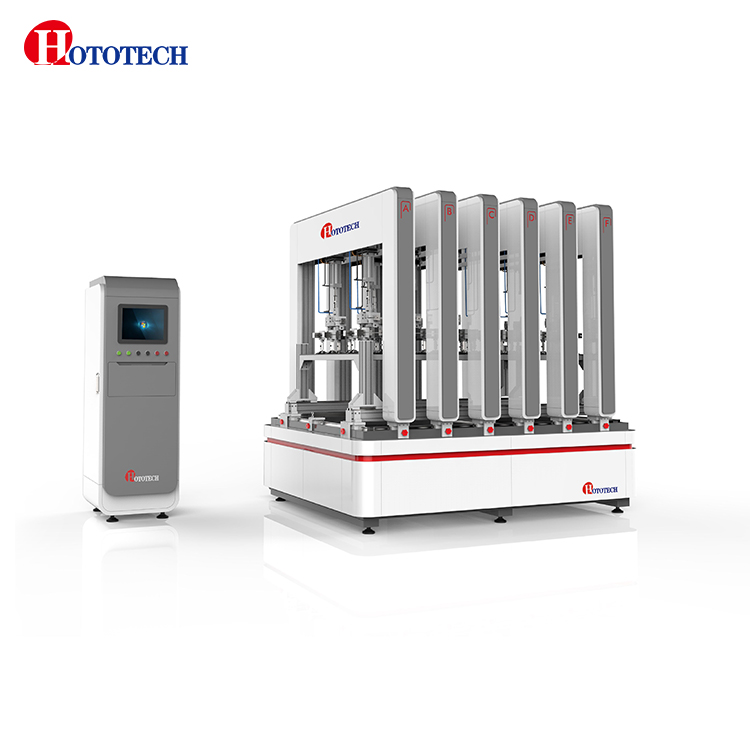
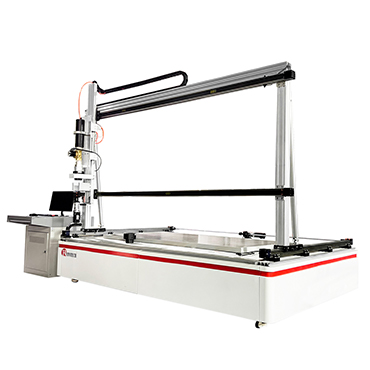
PV Module Mechanical Load Testing Machine: What Is It and How Does It Work?

PV Module Mechanical Load Testing Machine: What Is It and How Does It Work?

A PV module mechanical load testing machine, also known as a solar panel mechanical load tester, is designed to apply controlled mechanical pressure to the surface of a photovoltaic module. The test evaluates whether the module can withstand the mechanical loads required by applicable PV testing standards.
IEC 61215 Mechanical Load Test
The IEC 61215-2 standard is one of the main standards used for photovoltaic module design qualification and type approval.
The MQT 16 Static Mechanical Load Test evaluates the ability of a PV module to withstand specified mechanical loads. The load is applied to the module surface and maintained for the required test duration.
For modules without special load requirements, the commonly referenced minimum design load is 1600 Pa, with a safety factor of at least 1.5, resulting in a minimum test load of 2400 Pa. Higher loads, such as 5400 Pa, may be required depending on the module design and applicable requirements.
The latest IEC 61215-2:2021 edition also includes MQT 20 Cyclic Mechanical Load Testing, which evaluates the module under repeated mechanical loading.
How Does a Solar Panel Mechanical Load Test Work?
During the test, the photovoltaic module is securely installed on the test fixture. The loading system then applies a controlled force to the front or rear surface of the module.
The machine controls and monitors important parameters such as:
- Mechanical load
- Test pressure
- Loading time
- Loading direction
- Test cycles
- Module deformation
After the specified test is completed, the module is inspected for visible damage such as cracks, glass breakage, frame deformation and other defects. Electrical performance or EL inspection can also be performed when required.
Why Is PV Mechanical Load Testing Important?
Mechanical loading can cause damage that is not always visible during a normal visual inspection. In particular, excessive mechanical stress may lead to solar cell microcracks, which can affect the electrical performance and long-term reliability of a PV module.
Mechanical load testing helps PV manufacturers and testing laboratories:
- Verify PV module mechanical strength
- Evaluate module frame and structural design
- Identify potential cell cracking
- Support IEC 61215 qualification
- Compare different module designs
- Improve long-term module reliability
How to Choose a PV Module Mechanical Load Testing Machine?
When selecting a PV module mechanical load tester, manufacturers and laboratories should consider the maximum module size, maximum test load, loading direction, load distribution, test accuracy and safety protection.
For laboratories that need both static and cyclic testing, the equipment should also support the corresponding loading control and test cycle requirements.
A properly designed photovoltaic module mechanical load testing machine provides stable loading, accurate control and repeatable test conditions, helping PV manufacturers verify the mechanical reliability of their solar panels.
Photovoltaic Module Mechanical Load Test: Why It Matters for Solar Panel Reliability