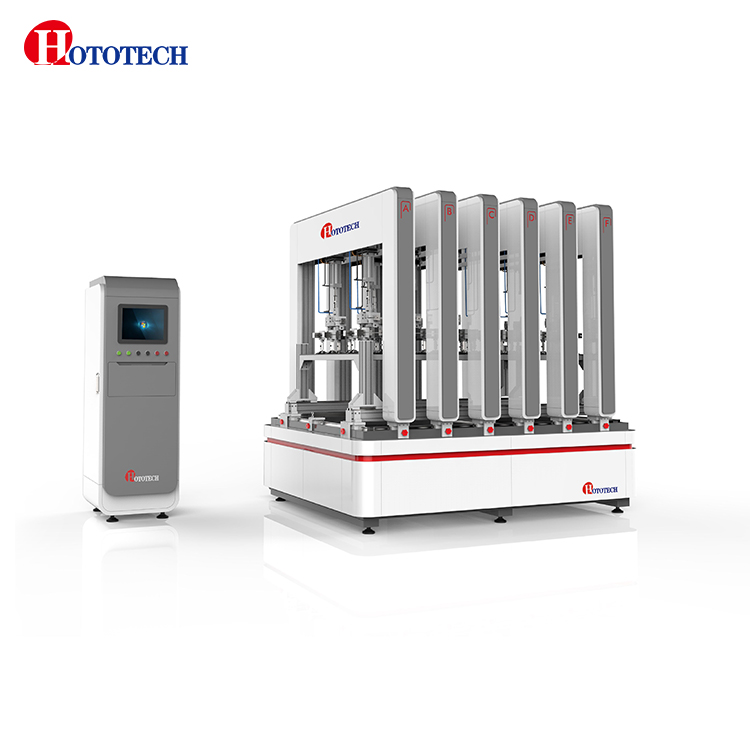
PV Module Wet Leakage Current Tester: Testing Principles, Applications and IEC Standards

PV Module Wet Leakage Current Tester: Testing Principles, Applications and IEC Standards

For solar panel manufacturers, photovoltaic testing laboratories, and certification organizations, wet leakage current testing is an important part of PV module safety and reliability evaluation.
What Is a PV Module Wet Leakage Current Test?
A solar panel wet leakage current test evaluates the insulation integrity of a photovoltaic module when its surfaces and edges are exposed to a conductive liquid.
During outdoor operation, solar panels may be exposed to rain, dew, fog, and other wet environmental conditions. If moisture penetrates damaged seals, insulation layers, or electrical connections, it may create leakage paths and increase the risk of electric shock, corrosion, or insulation failure.
The wet leakage current test simulates these conditions in a controlled laboratory environment. It helps verify whether the PV module maintains adequate electrical insulation when wet.
This test is particularly relevant to crystalline silicon solar modules and other photovoltaic module designs that require electrical safety and insulation performance verification.
Which Standards Apply to PV Wet Leakage Current Testing?
The primary international standards associated with photovoltaic wet leakage current testing include:
-
IEC 61215-2, MQT 15: Wet leakage current testing within the PV module design qualification and type approval test sequence.
-
IEC 61730-2, MST 17: Wet leakage current testing within the photovoltaic module safety qualification framework.
The applicable test requirements depend on the relevant standard edition, module technology, and certification program. Laboratories should confirm the required procedures and acceptance criteria against the applicable standard before testing.
A wet leakage current tester designed for IEC 61215 and IEC 61730 applications helps manufacturers and laboratories conduct testing according to their specified compliance requirements.
How Does a Wet Leakage Current Tester Work?
A PV module wet leakage current test system generally consists of an insulated water tank, a liquid temperature control system, a conductivity measuring instrument, an electrical test system, and safety protection components.
The typical testing process includes the following steps.
1. Prepare the photovoltaic module
Inspect the solar panel and prepare the specimen according to the applicable test procedure. Check the electrical connections and ensure that the test area is ready for safe operation.
2. Prepare the conductive test solution
Prepare the specified liquid and verify its conductivity and temperature. These parameters must be controlled according to the applicable standard and test procedure.
3. Expose the module to the test solution
Place or immerse the module as required by the prescribed procedure so that the relevant surfaces, edges, and electrical insulation areas are exposed to the conductive liquid.
4. Apply the specified test voltage
Connect the electrical test system according to the standard's requirements and apply the specified voltage between the appropriate electrical points.
5. Measure insulation resistance and evaluate the results
Measure the relevant electrical parameters and evaluate the results against the applicable acceptance criteria. Record the test conditions and results for quality control or certification documentation.
The exact voltage, exposure conditions, test duration, and acceptance criteria must be determined from the applicable standard and module specifications rather than assumed to be identical for every test.
Key Features of a PV Module Wet Leakage Current Tester
When selecting a solar panel wet leakage current test system, manufacturers and laboratories should consider several important features.
Controlled liquid temperature: A temperature control system helps maintain the required solution temperature throughout the test.
Liquid conductivity monitoring: A conductivity meter verifies that the test solution meets the specified conductivity or resistivity requirements.
Electrical insulation testing: The electrical test system supports the required voltage application and measurement of insulation performance.
Insulated test tank and platform: Properly selected insulating materials help reduce unintended electrical paths and support safe testing.
Compatibility with large solar panels: The test area should accommodate the maximum dimensions and weight of the photovoltaic modules being evaluated.
Safety protection: Appropriate electrical protection, interlocks, and emergency stop functions help reduce operational risks during high-voltage testing.
Data recording: Test data recording and report generation can improve traceability, repeatability, and laboratory workflow.
Depending on the laboratory's requirements, the system may also incorporate automated temperature control, digital conductivity monitoring, and integrated electrical testing functions.
How to Choose the Right PV Wet Leakage Current Test Equipment
Choosing the right PV module wet leakage current tester requires more than comparing equipment prices. Buyers should evaluate the following factors.
Applicable testing standards: Confirm that the system supports the required procedures under IEC 61215-2 MQT 15, IEC 61730-2 MST 17, or other specified standards.
Maximum module size: Ensure that the test tank and supporting platform can accommodate the largest solar panels used in your laboratory.
Voltage and measurement range: Select suitable electrical test capabilities according to the required module system voltage and applicable test procedure.
Temperature and conductivity control: Verify the adjustment range, measurement accuracy, and control performance required by your testing program.
Laboratory configuration: Consider available installation space, drainage, power supply, specimen handling, and integration with other PV testing equipment.
Manufacturer support: Technical documentation, installation guidance, calibration support, and after-sales service can be important for long-term laboratory operation.
For laboratories performing multiple photovoltaic safety tests, an integrated testing solution may also help streamline specimen handling and test data management.
Why Is Wet Leakage Current Testing Important for Solar Panel Manufacturers?
Wet leakage current testing helps identify potential insulation weaknesses that may not be apparent during a visual inspection or a dry electrical test.
For PV module manufacturers, this test supports product development, quality assurance, and verification of electrical safety performance. For independent laboratories, it provides a controlled method of evaluating insulation behavior under wet conditions.
By identifying potential problems before products enter the market, manufacturers can improve quality control and reduce the risk of electrical safety issues during outdoor service.
However, passing a wet leakage current test alone does not establish complete PV module certification. It should be considered alongside the other tests required by the applicable qualification and safety standards.
HOTOTECH PV Module Wet Leakage Current Testing Solutions
HOTOTECH specializes in testing equipment for photovoltaic modules and other industrial applications. Our PV testing equipment solutions are designed to support laboratory testing, product quality control, and standards-based evaluation.
When selecting a wet leakage current test system, customers can discuss their required test standards, maximum module dimensions, test voltage, liquid temperature control, conductivity monitoring, and data recording requirements with our technical team.
Whether you are establishing a new photovoltaic testing laboratory or upgrading an existing solar panel testing line, selecting equipment according to your actual test requirements is essential for reliable and repeatable results.
Contact HOTOTECH to discuss your PV module wet leakage current tester requirements and request a customized technical proposal.
PV Module Mechanical Load Testing Machine: What Is It and How Does It Work?