PV Module UV Environmental Test Chamber: Why UV Testing Matters for Solar Panels

PV Module UV Environmental Test Chamber: Why UV Testing Matters for Solar Panels

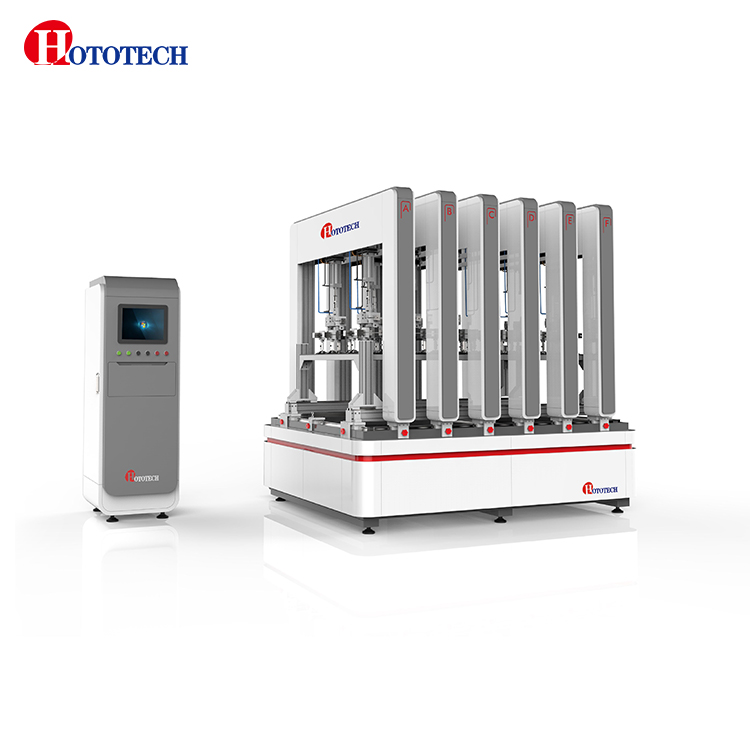
To evaluate the UV resistance and long-term reliability of photovoltaic modules, manufacturers and testing laboratories use a PV module UV environmental test chamber for controlled UV exposure testing.
What Is a PV Module UV Test?
A PV module UV test is an accelerated environmental test that exposes a solar panel to controlled ultraviolet radiation under specified temperature and irradiation conditions.
The purpose is not simply to reproduce years of outdoor sunlight in a short period. Instead, UV testing helps identify materials and bonding components that may be susceptible to UV degradation before the module undergoes subsequent environmental tests.
The IEC 61215 series includes the UV Preconditioning Test (MQT 10) as part of the photovoltaic module design qualification and type approval testing sequence.
Why Is UV Testing Important for PV Modules?
Continuous UV exposure can gradually affect several components of a solar panel, including:
- EVA or other encapsulation materials
- Backsheets
- Adhesives and bonding materials
- Protective coatings
- Polymer components
- Other materials exposed to sunlight
UV degradation may lead to discoloration, cracking, delamination, loss of adhesion, and other material changes. These changes can potentially affect the durability and electrical performance of the photovoltaic module.
Therefore, a solar panel UV aging test provides an important way to evaluate material durability and identify potential weaknesses during the product development and qualification process.
IEC 61215 UV Preconditioning Test – MQT 10
For PV module manufacturers looking for an IEC 61215 UV test chamber, the UV preconditioning requirements are particularly important.
According to the MQT 10 procedure, the module is exposed to UV radiation in the 280 nm to 400 nm wavelength range. The total UV irradiation is at least 15 kWh/m², while the module temperature is maintained at approximately 60 ± 5 °C. The UV irradiance distribution across the test plane also needs to meet the specified uniformity requirements.
The UV exposure includes both UV-A and UV-B wavelength regions. The proportion of irradiation between 280 nm and 320 nm is controlled within the range specified by the test method.
For bifacial photovoltaic modules, the corresponding UV exposure may also need to be performed on the rear side according to the applicable test procedure.
Key MQT 10 Test Conditions
| Test Parameter | Typical Requirement |
|---|---|
| Test Method | IEC 61215 MQT 10 |
| UV Wavelength Range | 280–400 nm |
| Total UV Dose | ≥ 15 kWh/m² |
| Module Temperature | 60 ± 5 °C |
| UV-B Proportion | 3%–10% of UV irradiation |
| Irradiance Uniformity | Within ±15% |
| Test Object | PV / Solar Module |
These parameters make the PV module UV environmental test chamber an important piece of equipment for photovoltaic module qualification and reliability testing.
How Does a PV Module UV Environmental Test Chamber Work?
A typical PV UV test chamber combines a UV radiation system with temperature control and UV irradiance measurement.
The photovoltaic module is installed at a defined test position. UV lamps generate controlled ultraviolet radiation, while sensors monitor the irradiation level and module temperature.
During the test, the system continuously controls the test conditions to provide stable and repeatable UV exposure. The accumulated UV dose can then be monitored until the required exposure level is reached.
A well-designed solar panel UV aging chamber should provide:
- Stable UV irradiation
- Uniform UV exposure across the test area
- Accurate UV irradiance measurement
- Controlled module temperature
- UV dose monitoring
- Programmable test duration
- Data recording and test reporting
These functions help laboratories achieve repeatable test results and improve the reliability of PV module environmental testing.
PV Module UV Test Chamber for Solar Panel Manufacturers
A PV module UV environmental test chamber can be used by:
- Photovoltaic module manufacturers
- Solar panel manufacturers
- PV material manufacturers
- Third-party testing laboratories
- Certification laboratories
- Research and development laboratories
It can be used during material selection, product development, quality control, reliability evaluation, and certification testing.
UV Aging Test vs. Outdoor Exposure
Outdoor exposure testing provides real-world environmental conditions, but it can require a long testing period and is affected by weather and geographic location.
A PV module UV aging test chamber provides a controlled laboratory environment where UV exposure, temperature, and other test parameters can be monitored and controlled.
Therefore, UV environmental testing is useful for accelerated evaluation of material and module durability before long-term outdoor deployment.
It is important to understand that the IEC 61215 MQT 10 UV preconditioning test is a qualification-oriented test designed to identify susceptibility to UV degradation, rather than a direct simulation of the complete UV exposure a module will experience throughout its lifetime.
Choosing the Right PV Module UV Test Chamber
When selecting a UV test chamber for photovoltaic modules, manufacturers should consider more than the lamp power.
Important factors include:
- UV wavelength range – The system should provide the required UV spectrum for the applicable test standard.
- Irradiance uniformity – Uniform UV exposure is essential for obtaining reliable and repeatable results.
- Temperature control – The chamber should accurately control the module temperature required by the test method.
- UV irradiance measurement – Reliable sensors and calibration are important for controlling the actual UV exposure.
- Test area and module size – The chamber should accommodate the dimensions and mounting requirements of the PV modules being tested.
- Data acquisition – Automatic monitoring and recording of UV intensity, temperature, exposure time, and accumulated UV dose can improve testing efficiency.
Conclusion
UV radiation is one of the important environmental factors affecting the long-term durability of photovoltaic modules. A PV module UV environmental test chamber provides a controlled laboratory environment for evaluating the resistance of solar panels and their materials to ultraviolet exposure.
For manufacturers developing reliable solar modules, IEC 61215 UV preconditioning testing (MQT 10) can provide valuable information about the UV durability of module materials and components.
If you are looking for a PV module UV test chamber, solar panel UV aging chamber, or IEC 61215 UV preconditioning test equipment, the equipment should be selected according to the required module size, UV spectrum, irradiation level, temperature range, and applicable testing standard.
PV Module Breakage Test Machine: Testing the Mechanical Strength of Solar Panels
PV Module Hail Impact Test: How Does a Hail Impact Test Machine Work?