Photovoltaic Module Mechanical Load Test: Why It Matters for Solar Panel Reliability
Photovoltaic Module Mechanical Load Test: Why It Matters for Solar Panel Reliability

To evaluate the mechanical reliability of solar panels, the PV module mechanical load test is an important part of photovoltaic module qualification testing.
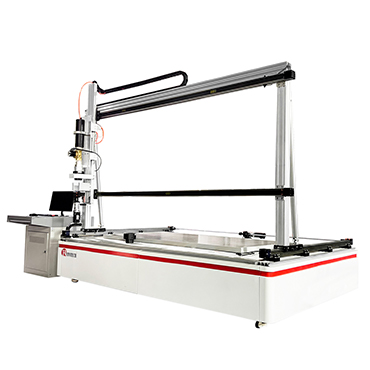
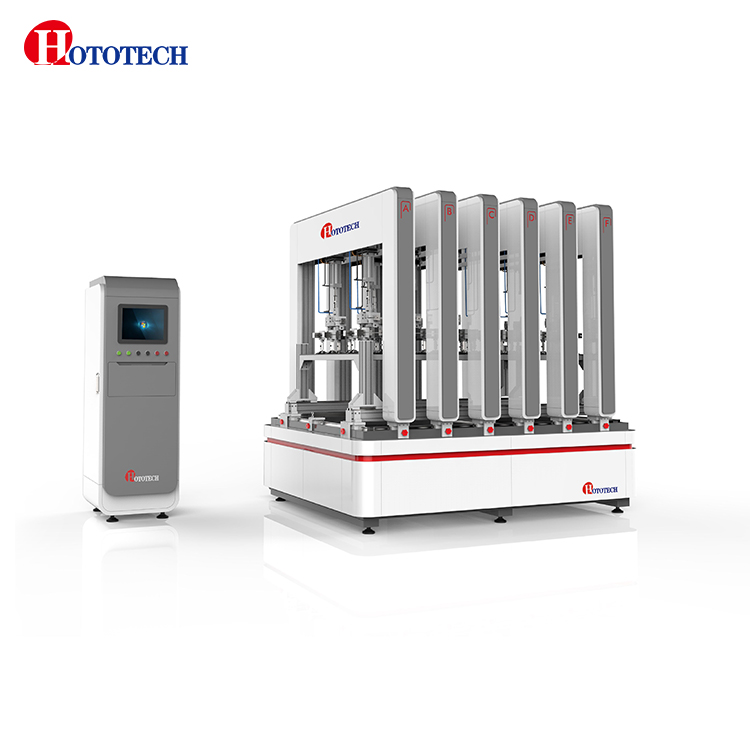
A PV Module Mechanical Load Tester, also known as a Solar Panel Mechanical Load Tester or Photovoltaic Module Static Load Tester, is designed to apply controlled mechanical pressure to PV modules and verify their ability to withstand specified loads.
What Is a PV Module Mechanical Load Test?
The photovoltaic module mechanical load test evaluates whether a solar panel can withstand mechanical loads that may occur during actual outdoor operation.
In practical applications, PV modules may experience:
- Wind pressure and wind suction
- Snow loads
- Ice loads
- Installation-related mechanical stress
- Repeated environmental loading
The test applies a controlled and generally distributed load to the front and rear surfaces of the PV module. After the test, the module can be inspected for visible damage and changes in electrical performance.
The mechanical load test is mainly associated with IEC 61215, the international standard series for terrestrial photovoltaic module design qualification and type approval.
IEC 61215 Mechanical Load Test
The current IEC 61215-2:2021 includes the Static Mechanical Load Test (MQT 16). The standard also introduced a Cyclic (Dynamic) Mechanical Load Test (MQT 20) for evaluating module durability under repeated mechanical loading.
For the static mechanical load test, commonly referenced test load levels include 2400 Pa and 5400 Pa, depending on the module design load and test direction.
In typical PV module testing:
- 2400 Pa is commonly associated with wind-related mechanical loading.
- 5400 Pa represents a higher mechanical load commonly used for snow and ice load evaluation.
The exact test load should always be determined according to the applicable standard, module specifications, mounting configuration and manufacturer's declared design load.
The test load is related to the module's design load and the applicable safety factor. IEC 61215 test documentation commonly specifies a safety factor of at least 1.5 between test load and design load.
Why Is Mechanical Load Testing Important for Solar Panels?
A photovoltaic module may appear normal after manufacturing but still contain mechanical weaknesses that become apparent under external loading.
Mechanical load testing helps manufacturers identify potential problems such as:
1. Glass Breakage
Excessive mechanical stress can cause cracks or breakage in the front glass or rear glass of a PV module.
2. Solar Cell Cracks
Mechanical deformation can create microcracks or larger cracks in solar cells. These defects may reduce electrical output and potentially develop further during long-term operation.
3. Frame Deformation
The aluminum frame must maintain sufficient mechanical strength to support the module during installation and operation.
4. Electrical Performance Degradation
Mechanical stress can damage cells, interconnections or solder joints. Therefore, electrical performance may need to be evaluated before and after mechanical load testing.
5. Long-Term Reliability
The mechanical load test provides important information about whether a PV module design can withstand the environmental conditions expected during its service life.
Research on IEC 61215 mechanical loading has shown that mechanical stress can be particularly significant around the module frame and glass structure, demonstrating why mechanical load testing is important for PV module reliability.
How Does a PV Module Mechanical Load Tester Work?
A typical PV module mechanical load testing machine consists of a rigid support structure, module mounting system, loading system and control system.
The basic testing process is:
Step 1 – Mount the PV Module
The solar panel is installed according to the specified mounting method.
Step 2 – Apply Mechanical Load
A controlled load is gradually applied to the front or rear surface of the module.
Step 3 – Maintain the Required Load
The specified pressure is maintained for the required test duration.
Step 4 – Change the Load Direction
Depending on the test procedure, loading can be applied to different surfaces or directions.
Step 5 – Inspect the Module
The module is inspected for visible damage, deformation, cracks and other abnormalities.
Step 6 – Check Electrical Performance
Electrical measurements or other specified inspections can be performed after mechanical loading to determine whether the module has suffered performance degradation.
Static Mechanical Load Test vs. Dynamic Mechanical Load Test
It is important to distinguish between static and dynamic mechanical load testing.
Static Mechanical Load Test
The Static Mechanical Load Test (MQT 16) applies a specified mechanical load to the PV module and maintains it for a defined period.
This test is primarily used to evaluate the module's ability to withstand static environmental loads such as wind, snow and ice.
Cyclic Mechanical Load Test
The Cyclic (Dynamic) Mechanical Load Test (MQT 20) evaluates the module under repeated mechanical loading.
IEC 61215-2:2021 introduced MQT 20 as an additional test method, reflecting the importance of repeated mechanical stress in photovoltaic module reliability evaluation.
What Should You Consider When Choosing a Solar Panel Mechanical Load Tester?
When selecting a PV Module Mechanical Load Tester, manufacturers and laboratories should consider several important factors:
- Maximum test load
- Load accuracy
- Module size and weight
- Front-side and rear-side loading
- Module mounting configuration
- Uniformity of applied load
- Test duration and cycle control
- Safety protection
- Automatic control and data recording
- Compatibility with IEC 61215 testing requirements
For large-format solar panels, the test chamber or mechanical structure should provide sufficient working space for the module dimensions and mounting configuration.
The loading system should also be capable of applying the required pressure gradually and uniformly rather than creating concentrated loads that do not represent the intended test condition.
Applications of PV Module Mechanical Load Testing
PV mechanical load testing is widely used by:
- PV module manufacturers
- Solar panel R&D laboratories
- Photovoltaic testing laboratories
- Certification organizations
- Solar energy research institutes
- Quality inspection organizations
- Third-party testing laboratories
It can be used during PV module design validation, product development, quality control, certification testing and reliability research.
Conclusion
The PV module mechanical load test is an important method for evaluating the structural reliability of solar panels under environmental mechanical stress.
A properly designed PV Module Mechanical Load Tester can simulate controlled wind, snow and other mechanical loading conditions and help manufacturers identify potential problems such as glass breakage, cell cracks, frame deformation and electrical performance degradation.
For laboratories and PV manufacturers looking for a Solar Panel Mechanical Load Tester, the equipment should be selected according to the applicable IEC 61215 requirements, module dimensions, mounting method and declared mechanical load.
PV Module Mechanical Load Testing Machine: What Is It and How Does It Work?
PV Module Breakage Test Machine: Testing the Mechanical Strength of Solar Panels