Essential Guide to PV Module Testing: How a Solar Module IV Tester Ensures Peak Performance
Essential Guide to PV Module Testing: How a Solar Module IV Tester Ensures Peak Performance

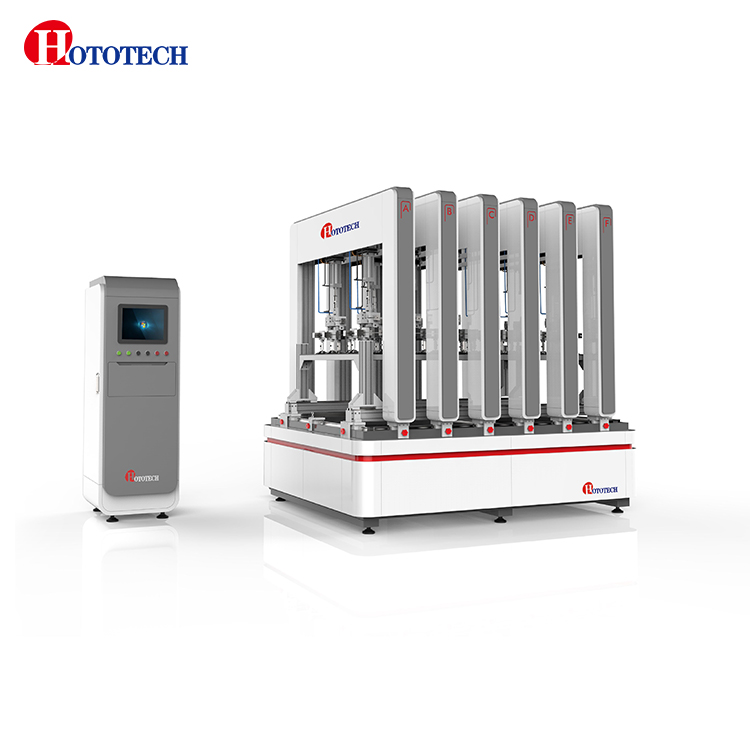
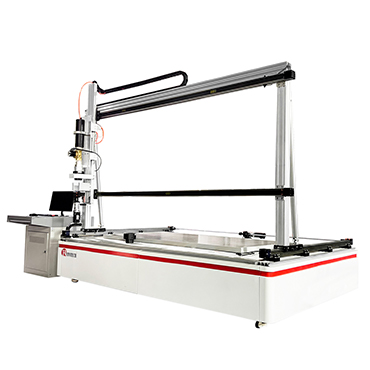
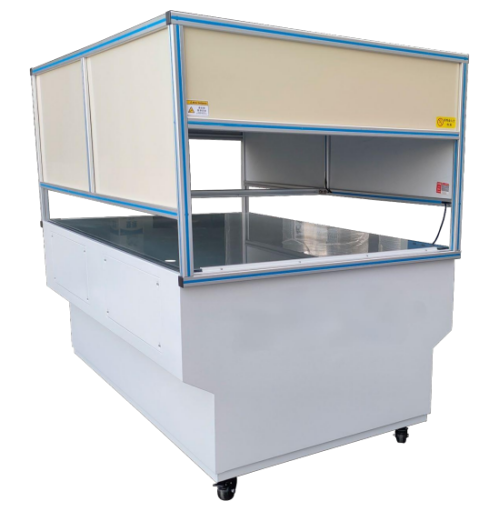
But how do industry experts evaluate a solar panel before it deploys into the field? The answer lies in professional solar panels test equipment: the Solar Module IV Tester.
In this technical guide, we will break down what this essential equipment does, how it performs a PV module test, and the industries that rely on it daily.
What is a Solar Module IV Tester and Why is it Used?
At its core, a Solar Module IV Tester is a high-precision electrical performance diagnostics system. Its primary purpose is to simulate natural sunlight under strictly controlled laboratory conditions and measure how a solar panel responds electrically.
Without proper testing, invisible defects like micro-cracks, high internal resistance, or manufacturing variances can cause massive power drops in the field. This tester acts as the ultimate quality gatekeeper, precisely measuring key electrical parameters:
1. Voc (Open-Circuit Voltage): The maximum voltage the module can output when no load isconnected.
2. Ise (Short-Circuit Current): The maximum current when the module is short-circuited.
3. MPP (Maximum Power Point): The exact point where the solar panel operates at its highestefficiency, delivering maximum wattage.
How Does a Professional PV Module Test Work?
A reliable PV module test requires a perfectly synchronized blend of optics, electronics, and smart automation. Here is how a high-end tester accomplishes this in milliseconds:
1. Simulating Perfect Sunlight (Optics)
Natural sunlight varies constantly due to clouds and atmosphere. To get consistent data, the testerutilizes an advanced pulsed xenon lamp light source system. It replicates the standard solarspectrum-known as AM1.5G-meeting rigid IEC 60904-9 international standards. It flashes a highlyuniform beam at 1000W/m, keeping light instability strictly under +2%.
2. Eliminating Lead Resistance (Data Acquisition)
To ensure that the wires connecting the tester to the solar panel do not skew the data, the systemuses 4-wire measurement technology (Kelvin sensing). Paired with a 16-bit 4-channel high-speedsynchronous acquisition card and an ultra-linear electronic load, it captures raw data with clinical precision.
3. Generating the I-V and P-V Curves
During a single flash pulse lasting just 10 to 30 milliseconds, the dedicated software sweeps theelectronic load across the solar panel. It tracks the current changing against voltage to plot the I-V(Current-Voltage) curve and P-V (Power-Voltage) curve instantly.
4. Smart Environment Compensation
Since solar cells change behavior based on how hot they get, the tester's software applies automatictemperature and irradiance compensation. It instantly recalculates the data back to Standard TestConditions (STC: 25° C), allowing engineers to compare panels fairly, regardless of ambient roomtemperature.
Target Applications and Industries
Who needs a professional solar panels test system? This high-precision equipment is widely adopted across multiple sectors where accuracy is non-negotiable:
PV Module Manufacturers
Used for end-of-line (EOL) quality control, power rating sorting, and final product certificationbefore shipping to clients worldwide.
Research & R&D Labs
Essential for analyzing new photovoltaic materials, testing cell encapsulation efficiency, anddeveloping next-generation high-efficiency panels.
Third-Party Inspection & Certification Bodies
Utilized for independent calibration, standard verification (such as IEC, CE, or UL standards),and dispute resolution regarding panel degradation.
EPC Contractors & Solar Farm Developers
Applied during batch sampling and incoming quality control (IQC) to ensure purchased panelsstrictly match the manufacturer's data sheets.
The Core Technology Driving Modern Testers
Modern manufacturing demands rugged, 24/7 reliability. Advanced testers leverage an industrial-grade Siemens PLC control core. This central hub coordinates the microsecond timing between the flash lamp, electronic loads, and data cards. It also monitors lamp lifespan in real-time, preventing data drift caused by aging light bulbs.
Furthermore, with global supply chains in mind, modern systems come equipped with bilingual interfaces (English/Chinese), 7-inch touchscreens, and automated barcode scanning for complete data traceability.
Conclusion
Conducting a rigorous PV module test is no longer just a compliance requirement—it is a competitive advantage. Investing in a high-precision Solar Module IV Tester ensures that every solar panel leaving your facility or arriving at your project site delivers exactly the power it promises.
Are you looking to upgrade your solar testing capabilities or set up a new quality control line? Contact our engineering team today for technical specifications and a customized quotation.
Unlocking the Hidden Flaws: How EL Testing Safeguards PV Module Quality
Ensuring Long-Term Reliability: A Guide to IEC 61215 Standard Testing Equipment for Photovoltaic Modules