Photovoltaic Module Mechanical Load Test Machine: Why Mechanical Load Testing Is Essential for Solar Panel Reliability

Photovoltaic Module Mechanical Load Test Machine: Why Mechanical Load Testing Is Essential for Solar Panel Reliability

To ensure long-term reliability and safety, manufacturers perform mechanical load testing before products enter the market. A Photovoltaic Module Mechanical Load Test Machine plays a critical role in verifying whether a solar panel can withstand wind pressure, snow loads, and other external forces without performance degradation.
In this article, we'll explain what a PV mechanical load test machine is, how it works, why it matters, and which international standards it follows.
What Is a Photovoltaic Module Mechanical Load Test Machine?
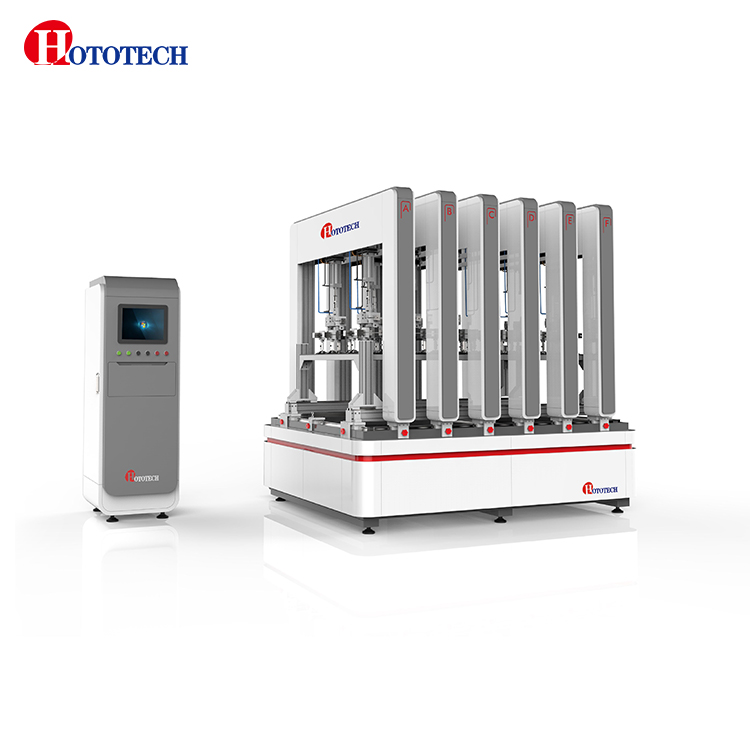
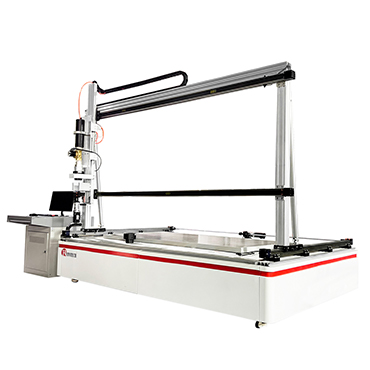
A PV Module Mechanical Load Test Machine is laboratory equipment designed to simulate the static and dynamic mechanical stresses that photovoltaic modules experience during transportation, installation, and decades of outdoor operation.
The machine applies precisely controlled positive pressure and negative suction loads across the entire surface of the solar module to evaluate its structural integrity.
Typical tests include:
- Static mechanical load test
- Dynamic mechanical load test
- Wind load simulation
- Snow load simulation
- Frame deformation evaluation
- Glass strength verification
- Cell crack resistance testing
The purpose is to determine whether the module can maintain electrical performance and structural stability after repeated mechanical loading. Mechanical load testing is a mandatory part of PV module qualification under international standards such as IEC 61215-2:2021 MQT16 (Static Mechanical Load Test) and MQT20 (Dynamic Mechanical Load Test).
Why Is Mechanical Load Testing Important?
Solar panels are expected to operate reliably for more than 25 years. During this period, they face various environmental loads.
Heavy Snow
Snow accumulation can generate thousands of Pascals (Pa) of pressure on the module surface. In cold climates, prolonged snow loading may lead to:
- Glass breakage
- Cell microcracks
- Frame deformation
- Delamination
IEC mechanical load tests commonly evaluate modules under 2400 Pa, while higher snow-load scenarios may require 5400 Pa or more.
Strong Wind
High winds create both positive pressure and negative suction forces. Continuous wind loading can loosen frames, damage cells, or reduce module reliability over time.
Mechanical load testing simulates these conditions to verify that the module can withstand years of outdoor exposure.
Transportation and Installation
Modules also experience mechanical stress during shipping, handling, and installation. Mechanical load testing helps manufacturers identify structural weaknesses before products reach customers.
How Does a Mechanical Load Test Machine Work?
Modern PV mechanical load testing systems use multiple independently controlled actuators or suction cups distributed across the module surface.
The testing process generally includes:
Step 1: Install the Module
The photovoltaic module is mounted according to the installation method specified by IEC standards.
Step 2: Apply Mechanical Load
The equipment gradually applies a uniform pressure or suction force.
Typical loading levels include:
- ±2400 Pa
- +5400 Pa
- Customized higher loads for special applications
Step 3: Hold the Load
The pressure is maintained for the required duration to simulate prolonged environmental stress.
Step 4: Repeat Loading Cycles
For dynamic testing, the machine repeatedly applies loading and unloading cycles to simulate long-term wind fatigue.
Step 5: Inspect the Module
After testing, the module is evaluated using:
- Visual inspection
- Electroluminescence (EL) testing
- Insulation testing
- I-V performance testing
- Power degradation analysis
Any hidden cracks or electrical failures can then be detected.
International Standards Supported
A high-quality PV Mechanical Load Test Machine typically complies with:
- IEC 61215-2:2021 MQT16 Static Mechanical Load Test
- IEC 61215-2:2021 MQT20 Dynamic Mechanical Load Test
- IEC 62782 Dynamic Mechanical Load Test
- UL 1703 Mechanical Load Test (legacy projects)
These standards define loading methods, pressure levels, mounting conditions, and post-test performance requirements to ensure reliable evaluation of photovoltaic modules.
Key Features of a Modern Mechanical Load Test Machine
An advanced system typically includes:
- Fully automatic PLC or computer control
- Programmable pressure profiles
- Positive and negative pressure simulation
- Uniform pressure distribution
- Real-time pressure monitoring
- Automatic data acquisition
- Safety protection system
- Support for large-format PV modules
- Customizable testing programs
Many laboratories also integrate the system with EL testers and solar simulators to perform comprehensive reliability evaluations.
Industries That Use Mechanical Load Testing
Mechanical load testing equipment is widely used by:
- Solar module manufacturers
- PV research institutes
- Third-party certification laboratories
- University research centers
- Quality control laboratories
- Renewable energy testing organizations
It is an essential tool for product development, certification, and production quality assurance.
How to Choose the Right PV Mechanical Load Test Machine
When selecting equipment, consider the following factors:
Maximum Module Size
Ensure compatibility with today's large-format photovoltaic modules.
Maximum Test Pressure
Choose a system capable of meeting current and future certification requirements.
Pressure Uniformity
Uniform loading is essential for accurate and repeatable results.
Automation Level
Automated systems reduce operator error and improve testing efficiency.
Standard Compliance
Verify that the equipment fully supports the latest IEC and UL testing procedures.
Data Management
Comprehensive test reports simplify certification and quality documentation.
Conclusion
As photovoltaic modules become larger, thinner, and more powerful, ensuring their mechanical reliability has never been more important. A Photovoltaic Module Mechanical Load Test Machine enables manufacturers to verify that their products can withstand wind, snow, transportation, and long-term environmental stress while maintaining electrical performance.
Whether for product development, certification, or quality control, mechanical load testing remains one of the most critical evaluations in modern PV manufacturing. Investing in advanced testing equipment helps manufacturers improve product durability, reduce field failures, and meet international quality standards with confidence.
PV Module Breakage Test Machine: Ensuring Solar Panel Mechanical Reliability
PV Module Hail Impact Testing Machine: Why Is It Essential for Solar Panel Reliability Testing?