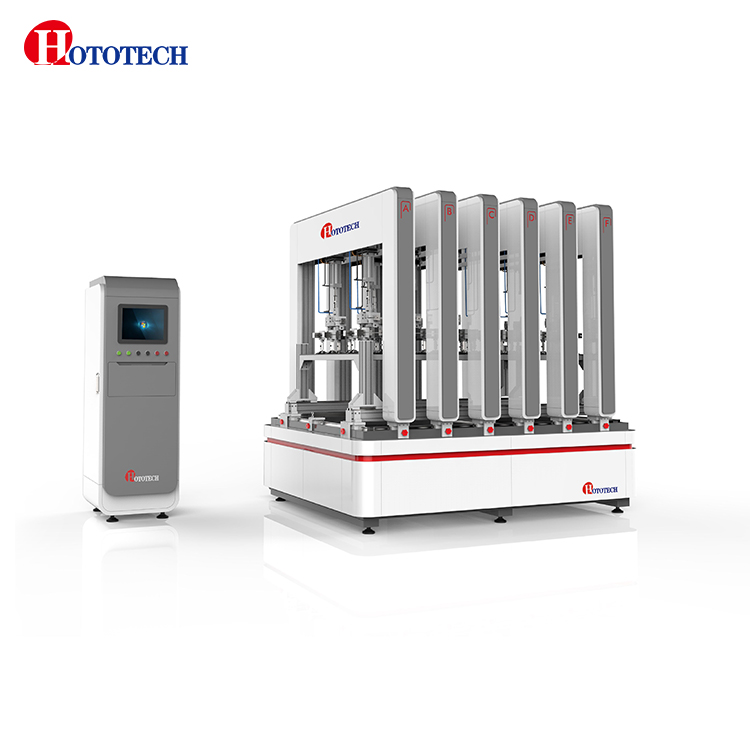
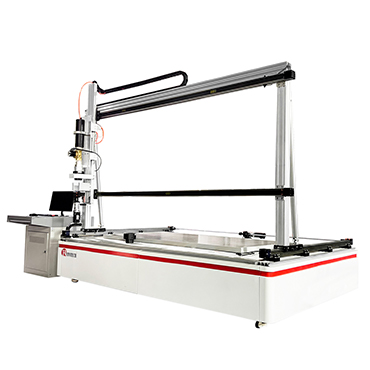
Wet Leakage Current Test Equipment for Solar Modules: Ensuring PV Safety and Reliability
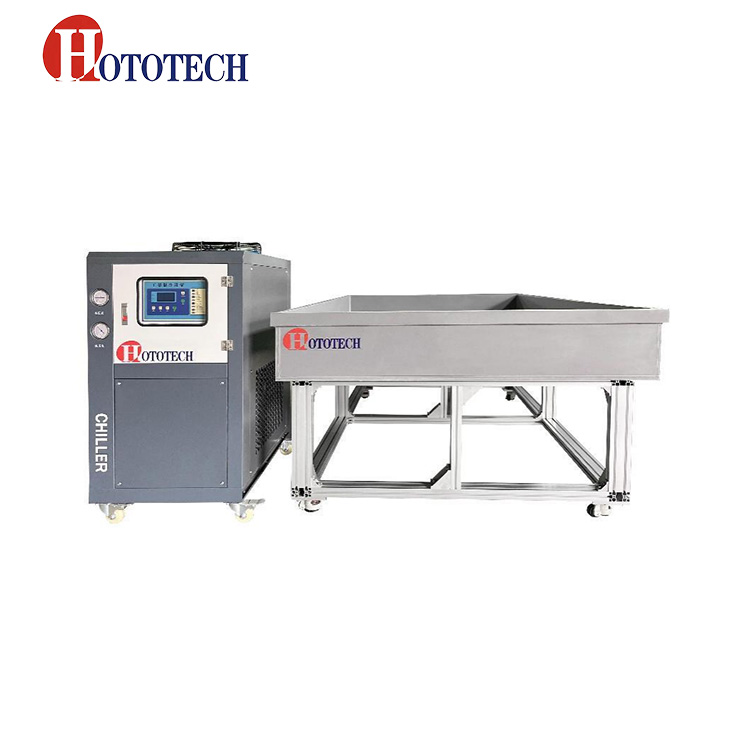
Wet Leakage Current Test Equipment for Solar Modules: Ensuring PV Safety and Reliability

A Wet Leakage Current Test Equipment is specially designed to evaluate the insulation performance of solar modules under wet environmental conditions, helping manufacturers ensure product safety and comply with international standards.
What Is a Wet Leakage Current Test?
A wet leakage current test is an electrical safety test used to measure the leakage current flowing from a photovoltaic module to ground when the module surface is covered with a conductive liquid.
In real outdoor environments, solar panels are frequently exposed to rain, dew, humidity, and condensation. If the insulation performance of a module is inadequate, leakage current may occur, posing safety risks and reducing system reliability.
The test simulates these conditions in a laboratory environment to verify that the module can operate safely under wet conditions.
Why Is Wet Leakage Testing Important?
Poor insulation performance may lead to:
- Electrical safety hazards
- Risk of electric shock
- Reduced system efficiency
- Premature module failure
- Increased maintenance costs
By performing wet leakage current testing, manufacturers can identify insulation defects early and improve overall product quality.
How Does Wet Leakage Current Testing Work?
During the test, the photovoltaic module is partially or completely immersed in a conductive solution or sprayed with a specified wetting liquid.
A high voltage is then applied between the module terminals and the conductive liquid. The system measures the leakage current or insulation resistance to determine whether the module meets the specified safety requirements.
The testing process typically includes:
- Preparing the conductive solution according to standard requirements.
- Immersing or wetting the solar module surface.
- Applying the specified test voltage.
- Measuring leakage current and insulation resistance.
- Evaluating the test results against acceptance criteria.
International Standards for Wet Leakage Testing
Wet leakage current tests are commonly performed according to international photovoltaic standards, including:
- IEC 61215
- IEC 61730
- UL 1703
- UL 61730
These standards define testing procedures, voltage requirements, environmental conditions, and pass/fail criteria for photovoltaic modules.
Compliance with these standards is essential for obtaining international certification and market access.
Key Features of Wet Leakage Current Test Equipment
Modern photovoltaic wet leakage testing systems typically offer:
- High-voltage output with precise control
- Automatic leakage current measurement
- PLC or computer-based operation
- Real-time data acquisition and recording
- Safety interlock protection system
- Automatic pass/fail judgment
- Compliance with IEC and UL standards
These features ensure accurate, repeatable, and efficient testing.
Applications of Wet Leakage Current Test Equipment
Wet leakage current test systems are widely used in:
- Solar panel manufacturing plants
- Photovoltaic certification laboratories
- Research and development centers
- Quality control laboratories
- Universities and testing institutes
The equipment is suitable for testing crystalline silicon modules, thin-film solar panels, and other photovoltaic products.
Conclusion
The Wet Leakage Current Test is an essential safety evaluation for photovoltaic modules. By simulating wet operating conditions, manufacturers can verify insulation integrity, improve product reliability, and ensure compliance with international standards such as IEC 61215 and IEC 61730.
As the demand for high-quality solar products continues to rise, Wet Leakage Current Test Equipment will remain a vital tool in photovoltaic quality assurance and certification.
PV Module Breakage Tester: Ensuring Solar Module Reliability According to IEC 61215
Unlocking the Hidden Flaws: How EL Testing Safeguards PV Module Quality