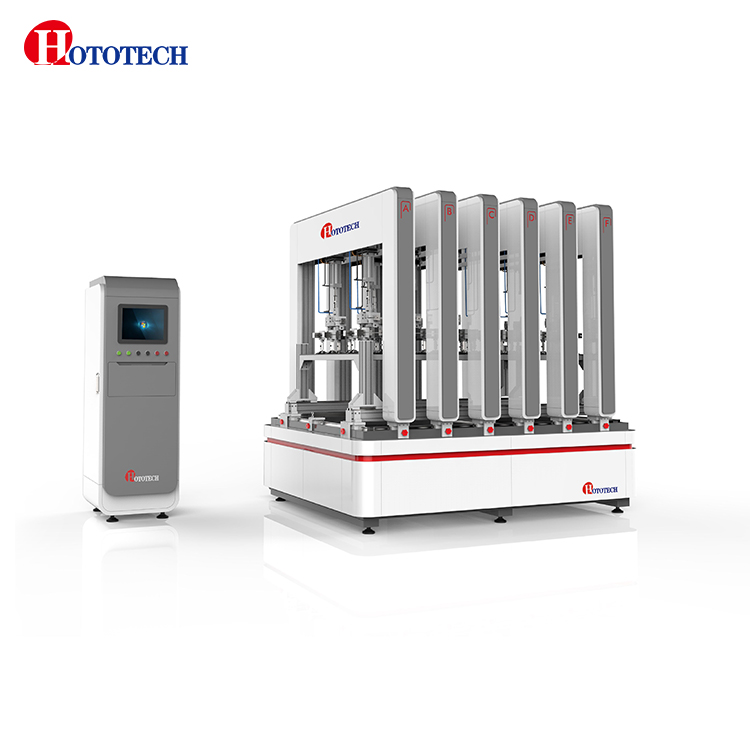
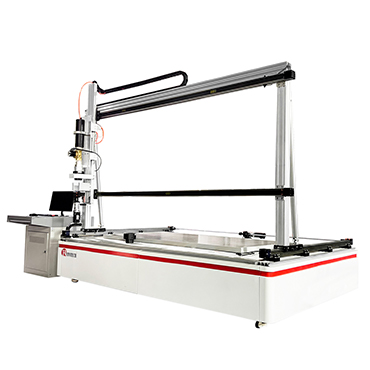
PV Module Breakage Test Machine: Ensuring Solar Panel Mechanical Reliability

PV Module Breakage Test Machine: Ensuring Solar Panel Mechanical Reliability

Introduction
With the rapid development of solar energy, photovoltaic (PV) module reliability has become increasingly important for solar manufacturers, testing laboratories, and research institutions.
During long-term outdoor operation, solar panels are exposed to various mechanical stresses, including wind pressure, snow load, transportation impact, and installation forces. These stresses may cause glass breakage, cell cracks, power loss, and other reliability issues.
A PV Module Breakage Test Machine is designed to evaluate the mechanical strength and durability of photovoltaic modules, helping manufacturers ensure product quality and meet international testing standards.
What Is a PV Module Breakage Test Machine?
A PV Module Breakage Test Machine, also known as a Solar Panel Breakage Test Machine, is professional photovoltaic module testing equipment used to simulate mechanical stress on solar panels.
The equipment applies controlled pressure or mechanical load to PV modules to evaluate their ability to withstand external forces.
The main testing purposes include:
- Checking glass breakage resistance
- Detecting potential cell cracks
- Evaluating frame strength
- Verifying module structural stability
- Improving long-term solar panel reliability
By performing mechanical reliability tests, manufacturers can identify potential defects before mass production and reduce failure risks during field operation.
Why Is PV Module Mechanical Load Testing Important?
Solar modules are usually designed for more than 25 years of outdoor service. However, mechanical stress during installation and operation can affect their performance.
Common causes of PV module damage include:
Wind and Snow Load
Strong wind and heavy snow can create pressure on solar modules, especially in large-scale photovoltaic power plants.
Transportation and Installation Stress
Improper handling may cause invisible micro-cracks inside solar cells, which can reduce power output over time.
Environmental Conditions
Temperature changes and long-term outdoor exposure may create additional mechanical stress on module materials.
Therefore, PV module mechanical load testing is an essential step for improving solar panel durability and reliability.
PV Module Breakage Test According to IEC 61215
The IEC 61215 standard is one of the most important international standards for photovoltaic module qualification and reliability testing.
During IEC 61215 testing, PV modules are evaluated under simulated environmental conditions to verify their mechanical and electrical performance.
A professional IEC 61215 testing equipment system helps manufacturers perform reliable mechanical load tests and confirm that PV modules can withstand expected operating conditions.
How Does a Solar Panel Breakage Test Machine Work?
A typical solar panel breakage test machine includes a loading system, control system, testing platform, and data recording system.
The testing process usually includes:
1. Module Installation
The PV module is fixed on the testing platform according to the required test method.
2. Apply Mechanical Load
The machine applies a controlled force to simulate external pressure, such as wind or snow loading.
3. Monitor Test Results
During testing, engineers check:
- Module deformation
- Glass damage
- Visible cracks
- Structural changes
4. Performance Verification
After mechanical testing, PV modules may be inspected by other systems, such as:
- EL Tester
- IV Tester
- Insulation Resistance Tester
This helps identify hidden damage and evaluate overall module performance.
Key Features of Professional Photovoltaic Module Testing Equipment
A high-quality PV Module Breakage Test Machine should provide:
Accurate Load Control
Precise force control ensures repeatable and reliable testing results.
Large Testing Area
Modern solar modules are becoming larger, so testing equipment should support different module sizes.
Stable Mechanical Structure
A strong frame design improves testing accuracy and equipment lifetime.
Automatic Data Recording
Advanced systems can record testing force, time, cycles, and results for quality analysis.
Applications of PV Module Breakage Test Machine
PV mechanical testing equipment is widely used in:
Solar Panel Manufacturers
For quality control, product development, and production verification.
PV Testing Laboratories
For certification testing and reliability research.
Universities and Research Centers
For studying new photovoltaic materials and module structures.
Benefits of Solar Panel Reliability Testing
Using a professional PV Module Breakage Test Machine provides several advantages:
- Improve solar module durability
- Reduce product failure rates
- Support IEC certification requirements
- Optimize module design
- Increase customer confidence
Mechanical reliability testing helps manufacturers produce safer and more durable photovoltaic products for global markets.
Conclusion
A PV Module Breakage Test Machine is an important tool for evaluating solar panel mechanical strength and long-term reliability.
With the continuous development of larger and more powerful photovoltaic modules, reliable photovoltaic module testing equipment has become essential for manufacturers and research organizations.
By performing professional solar panel breakage testing and PV module mechanical load testing, companies can improve product quality, meet international standards, and ensure better performance of solar energy systems.
PV Module IV Tester: Complete Guide to Solar Panel I-V Curve Testing
Photovoltaic Module Mechanical Load Test Machine: Why Mechanical Load Testing Is Essential for Solar Panel Reliability