PV Module Mechanical Load Test: How to Test Solar Panel Mechanical Strength
PV Module Mechanical Load Test: How to Test Solar Panel Mechanical Strength

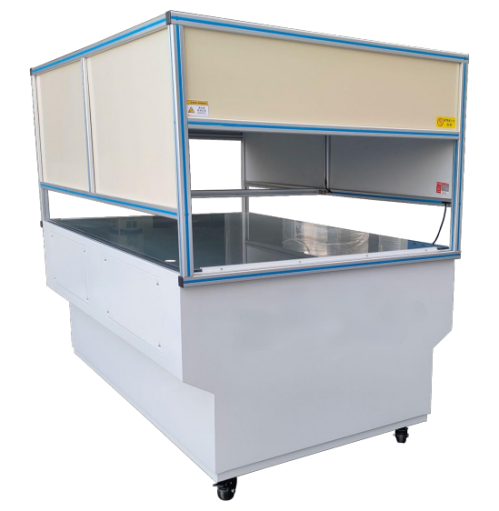
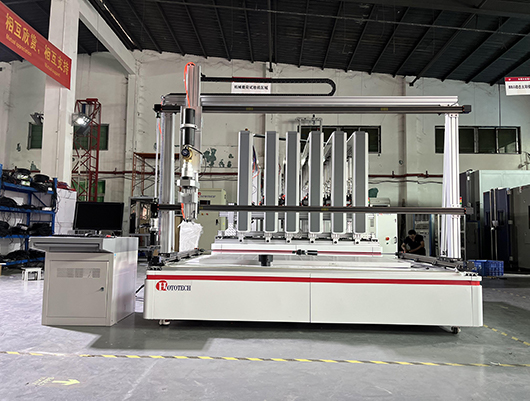
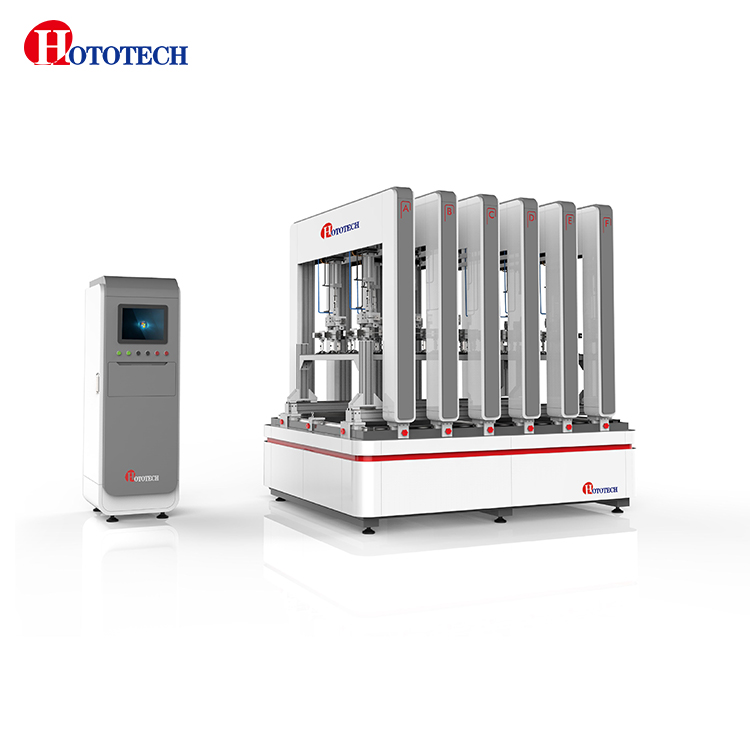
A PV Module Mechanical Load Tester is laboratory equipment used to evaluate the mechanical strength and durability of solar panels by applying controlled loads to the module surface.
Mechanical load testing is an important part of photovoltaic module reliability testing and is widely used by solar panel manufacturers, testing laboratories, and certification organizations.
What Is a PV Module Mechanical Load Test?
A PV module mechanical load test evaluates how a solar panel responds to external mechanical pressure.
During the test, a controlled load is applied to the front and rear surfaces of the PV module. The module is then inspected for mechanical damage and changes in electrical performance.
The test can help identify potential problems such as:
-
Glass cracking
-
Solar cell cracks
-
Frame deformation
-
Delamination
-
Backsheet damage
-
Soldering or interconnection failure
-
Electrical performance degradation
The purpose is to determine whether the PV module can withstand mechanical loads that may occur during outdoor operation.
Why Is Mechanical Load Testing Important for Solar Panels?
PV modules are normally installed on rooftops, ground-mounted systems, solar farms, and other outdoor structures.
During their service life, modules can experience mechanical loads caused by:
-
Strong wind
-
Snow accumulation
-
Ice
-
Installation forces
-
Transportation and handling
-
Structural movement
-
Environmental conditions
If a module does not have sufficient mechanical strength, excessive loading can cause cell cracks or other structural damage.
Therefore, solar panel mechanical load testing is an important method for evaluating PV module reliability before mass production and field installation.
IEC 61215 Mechanical Load Test
The IEC 61215 series provides requirements and test methods for the design qualification and type approval of terrestrial photovoltaic modules.
Mechanical load testing is covered by MQT 16 – Static Mechanical Load Test.
The test applies a specified mechanical load to the PV module under controlled laboratory conditions. The module may be tested repeatedly to evaluate its ability to withstand mechanical stress.
The exact test conditions, load levels, number of cycles, test configuration, and acceptance criteria should always be determined according to the applicable edition of the IEC 61215 standard and the specific module design.
How Does a PV Module Mechanical Load Tester Work?
A typical PV Module Mechanical Load Tester consists of several major components.
Load Application System
The loading system applies a controlled force to the PV module.
Depending on the equipment design, pneumatic cylinders, hydraulic cylinders, or other actuator systems may be used to generate and control the required load.
Module Fixture
The PV module is installed on a rigid support structure.
The fixture should reproduce the required mounting conditions and provide stable support during testing.
Load Distribution System
A loading pad, loading plate, suction cups, or other loading structures can be used to distribute the applied force over the specified area.
Uniform load distribution is important for obtaining repeatable results.
Control System
A computerized control system can control parameters such as:
-
Applied load
-
Loading time
-
Number of cycles
-
Loading direction
-
Test sequence
The system can also record test data for traceability.
Safety Protection
Because large PV modules can be subjected to significant forces, the equipment should include appropriate safety protection, emergency stop functions, and mechanical safeguards.
What Is Tested During a Mechanical Load Test?
After mechanical loading, the PV module may be evaluated through several inspection methods.
Visual Inspection
The module is checked for visible defects such as:
-
Glass cracks
-
Frame deformation
-
Delamination
-
Backsheet damage
-
Other structural damage
Electroluminescence Testing
EL testing is commonly used to identify solar cell cracks and other internal defects.
Some cell cracks may not be visible from the outside, making EL inspection useful for evaluating mechanical-load damage.
IV Testing
An IV curve test can be performed before and after mechanical loading.
The comparison can show whether mechanical stress has affected parameters such as:
-
Maximum power (Pmax)
-
Open-circuit voltage (Voc)
-
Short-circuit current (Isc)
-
Fill factor (FF)
Static Mechanical Load vs Dynamic Mechanical Load
It is important to distinguish between static and dynamic mechanical testing.
Static Mechanical Load Test
A controlled mechanical force is applied to the PV module for a specified period or number of cycles.
This is commonly associated with the mechanical load qualification requirements of IEC 61215.
Dynamic Mechanical Testing
The load changes rapidly or continuously during testing to simulate specific dynamic conditions.
The appropriate test method depends on the applicable standard and testing objective.
Mechanical Load Testing for Different PV Modules
Modern PV modules are available in many designs, including:
-
Monocrystalline silicon modules
-
Bifacial solar panels
-
Large-format PV modules
-
Glass-glass modules
-
Flexible solar modules
-
Thin-film modules
As module dimensions and designs continue to evolve, mechanical testing equipment must be able to accommodate different module sizes and mounting configurations.
Large-format modules are particularly important because their larger surface area can influence mechanical deformation and load distribution.
How to Choose a PV Module Mechanical Load Tester
When selecting a Solar Panel Mechanical Load Tester, several factors should be considered.
Maximum Test Load
The equipment should provide sufficient load capacity for the intended test standard and module type.
Test Area
The working area should accommodate the dimensions of the largest PV modules that need to be tested.
Load Uniformity
The loading system should provide stable and repeatable force distribution across the specified test area.
Load Control Accuracy
Accurate force control is essential for reliable and reproducible testing.
Automatic Test Cycles
Automatic control of loading and unloading cycles can improve testing efficiency and reduce operator error.
Data Recording
Automatic recording of force, displacement, cycle number, and other test parameters can improve laboratory traceability.
Applications of PV Module Mechanical Load Testers
PV module mechanical load testing equipment is widely used in:
-
Solar panel manufacturing
-
PV module R&D
-
Quality control
-
Third-party testing laboratories
-
Certification laboratories
-
University research
-
Solar energy research institutes
It can be used during product development, design verification, quality control, and reliability testing.
Conclusion
The PV Module Mechanical Load Test is an important method for evaluating the structural reliability of solar panels.
By applying controlled mechanical loads and inspecting the module through visual inspection, EL testing, and IV testing, manufacturers can identify potential structural and electrical problems before products are deployed in the field.
A reliable PV Module Mechanical Load Tester should provide accurate load control, uniform force distribution, repeatable test cycles, sufficient working area, and comprehensive data recording.
For PV manufacturers and testing laboratories, mechanical load testing is an important step toward improving the long-term reliability and durability of solar modules.
PV Module IV Tester: Complete Guide to Solar Panel I-V Curve Testing