Ensuring Long-Term Reliability: A Guide to IEC 61215 Standard Testing Equipment for Photovoltaic Modules
Ensuring Long-Term Reliability: A Guide to IEC 61215 Standard Testing Equipment for Photovoltaic Modules
As the global demand for clean energy intensifies, the quality and durability of solar panels test protocols have never been more critical. For manufacturers and certification laboratories, compliance with international standards is the gateway to global markets.
Among these, IEC 61215 stands as the definitive global benchmark for the design qualification and type approval of terrestrial photovoltaic modules (both crystalline silicon and thin-film).
But what exactly does this standard require, and what specialized PV module testing equipment do you need to ensure compliance? Let’s dive into the core testing sequences.
What is the IEC 61215 Standard?
The IEC 61215 standard evaluates all factors that contribute to the aging of photovoltaic modules, simulating harsh environmental conditions they will encounter during their 25+ year lifespan. To pass IEC 61215, a PV module must undergo a rigorous sequence of electrical, mechanical, and thermal stress tests. The goal is to ensure the module can withstand prolonged outdoor exposure without significant power degradation or safety hazards.
Essential IEC 61215 Testing Equipment Categories
To meet the strict criteria of IEC 61215, manufacturers must utilize highly precise, automated laboratory equipment. Here are the core testing systems required:
1. Electrical Performance & EL Defect Detection

-
Solar Simulator (I-V Tester): Used to measure the maximum power, open-circuit voltage, and short-circuit current under Standard Test Conditions (STC). High-precision Class AAA solar simulators are required to guarantee measurement accuracy, ensuring that power degradation remains below 5% after environmental stress.
-
Electroluminescence (EL) Defect Tester: Acting as an "X-ray" for solar panels test, EL imaging detects hidden micro-cracks, broken grid lines, and soldering defects that are invisible to the naked eye but catastrophic to long-term performance.
2. Environmental Simulation Chambers
Environmental chambers subject the photovoltaic modules to accelerated thermal and moisture stress to evaluate their long-term structural and material integrity.

-
Thermal Cycling Chamber: Tests the module's ability to withstand thermal mismatch, fatigue, and stresses caused by repeated temperature changes.
-
Damp Heat Test Chamber: Evaluates the module's resistance to long-term moisture penetration, delamination, and corrosion.
-
Humidity Freeze Chamber: Combines high humidity with freezing temperatures to test the effects of frost and moisture delamination on the module's edges and junction box.
3. Mechanical & Structural Reliability Equipment
Solar panels must endure physical loads such as heavy snow, high winds, and severe hail storms.

-
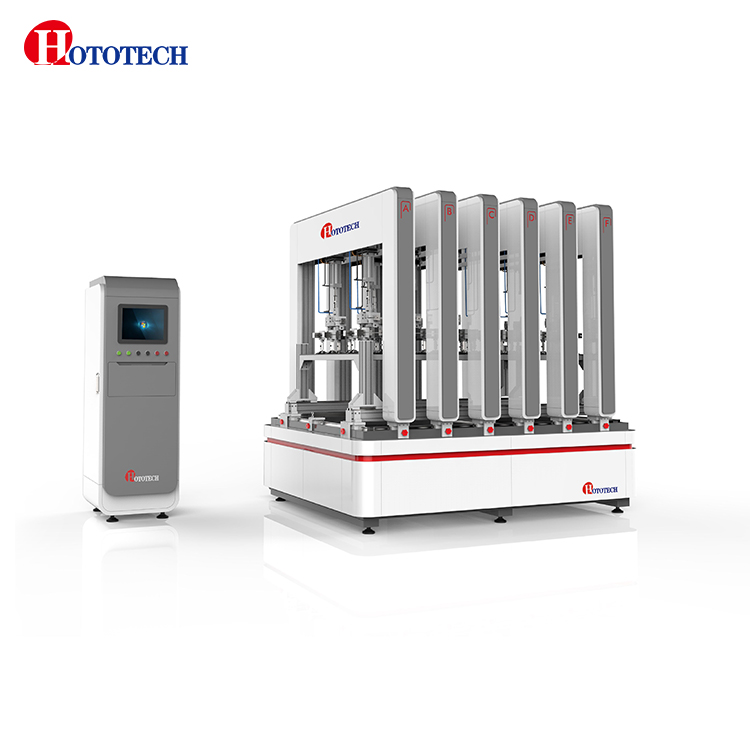
Mechanical Load Tester: Applies static or dynamic pressure to both the front and back of the module (typically up to 2400 Pa or 5400 Pa) to simulate wind and snow loads, ensuring the structural integrity of the frame, glass, and cells.
-
Hail Impact Tester: Launches real ice balls of specific diameters (e.g., 25 mm) at designated velocities onto the module surface using a pneumatic launcher to verify the impact resistance of the tempered glass.
4. Safety & Insulation Testing
-
Insulation Resistance & Wet Leakage Testers: Evaluates whether the module’s insulation is sufficient against high voltages. It ensures the system remains safe for personnel and prevents power leakage even under wet operating conditions, such as heavy rain or dew.
Why Choosing the Right Equipment Manufacturer Matters
In the highly competitive solar market, failing a certification test can delay product launches by months and cost thousands of dollars. Investing in high-quality, compliant testing equipment means:
-
Guaranteed Compliance: Accurate alignment with the latest IEC 61215:2021 standard requirements.
-
Data Integrity: Reliable data logging for R&D optimization, warranty support, and quality control.
-
Durability: Heavy-duty laboratory equipment designed for 24/7 industrial testing cycles.
As a dedicated manufacturer of photovoltaic modules testing equipment, we provide turnkey laboratory solutions tailored to your production capacity and R&D needs.
Essential Guide to PV Module Testing: How a Solar Module IV Tester Ensures Peak Performance