
The Ultimate Bike Helmet Test: Unveiling Safety and Style on Two Wheels
author: Heather Hu
2025-11-14
The Ultimate Bike Helmet Test: Unveiling Safety and Style on Two Wheels

Introduction
What is a Bike Helmet?
A bike helmet is a specialized head-protection device designed specifically for cyclists. It is a crucial piece of safety equipment that forms a protective barrier around the head. Usually composed of a hard outer shell, often made of materials like polycarbonate for its strength and impact-resistance, and a shock-absorbing inner liner, commonly made of expanded polystyrene (EPS) or other similar foams. The outer shell is responsible for dispersing the force of an impact over a wider area, while the inner liner cushions the head by absorbing and reducing the energy transferred during a collision. Additionally, bike helmets come with a secure retention system including straps and buckles to ensure the helmet stays firmly in place on the rider's head during the ride.
Why Bike Helmet Tests Matter
Bike helmet tests are the unshakable cornerstone of cyclists' safety, and their importance can never be overstated. The head, as the most vulnerable and vital part of the human body, faces irreversible risks once injured in cycling accidents. Statistics from global safety organizations show that properly tested and certified bike helmets can reduce the risk of fatal head injuries by up to 69% and serious brain injuries by 67%. Behind these reassuring figures lies the rigorous screening of helmet performance through scientific tests. And the accuracy and authority of these tests largely depend on advanced testing equipment—such as the professional solutions provided by Hubei Hongtu Instruments, which ensures every qualified helmet meets the highest safety benchmarks before reaching cyclists.
Secondly, bike helmet tests are the "quality filter" in the market, and reliable testing equipment is the core of this filter. In the booming cycling industry, numerous helmet brands emerge, but product quality varies greatly. Without standardized and precise testing, substandard helmets with fragile shells, ineffective liners, or loose straps may flood the market, becoming "safety hazards" rather than "protective shields" for cyclists. Hubei Hongtu Instruments has long been committed to developing and supplying high-precision testing equipment for the helmet industry. Its equipment strictly abides by international standards such as CPSC, EN 1078, and AS/NZS 2063, ensuring that every test data truly reflects the helmet's performance. This not only helps regulatory authorities and third-party testing institutions identify unqualified products but also urges manufacturers to improve production processes, pushing the entire industry toward higher quality.
Moreover, bike helmet tests promote industry standardization, and advanced testing equipment provides the technical support for standard implementation. Clear testing criteria need to be matched with professional equipment to be effectively implemented. Hubei Hongtu Instruments integrates cutting-edge sensor technology and intelligent data analysis into its products, making complex test indicators—such as impact acceleration, strap tensile strength, and penetration resistance—quantifiable and comparable. This consistency of test results enables manufacturers, consumers, and regulators to reach a unified understanding of "safe helmets", builds trust in the cycling safety product market, and lays a solid foundation for the healthy development of the entire industry.
The Purpose of a Bike Helmet
Protecting Your Head
The primary purpose of a bike helmet is to protect your head from severe injuries during a fall or collision. When a cyclist experiences an impact, whether it's from hitting an obstacle, being involved in a traffic accident, or simply losing balance and falling, the helmet plays a crucial role in safeguarding the head.
The hard outer shell of the helmet is designed to disperse the impact force. When an object strikes the helmet, the outer shell spreads the force over a larger area instead of allowing it to concentrate on a single point. This is similar to how a large umbrella spreads raindrops over its surface rather than having all the water hit one small spot. For example, if a cyclist hits a curb and their head strikes the ground, the outer shell of the helmet will start to break down the force of the impact.
Beneath the outer shell, the shock-absorbing inner liner, often made of EPS, is responsible for absorbing and reducing energy. It acts like a cushion, deforming upon impact to slow down the motion of the head and reduce the acceleration forces acting on the brain. Think of it as a shock-absorber in a car; when the car hits a pothole, the shock-absorber compresses to soften the jolt. In the case of a bike helmet, the inner liner compresses, extending the time over which the impact force is applied to the head. According to physics, the longer the time over which a force is applied, the lower the peak force experienced. This significantly reduces the risk of skull fractures, brain contusions, and other life-threatening head injuries.
Legal Requirements
The legal requirements regarding bike helmet use vary from region to region. In many countries and states, wearing a bike helmet is mandatory for all cyclists, especially for children. For instance, in the United States, some states have laws that require all cyclists under a certain age, typically 18, to wear helmets. In California, it is illegal for anyone under 18 to ride a bike without a properly fitted helmet.
In the United Kingdom, there is no specific law that mandates adults to wear bike helmets. However, it is highly recommended by the government and safety organizations. On the other hand, for children, it is a common practice for schools and parents to ensure they wear helmets when cycling, and in some local areas, there may be by - laws or regulations promoting or enforcing helmet use among young cyclists.
In Australia, helmet laws are more comprehensive. All cyclists, regardless of age, are required to wear an approved bicycle helmet while riding on public roads, bike paths, or any other public area where cycling is permitted. Failure to comply can result in fines.
It's important to abide by these legal requirements not only to avoid potential fines but, more importantly, to ensure personal safety. These laws are in place because of the overwhelming evidence of the effectiveness of bike helmets in preventing serious head injuries. By following the regulations, cyclists can protect themselves and set a good example for others, especially young riders who are more vulnerable to head injuries.
Types of Bike Helmets
Road Bike Helmets
Road bike helmets are specifically designed for cyclists who mainly ride on smooth, paved roads. One of their most prominent features is their lightweight design. These helmets are often made with high-tech materials that reduce weight without sacrificing safety. For example, many road bike helmets use carbon-fiber reinforced plastics in their construction. Carbon-fiber is incredibly strong yet lightweight, making it an ideal material for a helmet that cyclists will be wearing for long periods. The average weight of a high-quality road bike helmet can be as low as 200-300 grams, which is significantly lighter than other types of bike helmets. This lightness is crucial for long-distance road cyclists as it reduces fatigue on the neck and head during extended rides.
Another key characteristic of road bike helmets is their excellent ventilation. They are designed with a large number of vents, sometimes up to 30 or more. These vents are strategically placed on the top, front, and back of the helmet to create a natural airflow. When a cyclist is riding at speed on the road, air enters through the front vents, passes over the head, and exits through the rear vents. This continuous flow of air helps to keep the head cool and dry, even during intense rides on hot days. Some high-end road bike helmets even have adjustable vents, allowing cyclists to control the amount of air circulation based on the weather conditions.
The shape of road bike helmets is also optimized for aerodynamics. They typically have a sleek, streamlined profile that reduces wind resistance. This is important for road cyclists who often aim to achieve high speeds. A helmet with good aerodynamics can help a cyclist save energy and go faster with less effort. For instance, helmets with a teardrop-shaped design are common in road cycling. This shape allows air to flow smoothly over the helmet, minimizing turbulence and drag. Road bike helmets are ideal for long-distance road rides, road races, and triathlons, where speed, comfort, and reduced wind resistance are essential.
Mountain Bike Helmets
Mountain bike helmets are engineered to handle the unique challenges of off-road cycling. One of the most notable features is their sturdy outer shell. Since mountain biking often involves riding over rough terrains, hitting rocks, tree roots, or branches, and potentially crashing at higher speeds than on-road cycling, the helmet needs to be able to withstand significant impacts. The outer shell of a mountain bike helmet is usually made of a thick and durable polycarbonate material. This material is highly impact-resistant and can effectively protect the head from sharp objects and hard impacts.
In addition to the strong shell, mountain bike helmets offer better lateral protection. The design of these helmets typically extends further down the sides of the head compared to road bike helmets. This extra coverage helps protect the temples and the sides of the head, which are more vulnerable in a fall on uneven terrain. Some mountain bike helmets also have an adjustable chin guard, especially those designed for downhill and enduro mountain biking. The chin guard provides additional protection for the lower face and jaw area, which can be at risk during high-speed descents or when navigating through technical sections of a trail.
Another important aspect of mountain bike helmets is their stability. They are designed to stay firmly in place on the head, even during rough rides with a lot of jolting and shaking. To achieve this, mountain bike helmets often have a more secure retention system. This may include wider straps and a more adjustable fit system, such as a dial-based adjustment mechanism at the back of the helmet. The dial allows the cyclist to fine-tune the fit, ensuring that the helmet is snug but not too tight. Mountain bike helmets are essential for any type of off-road cycling, from cross-country trails to more extreme downhill and enduro riding, where the risk of head injury due to the challenging terrain is high.
Commuter Helmets
Commuter helmets are designed with the needs of daily urban cyclists in mind, combining practicality and stylishness. One of the key features of commuter helmets is their portability. Many commuter helmets are designed to be easily carried around when not in use. Some have a foldable design, which allows the helmet to be folded into a smaller size, making it convenient to store in a backpack or a bike basket. This is especially useful for cyclists who use public transportation or need to walk with their helmet after cycling.
In terms of safety features, commuter helmets still meet the necessary safety standards. They have a reliable outer shell and an impact-absorbing inner liner, just like other types of bike helmets. However, they also often come with additional features to enhance safety in urban environments. For example, many commuter helmets are equipped with reflective strips or built-in warning lights. These features increase the visibility of the cyclist, especially in low-light conditions such as dawn, dusk, or at night. The reflective strips reflect light from car headlights, making the cyclist more visible to motorists, while the built-in lights can be turned on to actively signal the cyclist's presence.
Commuter helmets also tend to focus on comfort for short-to-medium-distance rides. They often have a soft and breathable inner lining that can absorb sweat and keep the head comfortable during the ride. The straps are designed to be adjustable and easy to fasten and unfasten, allowing for quick and convenient use. Additionally, commuter helmets come in a wide variety of colors and styles, making it easy for cyclists to choose one that matches their personal style and the urban aesthetic. Whether it's a sleek, modern design or a more colorful and eye-catching one, there are commuter helmets to suit different tastes. These helmets are perfect for daily commuting in the city, whether it's a short ride to work, school, or running errands around town.
How Bike Helmet Tests are Conducted
The importance of bike helmet tests is ultimately reflected in the scientificity and rigor of the testing process. Each test item targets potential safety risks in actual cycling scenarios, and the accuracy of the test results relies entirely on professional equipment. Hubei Hongtu Instruments, as a leader in the field of helmet testing equipment, provides a full set of solutions for these key tests, ensuring that every performance indicator of the helmet is accurately evaluated. Here’s a detailed look at the core test items and the role of professional equipment in them:
Impact Testing
Impact testing is the core test for evaluating a helmet's ability to protect the head when subjected to impacts. During impact testing, specialized testing equipment is typically used to simulate various impact scenarios that may occur in real life.
A typical example of impact testing equipment is the HT-1000 Series Impact Pendulum Tester developed by Hubei Hongtu Instruments. During the test, the helmet is fixed on a high-simulation dummy headform with built-in high-precision acceleration sensors—another core component of Hongtu's solution. The pendulum, with a mass strictly in line with standard requirements, is released from preset heights and angles to strike the helmet. The sensor can capture the impact acceleration data in milliseconds, and the supporting intelligent software automatically analyzes whether the force transmitted to the head is within the safe range. For high-speed riding scenarios, the equipment can simulate impact speeds of up to 25km/h, fully replicating the most dangerous collision conditions. This level of precision ensures that the test results truly reflect the helmet's protective capabilities in real accidents.
Another key equipment for impact testing is Hubei Hongtu's HT-2000 Drop Weight Tester. Unlike the pendulum tester, this device drops a weighted impactor vertically onto the helmet from a controllable height, simulating the scenario where a cyclist falls and hits the ground head-on. The equipment's precision lies in its adjustable drop height (ranging from 0.5m to 3m) and replaceable impactor masses, which can simulate impacts of different severities. What’s more, the dummy headform used with the tester is made of materials with the same hardness and density as human skulls, ensuring the authenticity of the test. The data collected by the equipment—such as peak acceleration and impact duration—directly determines whether the helmet can pass international safety certifications, making it an indispensable tool for manufacturers to verify product performance.
Whether it's the pendulum tester or the drop weight tester, Hubei Hongtu Instruments ensures that its equipment meets the requirements of international standards such as ASTM and EN 1078. For example, the equipment can automatically adjust the impact angle to test the helmet's performance against frontal, lateral, rear, and oblique impacts—each with strict pass criteria. The high repeatability of the equipment (with a test data error of less than 2%) also ensures that every batch of helmets undergoes consistent and fair testing. In short, without such professional equipment, the "rigor" of impact testing would be just an empty talk, and the safety of cyclists would lose its most basic technical guarantee.
Penetration Testing
Penetration testing is primarily used to evaluate a helmet's ability to resist impacts from sharp objects, ensuring that the helmet is not easily penetrated, which could lead to head injuries when encountering sharp obstacles.
To accurately evaluate a helmet's resistance to sharp objects, Hubei Hongtu Instruments has developed the HT-3000 Helmet Penetration Tester. This equipment uses a standard steel pin (with a diameter of 3mm and a tip angle of 30 degrees, in line with EN 1078 standards) as the impactor. The steel pin is fixed on a precision guide rail and dropped vertically onto the helmet from a height of 1.5 meters—simulating the scenario where a cyclist is hit by sharp objects such as branches or broken glass during a fall. The entire test process is captured by a high-speed camera, and the equipment can automatically determine whether the steel pin penetrates the helmet by detecting the pressure change between the pin and the dummy headform.
The HT-3000 Tester also has a modular design, allowing testers to replace different types of impactors (such as conical or triangular tips) to simulate more complex sharp object impacts. The dummy headform used in the test is made of a special composite material that mimics the softness of human tissue, ensuring that the test results not only judge "whether penetration occurs" but also reflect the potential injury degree to the head. This level of detail in testing is precisely what makes Hubei Hongtu Instruments' equipment stand out—it doesn't just meet the minimum standards, but pursues a more comprehensive safety assessment for cyclists.
Penetration testing is a crucial assessment of the strength and structural integrity of helmet materials. A qualified bicycle helmet must have a sufficiently hard shell to resist puncture by sharp objects, while the liner material should also possess a certain degree of toughness to further mitigate the impact of sharp objects and prevent head injuries. This test effectively screens out helmets that are unsafe when exposed to sharp object impacts, ensuring cyclists' safety in complex road conditions.
Strap and Retention System Testing
A helmet's straps and retention system are critical components that ensure the helmet remains securely on the head during riding, making rigorous testing of these elements essential.
The tensile strength of helmet straps is a key indicator to prevent the helmet from falling off during impacts, and this test relies on Hubei Hongtu's HT-4000 Electronic Tensile Tester. This equipment clamps the two ends of the helmet strap with high-strength fixtures and applies tension at a uniform speed of 50mm/min—strictly following the CPSC standard. The built-in force sensor with a precision of 0.1N can accurately record the maximum force the strap can withstand before breaking. According to international standards, helmet straps must withstand at least 200N of force, and the HT-4000 Tester can not only verify whether the strap meets this requirement but also output a stress-strain curve to help manufacturers analyze the material's performance and optimize the strap design.
For the stability test of the retention system, Hubei Hongtu Instruments provides the HT-5000 Dynamic Stability Tester, which simulates various extreme scenarios in cycling. The tester fixes the helmet on a dummy headform and performs dynamic movements such as sudden forward tilt (simulating emergency braking), left-right swing (simulating turning), and up-and-down jolting (simulating rough roads). During the test, 6 infrared sensors around the headform monitor the helmet's position in real time. If the helmet shifts by more than 10mm or loosens, the test is judged to fail. This dynamic test is far more realistic than static detection, fully verifying whether the retention system can keep the helmet in place when cyclists face sudden dangers.
Additionally, the usability of the retention system is an important aspect of testing. Testers evaluate how easy it is to put on, adjust, and remove the helmet. For example, they check if the helmet's buckles are easy to fasten and unfasten, and if the adjustment mechanism can be easily tuned to the appropriate tightness, ensuring cyclists can correctly and conveniently wear the helmet in daily use. Only after passing these comprehensive tests of the straps and retention system can a helmet provide consistent and reliable protection for cyclists during actual riding.
Key Features to Look for in a Bike Helmet
Safety Standards
When it comes to bike helmets, safety standards are of utmost importance. A helmet that meets recognized safety standards is more likely to provide effective protection in the event of an accident. Look for helmets that have been certified to standards such as the Consumer Product Safety Commission (CPSC) standard in the United States, the European EN 1078 standard, or the Australian/New Zealand AS/NZS 2063 standard. These standards are established through rigorous testing procedures to ensure that helmets can withstand various types of impacts. For example, the CPSC standard requires helmets to pass impact and penetration tests, and the straps must be able to hold up under a certain amount of force. Helmets with these certifications have been proven to meet specific safety requirements, giving cyclists peace of mind while riding.
Comfort and Fit
Comfort and a proper fit are essential for a bike helmet. A well - fitting helmet is not only more comfortable to wear but also more effective in protecting the head. Most high - quality bike helmets come with adjustable features. For instance, they may have an adjustable retention system at the back of the helmet, usually in the form of a dial or a ratchet mechanism. This allows cyclists to fine - tune the fit to their head size, ensuring a snug but not overly tight fit. The inner lining of the helmet also plays a crucial role in comfort. Many helmets use soft, breathable materials for the inner lining, which can absorb sweat and keep the head cool during the ride. Additionally, the shape of the helmet should match the shape of the rider's head. Different helmet models may have different head - shape profiles, such as round - oval or long - oval, so it's important to choose a helmet that fits the individual's head shape well for maximum comfort and stability.
Ventilation
Good ventilation is a key feature in a bike helmet, especially for long rides or rides in warm weather. Helmets with adequate ventilation have multiple vents strategically placed on the shell. These vents allow air to flow through the helmet, creating a cooling effect. When air enters through the front vents and exits through the rear vents, it helps to dissipate heat and moisture from the head. This not only keeps the rider comfortable but also reduces the risk of discomfort caused by a hot and sweaty head. Some advanced bike helmets even use aerodynamic ventilation designs, which take advantage of the air flow while the cyclist is moving to enhance the ventilation effect. For example, certain vents are designed to channel air in a way that maximizes the cooling power, making the ride more pleasant, whether it's a short commute or a long - distance cycling adventure.
Our Top Picks from the Bike Helmet Test
Helmet 1: Giro Aether
The Giro Aether is a high-end road bike helmet that truly stands out in our tests. This helmet is renowned for its advanced materials and manufacturing processes. The outer shell is constructed from a lightweight yet incredibly strong carbon-fiber composite, which not only reduces the overall weight of the helmet but also enhances its durability and impact-resistance.
In our impact tests, the Giro Aether performed exceptionally well. It effectively absorbed and dispersed the impact energy, keeping the acceleration forces transmitted to the head well within the safe limits. The inner liner, made of a multi - density EPS foam, provided excellent cushioning, minimizing the risk of head injury.
The ventilation system of the Giro Aether is also a major highlight. It features a large number of strategically placed vents that create a powerful airflow through the helmet. During our test rides on hot days, cyclists reported that their heads remained cool and dry throughout the journey. The helmet's aerodynamic design optimized by wind-tunnel testing also contributed to a smooth ride, reducing wind resistance and noise.
Another great feature is its precise fit system. The Roc Loc 5 Air fit system allows for easy and precise adjustment, ensuring a snug and comfortable fit for a wide range of head shapes and sizes. The straps are also padded and adjustable, adding to the overall comfort. While the Giro Aether comes at a relatively high price, its outstanding performance and quality make it a worthy investment for serious road cyclists.
Helmet 2: Specialized Ambush II
The Specialized Ambush II is a mountain bike helmet designed to meet the demanding needs of off-road riders. One of its most notable features is its Mips (Multi-Directional Impact Protection System) technology. This innovative technology helps to reduce rotational forces on the brain during an impact. In our tests, when simulating angled impacts, the Mips-equipped Ambush II showed a significant reduction in the forces transmitted to the head compared to helmets without this technology.
The outer shell of the Ambush II is made of a tough polycarbonate material that can withstand the rigors of mountain biking. It has a rugged and durable construction, perfect for protecting against rocks, branches, and other trail hazards. The helmet also offers excellent all-around protection, with extended coverage at the back and sides of the head.
The ventilation on the Specialized Ambush II is also impressive. Despite its focus on protection, it still manages to provide good air circulation. The vents are designed to channel air effectively, keeping the rider's head cool even during intense uphill climbs or high - speed descents. The retention system is secure and easy to adjust, ensuring that the helmet stays firmly in place during rough rides. Compared to other mountain bike helmets, the Ambush II offers a great balance between protection, comfort, and ventilation, making it a top choice for mountain bikers of all levels.
Helmet 3: Bell Zephyr
The Bell Zephyr is an excellent commuter helmet that combines style, comfort, and safety. It is made with an In-Mold construction, which fuses the outer shell and the inner EPS liner together. This construction method not only provides better structural integrity but also results in a lighter and more comfortable helmet.
In terms of safety, the Bell Zephyr meets all the necessary safety standards. It passed our impact and penetration tests with flying colors, ensuring reliable protection for daily commuting. The helmet also features reflective details on the sides and back, which significantly improve visibility in low-light conditions. This is a crucial feature for urban cyclists who often ride during dawn, dusk, or at night.
Comfort is a key selling point of the Bell Zephyr. The inner lining is made of a soft and breathable fabric that feels great against the skin. The adjustable retention system allows for a customized fit, and the straps are designed to be comfortable even when worn for extended periods. Additionally, the Bell Zephyr has a sleek and stylish design, making it a fashionable choice for commuters who don't want to sacrifice style for safety. It comes in a variety of colors and finishes, allowing cyclists to express their personal style while staying safe on the road.
Conclusion
Recap of the Importance of Bike Helmet Tests
To recap, bike helmet tests are the last and most solid line of defense for cyclists' safety, and the quality of testing equipment directly determines the reliability of this line of defense. From impact testing that simulates life-or-death moments to penetration testing that guards against sharp hazards, and from strap strength testing to retention stability testing—every link relies on precise, professional equipment to ensure that the tested helmet can truly "stand the test" in real accidents. Hubei Hongtu Instruments has become a key force in the global helmet safety industry by providing high-standard testing solutions that align with international standards. It is no exaggeration to say that every qualified helmet on the market may have undergone the strict screening of Hongtu's equipment, and these equipment are the "invisible bodyguards" behind cyclists' safety.
Encouragement to Choose the Right Helmet
When choosing a bike helmet, the "test certification" label on it is not just a pattern, but a guarantee built by scientific testing and advanced equipment. For cyclists, recognizing certification marks such as CPSC and EN 1078 means choosing a product that has passed the rigorous tests of equipment like those from Hubei Hongtu Instruments. For helmet manufacturers, investing in professional testing equipment and conducting full-process performance verification is not only a legal obligation but also a social responsibility to protect the lives of consumers. Whether you are a casual commuter or a professional rider, always remember: a safe ride starts with a well-tested helmet, and the precision of testing equipment is the cornerstone of this safety. Let us jointly recognize the value of helmet testing and advanced testing equipment, and enjoy the freedom of cycling under the protection of reliable safety guarantees.
ECE 22.06 Explained: The Critical Role of Oblique Impact Testing
Bicycle Helmet Testing: Ensuring Safety with HONGTU Instrument’s Precision Equipment
Related Article
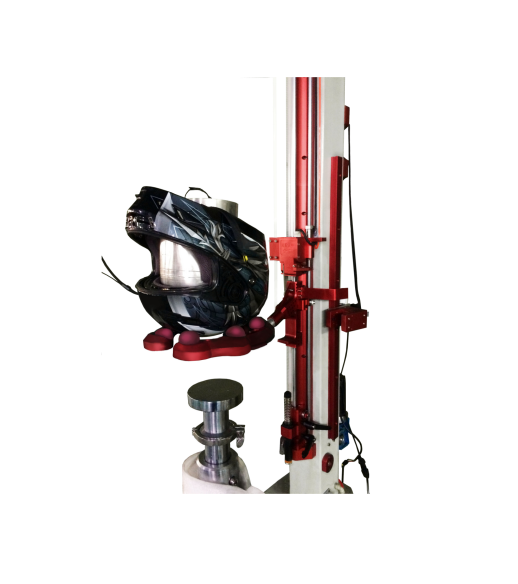
The EN 1078 helmet impact test is an important safety test for bicycle helmets, skateboard helmets and roller skate helmets. The standard EN 1078:2012+A1:2012 specifies requirements and test methods for helmet construction, shock absorption, retention systems, field of vision and marking.
EN 1078 Helmet Impact Test: Bicycle Helmet Shock Absorption Testing

Bicycle helmet compliance testing is essential for verifying helmet safety and impact protection. Learn how EN 1078, CPSC 16 CFR Part 1203, and ASTM F1447 evaluate bicycle helmet performance and why a reliable Bicycle Helmet Impact Tester is important for compliance testing.
Why Bicycle Helmet Compliance Testing Is Important

Every time a cyclist or skater puts on a helmet, they are trusting a lightweight shell to save their life. In the global market, especially in Europe, the EN 1078 standard is the definitive legal benchmark for bicycle helmets, skateboards, and roller skate headgear. Here is an inside look at how this advanced testing equipment puts helmets through their paces to meet EN 1078 certification.
Behind the Safety Shield: How a Helmet Impact Tester Ensures EN 1078 Compliance

ECE R22.06 is the latest and most stringent European safety standard for motorcycle and two-wheeler helmets. Reliable helmet test equipment is essential for manufacturers, labs, and certification bodies to verify compliance. HOTOTECH provides the ECE R22.06 helmet testing systems covering impact absorption, penetration resistance, retention system performance, and environmental conditioning.
ECE R22.06 Helmet Test Equipment: Principles & Standards