
ECE R22.06 Helmet Test Equipment: Principles & Standards
author: Heather Hu
2026-03-24

ECE R22.06 Helmet Test Equipment: Principles & Standards
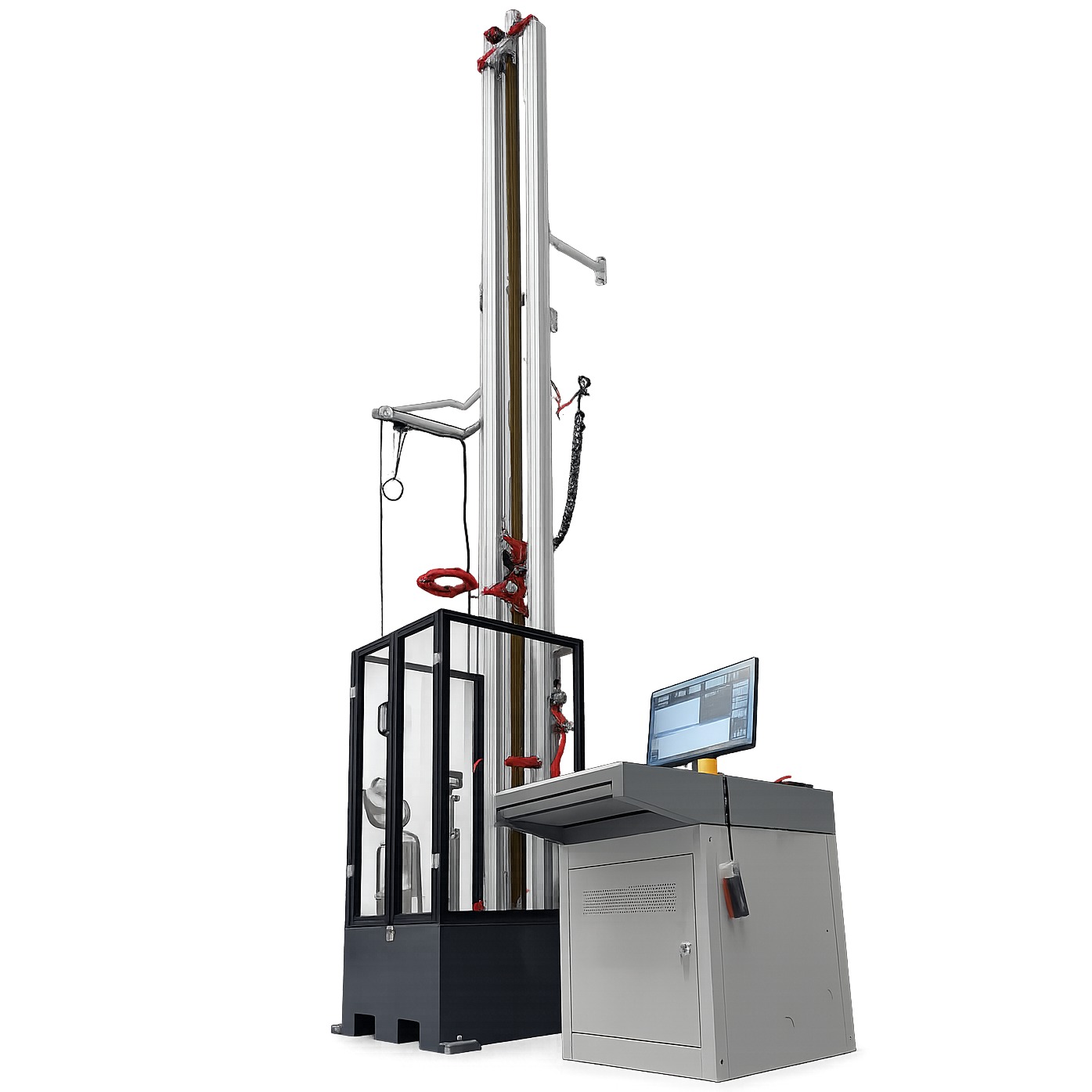
A complete guide to ECE R22.06 helmet testing, core working principles, and how HOTOTECH testing solutions ensure compliance and riding safety.
Introduction
ECE R22.06 (often referred to as ECE06) is the latest and most stringent European safety standard for motorcycle and two-wheeler helmets. It replaces the older ECE R22.05 with stricter impact rules, expanded test points, and upgraded performance requirements. Reliable helmet test equipment is essential for manufacturers, labs, and certification bodies to verify compliance.
HOTOTECH provides integrated ECE06 helmet testing systems covering impact absorption, penetration resistance, retention system performance, and environmental conditioning—delivering accurate, repeatable data for certification and quality control.
What Is ECE06 (ECE R22.06)
ECE R22.06 is a UN-regulated standard that defines mandatory safety requirements for helmets used on public roads in Europe and many global markets.
Key upgrades over ECE R22.05:
- More impact test positions (up to 18 critical zones)
- Dual energy levels: high-energy & low-energy impacts
- Stricter limits for headform acceleration and HIC
- Enhanced penetration resistance and retention system checks
- New rules for visor impact and modular helmet stability
Compliance with ECE06 confirms a helmet offers reliable protection in real-world crashes.
Core Testing Principles of ECE06 Helmet Equipment
1. Impact Absorption Test Principle
The helmet is mounted on a calibrated headform and dropped onto standardized anvils (flat, kerb, hemispherical) at defined velocities.
Key measurements:
- Peak acceleration (must not exceed 275g)
- Head Injury Criterion (HIC) (≤2400)
- Impact velocity, energy, and time-history curves
Purpose: Validate the liner absorbs energy instead of transferring dangerous forces to the head.
2. Penetration Resistance Test Principle
A weighted, pointed striker is dropped from a specified height onto the helmet shell.
Pass criteria:
- The striker must not penetrate the shell
- No contact with the headform underneath
Purpose: Simulate impacts with sharp objects and prevent skull puncture.
3. Retention System Test Principle
Dynamic and static forces are applied to chin straps and buckles to simulate crash loads.
Checks include:
- Ultimate strength
- Elongation limits
- No slippage or breakage
Purpose: Ensure the helmet stays securely in place during impact.
4. Environmental Conditioning Principle
Helmets are conditioned in high/low temperature and humidity chambers before testing, replicating real-world wear.
Purpose: Ensure performance remains stable across climates and usage conditions.
HOTOTECH ECE06 Helmet Test Equipment Applications
HOTOTECH testing machines are purpose-built to execute all ECE R22.06 test items with high precision and stability.
HT Series Impact Absorption Tester
- Full compliance with ECE R22.06 impact velocity and anvil requirements
- High-speed data acquisition for acceleration & HIC
- PLC control + infrared speed detection
- Automatic drop mechanism with position repeatability
- Supports 18+ impact positions as required by ECE06
HT Penetration Resistance Tester
- Guided free-fall striker with calibrated mass and tip geometry
- Electrical contact detection to confirm no headform touch
- Stable frame design for consistent, repeatable strikes
- Meets ECE06 anti-penetration performance criteria
HT Retention System Tester
- Static load and dynamic drop testing
- Precision displacement measurement for strap elongation
- Durable fixtures for buckles, straps, and quick-release systems
- Validates strength and safety under ECE06 limits
HT Environmental Test Chamber
- Temperature range: ambient to 100°C
- Uniform air circulation for consistent conditioning
- Compatible with pre-conditioning before ECE06 impact tests
- Improves test authenticity and certification reliability
Why Choose HOTOTECH for ECE06 Testing
- Full ECE R22.06 compliance: Covers all mandatory test items in the standard
- High precision: Measurement error ≤0.5% for force, speed, and displacement
- Stable & durable: Industrial-grade structure for continuous lab use
- Intuitive software: Multi-language UI, auto-report generation, curve analysis
- Customizable: Adaptable for motorcycle, bicycle, and industrial helmet testing
Conclusion
ECE R22.06 sets a new benchmark for helmet safety, and professional test equipment is non-negotiable for compliance. HOTOTECH integrated testing solutions deliver accurate, repeatable results to support R&D, mass production quality control, and third-party certification.
For manufacturers and testing labs, investing in reliable ECE06 helmet test equipment means safer products, faster certification, and stronger market competitiveness.
Helmet Impact Testing Machine
ANSI Z89.1 Standard: A Complete Guide to Industrial Head Protection
Related Article
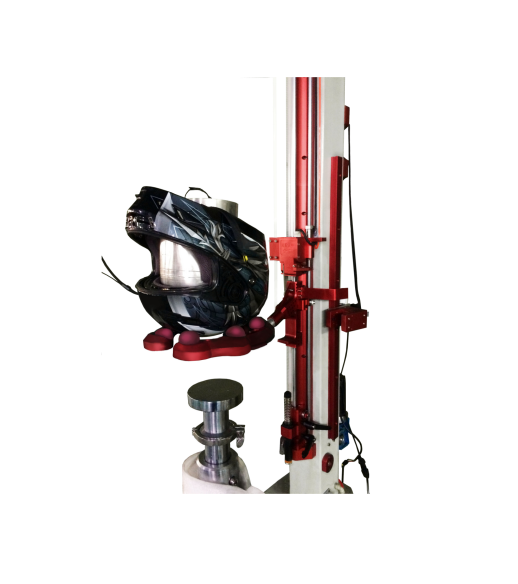
The EN 1078 helmet impact test is an important safety test for bicycle helmets, skateboard helmets and roller skate helmets. The standard EN 1078:2012+A1:2012 specifies requirements and test methods for helmet construction, shock absorption, retention systems, field of vision and marking.
EN 1078 Helmet Impact Test: Bicycle Helmet Shock Absorption Testing

Bicycle helmet compliance testing is essential for verifying helmet safety and impact protection. Learn how EN 1078, CPSC 16 CFR Part 1203, and ASTM F1447 evaluate bicycle helmet performance and why a reliable Bicycle Helmet Impact Tester is important for compliance testing.
Why Bicycle Helmet Compliance Testing Is Important

Every time a cyclist or skater puts on a helmet, they are trusting a lightweight shell to save their life. In the global market, especially in Europe, the EN 1078 standard is the definitive legal benchmark for bicycle helmets, skateboards, and roller skate headgear. Here is an inside look at how this advanced testing equipment puts helmets through their paces to meet EN 1078 certification.
Behind the Safety Shield: How a Helmet Impact Tester Ensures EN 1078 Compliance

In the industrial workplace, head protection is non-negotiable—every year, proper safety helmets prevent countless traumatic injuries and save lives. But not all helmets are created equal. The ANSI Z89.1 standard sets rigorous requirements for helmet design, performance, and testing, ensuring that workers are shielded from hazards like falling objects, impacts, and electrical risks. In this guide, we’ll break down everything you need to know about ANSI Z89.1.
ANSI Z89.1 Standard: A Complete Guide to Industrial Head Protection