
Alpine vs. Freestyle, Kids vs. Adults: Are You Using the Right Ski Helmet?
author: Heather Hu
2025-10-11
Alpine vs. Freestyle, Kids vs. Adults: Are You Using the Right Ski Helmet?
When hitting the slopes, your choice of ski helmet isn’t just a fashion statement—it’s a life-saving piece of gear. But with so many options tailored to different skiing styles (Alpine vs. Freestyle) and age groups (Kids vs. Adults), how do you know if you’re picking the right one? This blog breaks down the key differences, so you can stay safe while maximizing your fun on the mountain.

Why Ski Helmet Fit & Function Matter More Than You Think
Before diving into specific types, let’s start with the basics: a ski helmet only works if it’s properly fitted and designed for your activity. A poorly fitting helmet won’t protect you in a fall, and a helmet made for one skiing style might fail in another. For example, a helmet built for casual Alpine skiing won’t offer the same protection as one made for high-impact Freestyle tricks.
Key stats to remember: The National Ski Areas Association (NSAA) reports that wearing a helmet reduces the risk of head injury by 30% for skiers and snowboarders. But that number drops significantly if the helmet isn’t right for your needs.
Kids vs. Adults: Helmet Needs That Change With Age
Kids and adults have very different priorities when it comes to ski helmets. Growth, comfort, and safety habits all play a role in choosing the best option for each group.
Kids’ Ski Helmets: Growth, Durability, and Fun
Kids’ heads are still growing, so their helmets need to be adjustable to fit as they get bigger. Most quality kids’ helmets come with a dial system or removable padding that lets you tweak the fit over multiple seasons—saving you money and ensuring ongoing protection.
Durability is another must. Kids are hard on gear: they drop helmets, bang them against lift poles, and leave them in snowbanks. Look for helmets made with impact-resistant ABS plastic or lightweight polycarbonate shells that can handle rough use.
Finally, kids won’t wear a helmet they hate. Bright colors, fun patterns (think dinosaurs, unicorns, or their favorite sports teams), and comfortable liners make helmets feel like a “cool” accessory, not a chore.
Adults’ Ski Helmets: Fit, Performance, and Comfort
Adults’ heads have stopped growing, so the focus shifts to a precision fit. A helmet should sit snugly on your head—no wobbling side-to-side or front-to-back—and cover your forehead without blocking your vision. Many adult helmets offer customizable padding (thinner or thicker inserts) to match the shape of your skull.
Performance features also matter more for adults. If you’re a frequent skier, look for helmets with ventilation systems (adjustable vents that let you control airflow) to prevent overheating on sunny days. For backcountry skiers, some helmets even integrate with avalanche transceivers or have slots for goggle straps to keep gear secure.
Comfort is non-negotiable for adults who spend hours on the slopes. Soft, moisture-wicking liners prevent sweat buildup, and padded chin straps reduce chafing. Some helmets also have built-in ear pads that are removable—great for warm days or if you prefer to wear earbuds.
Alpine vs. Freestyle: Helmets Designed for Different Slopes
Not all skiing is the same, and your helmet should match the type of terrain you’re tackling. Alpine (or “downhill”) skiing and Freestyle skiing require distinct features to keep you safe.
Alpine Ski Helmets: Speed and Frontal Protection
Alpine skiing is all about speed—carving down groomed runs, navigating moguls, or racing through gates. The biggest risk here is a frontal or side impact (e.g., crashing into a tree, another skier, or hard-packed snow).
Alpine helmets are designed to handle these high-speed impacts. They have a stiffer shell and thicker foam padding around the front and sides of the head. Many also come with a goggle clip (a small strap on the back) to keep your goggles in place when you’re flying down the mountain.
For advanced Alpine skiers, look for helmets with MIPS (Multi-directional Impact Protection System). MIPS is a layer inside the helmet that allows the shell to rotate slightly on impact, reducing rotational forces on the brain—critical for preventing concussions.
Freestyle Ski Helmets: Impact and Rear Protection
Freestyle skiing is all about tricks: halfpipes, rails, jumps, and terrain parks. The biggest risk here is a backward fall (e.g., landing on your head after a jump or wiping out on a rail).
Freestyle helmets are built with extra protection for the back of the head. They have a lower, more rounded back to cover the occipital bone (the part of your skull at the base of your head) and thicker foam in that area. They’re also often lighter and more flexible than Alpine helmets—so you can move your head freely when pulling off tricks.
Many Freestyle helmets also include ear cutouts (to accommodate headphones or ear warmers) and a more relaxed fit around the jaw, making it easier to breathe when you’re exerting yourself. Some even have a removable chin guard—perfect for skiers who switch between Freestyle and casual Alpine skiing.
How to Choose the Right Ski Helmet: A Step-by-Step Guide
Now that you know the differences between kids’/adults’ and Alpine/Freestyle helmets, here’s how to pick the perfect one:
- Measure your head: Use a soft tape measure to wrap around the widest part of your head (just above your eyebrows and ears). Compare this measurement to the helmet’s size chart—don’t guess!
- Test the fit: Put the helmet on and fasten the chin strap. Shake your head gently—if the helmet moves more than an inch, it’s too big. If it presses tightly on your forehead or temples, it’s too small.
- Check for safety certifications: Look for labels like CE EN 1077 (European standard) or ASTM F2040 (American standard). These mean the helmet has passed rigorous impact tests.
- Match to your style: If you’re a kid who loves terrain parks, go for a Freestyle helmet with fun colors. If you’re an adult who skis groomed runs, an Alpine helmet with MIPS is a smart choice.
- Don’t skimp on quality: A good helmet costs \(50–\)200, but it’s worth every penny. Avoid cheap, uncertified helmets—they won’t protect you in a crash.
Final Thought: Your Helmet Is Your Best Friend on the Slopes
Whether you’re a kid learning to snowplow, an adult racing down a black diamond, a Freestyle enthusiast hitting the halfpipe, or an Alpine skier cruising groomed runs—the right helmet keeps you safe so you can focus on having fun. Take the time to find one that fits well, matches your style, and meets safety standards. Your head will thank you!
No matter which helmet you choose, always look for products certified by international safety standards—this is the non-negotiable baseline for ensuring your helmet can truly protect you when it matters most. Common and reliable standards include:
- CE EN 1077: The European standard specifically for ski and snowboard helmets, testing resistance to impact, penetration, and strap strength.
- ASTM F2040: The American Society for Testing and Materials standard that evaluates helmet performance in high-impact scenarios, including frontal, side, and rear collisions.
It’s important to note that these rigorous standards aren’t achieved by chance—they require strict testing using professional equipment, such as that provided by HOTOTECH. This specialized gear ensures that every certified helmet meets or exceeds the safety thresholds needed to shield skiers from potential harm, giving you peace of mind with every turn down the mountain.
How Safe Is Your Helmet? Meet Its Laboratory Judges
What's the Cost of a Failed Helmet Test? Avoid These Common Testing Mistakes
Related Article
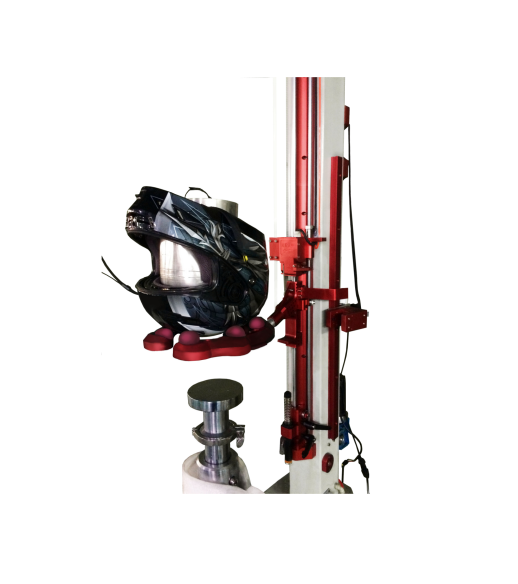
The EN 1078 helmet impact test is an important safety test for bicycle helmets, skateboard helmets and roller skate helmets. The standard EN 1078:2012+A1:2012 specifies requirements and test methods for helmet construction, shock absorption, retention systems, field of vision and marking.
EN 1078 Helmet Impact Test: Bicycle Helmet Shock Absorption Testing

Bicycle helmet compliance testing is essential for verifying helmet safety and impact protection. Learn how EN 1078, CPSC 16 CFR Part 1203, and ASTM F1447 evaluate bicycle helmet performance and why a reliable Bicycle Helmet Impact Tester is important for compliance testing.
Why Bicycle Helmet Compliance Testing Is Important

Every time a cyclist or skater puts on a helmet, they are trusting a lightweight shell to save their life. In the global market, especially in Europe, the EN 1078 standard is the definitive legal benchmark for bicycle helmets, skateboards, and roller skate headgear. Here is an inside look at how this advanced testing equipment puts helmets through their paces to meet EN 1078 certification.
Behind the Safety Shield: How a Helmet Impact Tester Ensures EN 1078 Compliance

ECE R22.06 is the latest and most stringent European safety standard for motorcycle and two-wheeler helmets. Reliable helmet test equipment is essential for manufacturers, labs, and certification bodies to verify compliance. HOTOTECH provides the ECE R22.06 helmet testing systems covering impact absorption, penetration resistance, retention system performance, and environmental conditioning.
ECE R22.06 Helmet Test Equipment: Principles & Standards