
What is ANSI/ISEA Z89.1? A Complete Guide to Industrial Helmet Safety Standards
author: Heather
2025-06-05

What is ANSI/ISEA Z89.1? A Complete Guide to Industrial Helmet Safety Standards

In the industrial world, safety is not just a priority—it's a necessity. Industrial helmets, often a worker's first line of defense against head injuries, play a crucial role in safeguarding lives. But how do we ensure these helmets are up to the task? Enter ANSI/ISEA Z89.1, a cornerstone in industrial helmet safety standards. This comprehensive guide will walk you through everything you need to know about ANSI/ISEA Z89.1, from its purpose to its impact on workplace safety.
Understanding the Basics of ANSI/ISEA Z89.1
ANSI stands for the American National Standards Institute, and ISEA represents the International Safety Equipment Association. Together, they developed the Z89.1 standard, which serves as a benchmark for head protection in industrial settings. This standard is regularly updated to keep pace with technological advancements and evolving safety needs, ensuring that helmets offer the highest level of protection possible.
The Purpose of ANSI/ISEA Z89.1
The primary goal of ANSI/ISEA Z89.1 is to define minimum performance requirements for industrial helmets. It covers various aspects, including impact resistance, penetration resistance, electrical insulation, and retention system strength. By setting these standards, the Z89.1 ensures that helmets can effectively protect workers from a wide range of potential hazards, such as falling objects, electrical shocks, and collisions.
Who Does ANSI/ISEA Z89.1 Apply To?
ANSI/ISEA Z89.1 applies to manufacturers, distributors, and end-users of industrial helmets. Manufacturers must ensure that their products meet or exceed the requirements outlined in the standard before they can be sold in the market. Distributors, on the other hand, are responsible for ensuring that the helmets they sell are compliant. For end-users, understanding the Z89.1 standard is crucial for selecting the right helmet for their specific job requirements and for maintaining it properly to ensure ongoing safety.
Different Classes and Types of Helmets Under ANSI/ISEA Z89.1
The Z89.1 standard categorizes industrial helmets into different classes and types based on their intended use and the level of protection they offer.
Classes
- Class G (General): These helmets are designed to provide basic impact protection and are suitable for most general industrial applications. They offer limited protection against electrical hazards, with a voltage rating of up to 2,200 volts.
- Class E (Electrical): Class E helmets are engineered to provide high-level electrical protection, with a voltage rating of up to 20,000 volts. They are commonly used in electrical work and other environments where there is a high risk of electrical shock.
- Class C (Conductive): Class C helmets are non-insulated and are intended for use in environments where there is no risk of electrical shock but where lightweight and ventilation are important factors, such as in some construction and manufacturing settings.
Types
- Type 1: Type 1 helmets are designed to protect the top of the head from impact and penetration. They are the most common type of industrial helmet and are suitable for a wide range of applications.
- Type 2: Type 2 helmets, in addition to protecting the top of the head, also offer side-impact protection. This makes them ideal for environments where there is a higher risk of side impacts, such as in certain mining and forestry operations.
How Are Helmets Tested Under ANSI/ISEA Z89.1?
To ensure compliance with the ANSI/ISEA Z89.1 standard, helmets undergo a series of rigorous testing procedures. These tests evaluate the helmet's ability to withstand various types of impacts, resist penetration, and maintain its structural integrity under different conditions.
Impact Resistance Testing
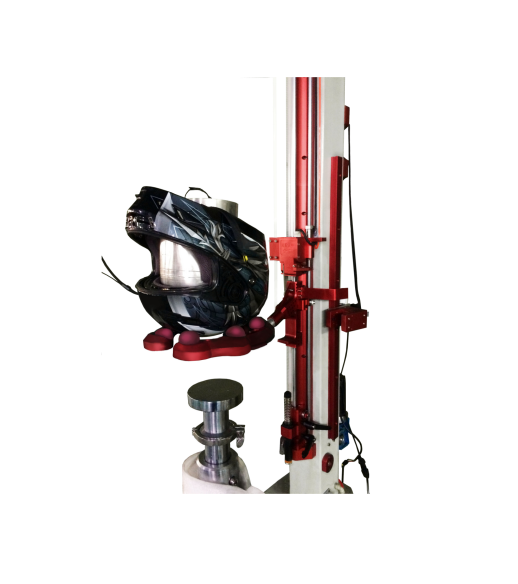
One of the key tests is the impact resistance test, where a helmet is dropped onto an anvil from a specific height. The force of the impact is measured, and the helmet's ability to absorb and distribute that force without allowing it to reach the wearer's head is evaluated. Helmets must meet specific impact attenuation requirements to pass this test.
Penetration Resistance Testing
In the penetration resistance test, a sharp object, such as a steel spike, is dropped onto the helmet. The test assesses whether the object can penetrate the helmet and reach the wearer's head. Helmets are required to prevent penetration under specified impact conditions to be considered compliant.
Electrical Insulation Testing
For helmets classified as Class G or Class E, electrical insulation testing is essential. This test measures the helmet's ability to resist the flow of electricity. Helmets must maintain a certain level of electrical resistance to protect the wearer from electrical shocks in hazardous environments.
The Importance of ANSI/ISEA Z89.1 in the Workplace
ANSI/ISEA Z89.1 is not just a set of rules; it's a lifesaver in the industrial workplace. By ensuring that helmets meet strict safety standards, the Z89.1 standard significantly reduces the risk of head injuries, which can range from minor concussions to severe, life-altering trauma.
Reducing Workplace Accidents
Compliance with ANSI/ISEA Z89.1 helps employers create a safer work environment. When workers wear helmets that meet these standards, they are better protected against the many hazards present in industrial settings. This, in turn, leads to a decrease in workplace accidents and injuries, improving overall productivity and reducing the financial burden of workplace injuries on employers.
Protecting Workers' Health and Well-being
Beyond preventing physical injuries, adhering to the Z89.1 standard also safeguards workers' long-term health and well-being. Head injuries can have lasting effects, including cognitive impairments, chronic pain, and neurological disorders. By providing reliable head protection, ANSI/ISEA Z89.1 helps workers avoid these potentially devastating consequences.
Choosing the Right ANSI/ISEA Z89.1-Compliant Helmet
Selecting the appropriate industrial helmet is crucial for ensuring maximum safety. When choosing a helmet, consider the following factors:
Job Requirements
Assess the specific hazards present in your work environment. If you work in an electrical field, a Class E helmet with high electrical insulation is essential. For general construction work, a Class G helmet may be sufficient.
Comfort and Fit
A helmet that doesn't fit properly won't provide adequate protection. Look for helmets with adjustable straps and padding to ensure a snug, comfortable fit. A well-fitting helmet stays in place during work activities, providing consistent protection.
Additional Features
Some helmets come with extra features, such as ventilation systems for improved comfort in hot environments, face shields for added eye and face protection, and attachment points for accessories like lights and ear defenders. Consider these features based on your specific needs.
In conclusion, ANSI/ISEA Z89.1 is a vital standard that ensures the safety and reliability of industrial helmets. By understanding this standard, manufacturers, distributors, and end-users can make informed decisions that prioritize worker safety. Whether you're an employer looking to outfit your workforce with the best protection or a worker seeking a reliable helmet, knowledge of ANSI/ISEA Z89.1 is key to a safer industrial workplace.
Are Helmets Supposed to Break on Impact? The Science Behind Helmet Safety
How Does a Helmet Impact Test Machine Work? The Science Behind Simulating Collisions
Related Article
The EN 1078 helmet impact test is an important safety test for bicycle helmets, skateboard helmets and roller skate helmets. The standard EN 1078:2012+A1:2012 specifies requirements and test methods for helmet construction, shock absorption, retention systems, field of vision and marking.
EN 1078 Helmet Impact Test: Bicycle Helmet Shock Absorption Testing

Bicycle helmet compliance testing is essential for verifying helmet safety and impact protection. Learn how EN 1078, CPSC 16 CFR Part 1203, and ASTM F1447 evaluate bicycle helmet performance and why a reliable Bicycle Helmet Impact Tester is important for compliance testing.
Why Bicycle Helmet Compliance Testing Is Important

Every time a cyclist or skater puts on a helmet, they are trusting a lightweight shell to save their life. In the global market, especially in Europe, the EN 1078 standard is the definitive legal benchmark for bicycle helmets, skateboards, and roller skate headgear. Here is an inside look at how this advanced testing equipment puts helmets through their paces to meet EN 1078 certification.
Behind the Safety Shield: How a Helmet Impact Tester Ensures EN 1078 Compliance

ECE R22.06 is the latest and most stringent European safety standard for motorcycle and two-wheeler helmets. Reliable helmet test equipment is essential for manufacturers, labs, and certification bodies to verify compliance. HOTOTECH provides the ECE R22.06 helmet testing systems covering impact absorption, penetration resistance, retention system performance, and environmental conditioning.
ECE R22.06 Helmet Test Equipment: Principles & Standards