
How Does a Helmet Impact Test Machine Work? The Science Behind Simulating Collisions
author: Heather
2025-05-15
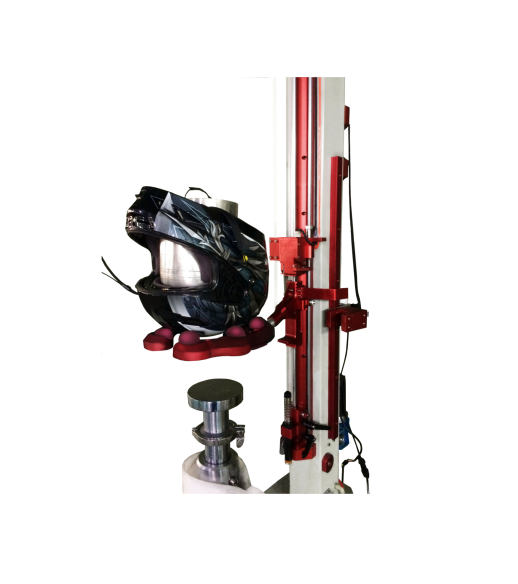
How Does a Helmet Impact Test Machine Work? The Science Behind Simulating Collisions

In the world of safety gear, helmets stand as the first line of defense for motorcyclists, cyclists, and athletes. Helmet impact test machines play a crucial role in ensuring that these helmets can effectively protect users from severe head injuries. In this blog post, we'll explore how these machines work and the science behind simulating collisions.
The Purpose of Helmet Impact Test Machines
The primary purpose of a helmet impact test machine is to assess a helmet's ability to absorb and distribute the force generated during a collision. Helmets are designed to reduce the impact force transmitted to the head, minimizing the risk of concussions, skull fractures, and other serious injuries. By subjecting helmets to controlled impact tests, manufacturers and regulatory bodies can verify that helmets meet safety standards and provide adequate protection.
Components of a Helmet Impact Test Machine
The Impactor
The impactor is a key component of the test machine. It is typically a weighted object, often shaped like a headform, that is dropped or propelled towards the helmet at a specific velocity. The impactor simulates the mass and shape of a human head to mimic real-world collision scenarios accurately.
The Drop Tower or Launch System
The drop tower or launch system is responsible for accelerating the impactor to the desired speed. In a drop tower setup, the impactor is lifted to a certain height and then released, allowing it to fall freely under the force of gravity. Launch systems, on the other hand, use mechanisms like pneumatic or electromagnetic propulsion to hurl the impactor towards the helmet.
Force Sensors and Data Acquisition Systems
Force sensors are strategically placed within the test machine to measure the impact forces exerted on the helmet. These sensors convert the physical forces into electrical signals, which are then collected and analyzed by data acquisition systems. The data obtained from these sensors provide valuable insights into how the helmet responds to the impact.
The Testing Process
Preparation
Before the test, the helmet is securely mounted on a fixture that mimics the way it would be worn on a person's head. The position and orientation of the helmet are carefully adjusted to ensure consistent and accurate results.
Impact Simulation
Once prepared, the impactor is set in motion. Depending on the type of test, the impactor may strike the helmet from different angles and at various velocities. Common tests include frontal impacts, side impacts, and rear impacts to assess the helmet's performance in different collision scenarios.
Data Collection and Analysis
As the impactor hits the helmet, the force sensors record the impact forces in real-time. The data acquisition system captures these signals and stores them for further analysis. Engineers use specialized software to analyze the data, calculate key parameters such as peak force, deceleration, and energy absorption, and evaluate whether the helmet meets the required safety standards.
The Science Behind Simulating Collisions
Physics of Impact
The science of simulating collisions relies on the principles of physics, particularly Newton's laws of motion. When the impactor collides with the helmet, the force of the impact is transferred to the helmet and then to the headform. Understanding how these forces are distributed and absorbed is crucial for designing effective helmets.
Material Science
Material science also plays a significant role in helmet impact testing. Helmets are typically made of multiple layers of materials, each with specific properties designed to absorb and dissipate energy. By testing helmets with different materials and designs, researchers can optimize helmet construction to provide the best possible protection.
Conclusion
Helmet impact test machines are essential tools in the development and certification of safe helmets. Through the careful simulation of collisions and the analysis of impact data, these machines ensure that helmets can withstand the forces experienced in real-world accidents. As technology continues to advance, we can expect even more sophisticated impact test machines and testing methods to emerge, further enhancing the safety of helmets and protecting countless lives.
What is ANSI/ISEA Z89.1? A Complete Guide to Industrial Helmet Safety Standards
Why Climate Chambers Matter in Helmet Testing: Effects of Temperature & Humidity
Related Article
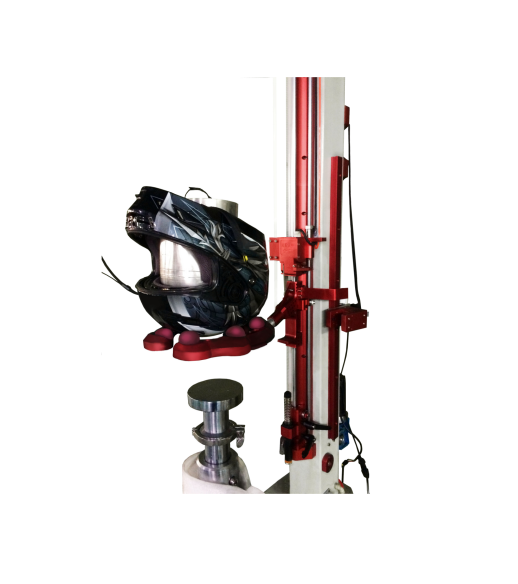
The EN 1078 helmet impact test is an important safety test for bicycle helmets, skateboard helmets and roller skate helmets. The standard EN 1078:2012+A1:2012 specifies requirements and test methods for helmet construction, shock absorption, retention systems, field of vision and marking.
EN 1078 Helmet Impact Test: Bicycle Helmet Shock Absorption Testing

Bicycle helmet compliance testing is essential for verifying helmet safety and impact protection. Learn how EN 1078, CPSC 16 CFR Part 1203, and ASTM F1447 evaluate bicycle helmet performance and why a reliable Bicycle Helmet Impact Tester is important for compliance testing.
Why Bicycle Helmet Compliance Testing Is Important

Every time a cyclist or skater puts on a helmet, they are trusting a lightweight shell to save their life. In the global market, especially in Europe, the EN 1078 standard is the definitive legal benchmark for bicycle helmets, skateboards, and roller skate headgear. Here is an inside look at how this advanced testing equipment puts helmets through their paces to meet EN 1078 certification.
Behind the Safety Shield: How a Helmet Impact Tester Ensures EN 1078 Compliance

ECE R22.06 is the latest and most stringent European safety standard for motorcycle and two-wheeler helmets. Reliable helmet test equipment is essential for manufacturers, labs, and certification bodies to verify compliance. HOTOTECH provides the ECE R22.06 helmet testing systems covering impact absorption, penetration resistance, retention system performance, and environmental conditioning.
ECE R22.06 Helmet Test Equipment: Principles & Standards