
Why Climate Chambers Matter in Helmet Testing: Effects of Temperature & Humidity
author: Heather
2025-05-14

Why Climate Chambers Matter in Helmet Testing: Effects of Temperature & Humidity

Helmets are critical safety devices that protect users from head injuries in various scenarios, from cycling and motorcycling to industrial work. However, their performance isn’t static—it’s deeply influenced by environmental conditions. This is where climate chambers play a pivotal role. These specialized testing facilities allow manufacturers to simulate real-world temperature and humidity extremes, ensuring helmets remain reliable under any climate. In this blog, we’ll explore why these chambers are indispensable in helmet testing and how temperature and humidity impact helmet performance.
The Role of Climate Chambers in Helmet Testing
Climate chambers, also known as environmental test chambers, are designed to replicate a wide range of temperature (from sub-zero cold to scorching heat) and humidity levels (from arid dryness to high moisture). For helmet manufacturers, these chambers are essential for:
- Validating materials: Testing how helmet shells, padding, and straps withstand thermal expansion/contraction or moisture absorption.
- Ensuring safety standards: Meeting regulatory requirements that mandate performance testing under diverse environmental conditions.
- Optimizing design: Identifying weak points in prototypes before mass production, reducing costly recalls or failures.
How Temperature Affects Helmet Performance
Temperature extremes can significantly alter a helmet’s structural integrity and functionality:
1. High Temperatures
- Material Degradation: Polycarbonate shells may soften or warp in prolonged heat, reducing impact resistance.
- Padding Breakdown: Foam linings (e.g., EPS foam) can lose their shock-absorbing properties when exposed to high temperatures, compromising safety.
- Ventilation Efficiency: Heat can test a helmet’s airflow design—poor ventilation in hot climates may cause discomfort or overheating for users.
2. Low Temperatures
- Brittleness Risks: Plastics and adhesives become rigid and prone to cracking in freezing conditions, potentially weakening the helmet’s protective barrier.
- Strap Flexibility: Nylon or polyester straps may lose elasticity, making them harder to adjust or secure properly.
The Impact of Humidity on Helmet Performance
Humidity, often overlooked, is another critical factor:
1. High Humidity
- Moisture Absorption: Padding materials like foam or fabric may absorb water, increasing the helmet’s weight and reducing comfort. In extreme cases, dampness can foster mold growth, compromising hygiene and durability.
- Corrosion Risks: Metal components (e.g., buckles, rivets) may rust or corrode in humid environments, weakening the helmet’s structural stability.
2. Low Humidity
- Drying and Cracking: Leather or synthetic linings can dry out and crack in arid conditions, affecting fit and safety.
- Static Electricity: Dry air may generate static, causing discomfort or interfering with communication devices integrated into the helmet (e.g., for motorcyclists).
Real-World Applications of Climate Chamber Testing
By subjecting helmets to controlled climate simulations, manufacturers can address real-world challenges:
- Motorcycle Helmets: Tested in high-temperature chambers to ensure visors don’t fog in humid climates and padding remains breathable in desert heat.
- Industrial Helmets: Exposed to freezing conditions to verify straps and shells stay flexible for workers in cold storage or outdoor winter environments.
- Athletic Helmets: Evaluated for sweat management in high-humidity chambers, ensuring padding stays odor-resistant and comfortable during prolonged use.
Conclusion: Prioritizing Climate Resilience in Helmet Design
Climate chambers are not just testing tools—they’re quality assurance powerhouses that ensure helmets perform reliably across the globe. By systematically evaluating the effects of temperature and humidity, manufacturers can create helmets that:
- Meet international safety standards (e.g., DOT, ECE, CPSC).
- Enhance user comfort in diverse climates.
- Build trust with consumers by delivering consistent, durable protection.
As climate change introduces more extreme weather patterns, the role of climate chambers in helmet testing will only grow more critical. For brands committed to safety without compromise, investing in these chambers is not an option—it’s a necessity.
How Does a Helmet Impact Test Machine Work? The Science Behind Simulating Collisions
How Does a Helmet Impact Test Machine Work? The Science Behind Simulating Collisions
Related Article
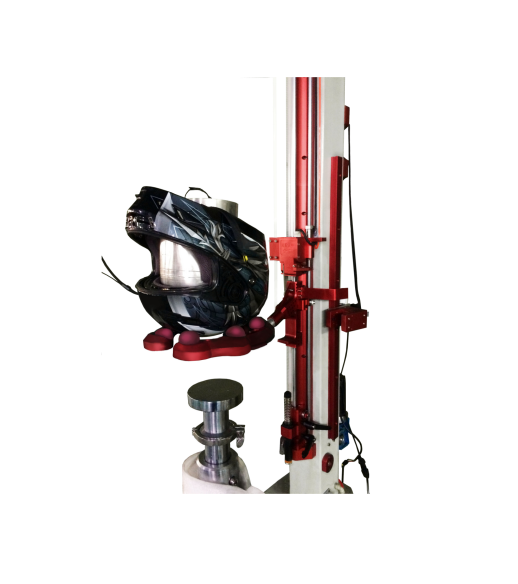
The EN 1078 helmet impact test is an important safety test for bicycle helmets, skateboard helmets and roller skate helmets. The standard EN 1078:2012+A1:2012 specifies requirements and test methods for helmet construction, shock absorption, retention systems, field of vision and marking.
EN 1078 Helmet Impact Test: Bicycle Helmet Shock Absorption Testing

Bicycle helmet compliance testing is essential for verifying helmet safety and impact protection. Learn how EN 1078, CPSC 16 CFR Part 1203, and ASTM F1447 evaluate bicycle helmet performance and why a reliable Bicycle Helmet Impact Tester is important for compliance testing.
Why Bicycle Helmet Compliance Testing Is Important

Every time a cyclist or skater puts on a helmet, they are trusting a lightweight shell to save their life. In the global market, especially in Europe, the EN 1078 standard is the definitive legal benchmark for bicycle helmets, skateboards, and roller skate headgear. Here is an inside look at how this advanced testing equipment puts helmets through their paces to meet EN 1078 certification.
Behind the Safety Shield: How a Helmet Impact Tester Ensures EN 1078 Compliance

ECE R22.06 is the latest and most stringent European safety standard for motorcycle and two-wheeler helmets. Reliable helmet test equipment is essential for manufacturers, labs, and certification bodies to verify compliance. HOTOTECH provides the ECE R22.06 helmet testing systems covering impact absorption, penetration resistance, retention system performance, and environmental conditioning.
ECE R22.06 Helmet Test Equipment: Principles & Standards