
Must-Read for Helmet Manufacturers: How to Avoid Penetration Test Failures
author: Heather Hu
2025-05-09

Must-Read for Helmet Manufacturers: How to Avoid Penetration Test Failures

Helmets serve as the first line of defense for users, whether they are motorcyclists, construction workers, or athletes. The penetration test is a crucial assessment that determines a helmet's ability to withstand sharp impacts and prevent foreign objects from piercing through, safeguarding the wearer's head from severe injuries. Failing this test not only means a product cannot enter the market but also risks the reputation and legal liability of the manufacturer. This blog will explore how helmet manufacturers can avoid penetration test failures.
Understanding the Penetration Test
What is a Penetration Test?
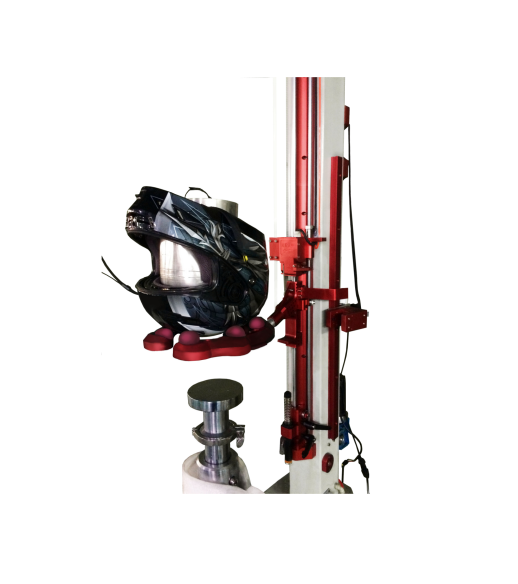
The penetration test simulates real-world scenarios where a helmet might encounter sharp objects, like falling tools on a construction site or debris on a motorcycle road. During the test, a sharp projectile is dropped onto the helmet from a specified height, and the helmet's material must prevent the projectile from breaking through and reaching the headform inside.
Why is it Important?
A helmet that fails the penetration test is a safety hazard. It cannot protect users from penetrating injuries, which can cause traumatic brain damage or even death. Meeting the standards set by regulatory bodies such as the Department of Transportation (DOT) in the United States or the Economic Commission for Europe (ECE) regulations in Europe is non-negotiable for helmet manufacturers aiming to enter the market.
Common Reasons for Penetration Test Failures
Material Quality Issues
One of the primary causes of test failures is the use of substandard materials. Low-quality plastics, composites, or foams may not have the necessary strength and durability to withstand the impact of the penetration test. Manufacturers may be tempted to cut costs by using cheaper materials, but this compromises the helmet's safety performance.
Design Flaws
Poor helmet design can also lead to failure. Inadequate thickness in certain areas, improper curvature, or weak bonding between different components can make the helmet vulnerable to penetration. A design that does not distribute impact forces evenly across the helmet's surface increases the risk of failure.
Manufacturing Defects
Inconsistent production processes can result in manufacturing defects. For example, air bubbles or voids in the material, uneven lamination, or improper application of coatings can weaken the helmet's structure. These defects may not be visible to the naked eye but can significantly impact the helmet's performance during the penetration test.
Strategies to Avoid Penetration Test Failures
Invest in High-Quality Materials
Manufacturers should prioritize material selection and partner with reliable suppliers. Conducting thorough material testing before production, such as tensile strength tests and impact resistance evaluations, can help ensure that the chosen materials meet or exceed safety standards. Using advanced materials like carbon fiber composites or high-density polyethylene can enhance the helmet's protective capabilities.
Optimize Helmet Design
A well-designed helmet is key to passing the penetration test. Manufacturers should use computer-aided design (CAD) software to create helmets with optimal shapes and thickness distributions. Finite element analysis (FEA) can simulate the impact of the penetration test, allowing designers to identify and address potential weak points in the design before producing physical prototypes.
Improve Manufacturing Processes
Implementing strict quality control measures throughout the manufacturing process is essential. Regularly calibrating production equipment, training employees on proper manufacturing techniques, and conducting in-line inspections can help detect and correct manufacturing defects early. Adopting lean manufacturing principles can also improve efficiency and reduce the likelihood of errors.
Conduct Regular Internal Testing
Before submitting helmets for official penetration tests, manufacturers should conduct in-house testing using equipment that mimics the conditions of the official test. This allows them to identify and fix any issues in the product, reducing the risk of failure during the actual certification process.
Conclusion
Avoiding penetration test failures is non-negotiable for helmet manufacturers. By understanding the test requirements, addressing common failure causes, and implementing effective strategies, manufacturers can produce helmets that not only pass the penetration test but also provide reliable protection to users. Ensuring helmet safety is not only a matter of meeting regulatory standards but also a moral obligation to safeguard the lives of those who rely on these protective devices.
7 Specialized Tests Every Smart Helmet Prototype Must Undergo
EN 397 vs. ANSI Z89.1: Key Differences in Global Safety Helmet Testing Standards
Related Article
The EN 1078 helmet impact test is an important safety test for bicycle helmets, skateboard helmets and roller skate helmets. The standard EN 1078:2012+A1:2012 specifies requirements and test methods for helmet construction, shock absorption, retention systems, field of vision and marking.
EN 1078 Helmet Impact Test: Bicycle Helmet Shock Absorption Testing

Bicycle helmet compliance testing is essential for verifying helmet safety and impact protection. Learn how EN 1078, CPSC 16 CFR Part 1203, and ASTM F1447 evaluate bicycle helmet performance and why a reliable Bicycle Helmet Impact Tester is important for compliance testing.
Why Bicycle Helmet Compliance Testing Is Important

Every time a cyclist or skater puts on a helmet, they are trusting a lightweight shell to save their life. In the global market, especially in Europe, the EN 1078 standard is the definitive legal benchmark for bicycle helmets, skateboards, and roller skate headgear. Here is an inside look at how this advanced testing equipment puts helmets through their paces to meet EN 1078 certification.
Behind the Safety Shield: How a Helmet Impact Tester Ensures EN 1078 Compliance

ECE R22.06 is the latest and most stringent European safety standard for motorcycle and two-wheeler helmets. Reliable helmet test equipment is essential for manufacturers, labs, and certification bodies to verify compliance. HOTOTECH provides the ECE R22.06 helmet testing systems covering impact absorption, penetration resistance, retention system performance, and environmental conditioning.
ECE R22.06 Helmet Test Equipment: Principles & Standards