
EN 397 vs. ANSI Z89.1: Key Differences in Global Safety Helmet Testing Standards
author: Heather Hu
2025-05-09

EN 397 vs. ANSI Z89.1: Key Differences in Global Safety Helmet Testing Standards

In industries where safety is paramount, such as construction, mining, and manufacturing, safety helmets serve as the first line of defense for workers, shielding them from potential head injuries caused by falling objects, impacts, and electrical hazards. Two of the most prominent international safety helmet testing standards are EN 397 and ANSI Z89.1. While both aim to ensure the effectiveness of safety helmets, they have several key differences that manufacturers, distributors, and users need to understand. This blog post will delve into these disparities to help you make informed decisions when it comes to choosing the right safety helmet for your needs.
Origins and Geographical Scope
EN 397
EN 397 is a European standard established by the European Committee for Standardization (CEN). It is widely recognized and used across the European Union and many other countries that have adopted European standards. This standard sets the minimum requirements for industrial safety helmets, covering aspects like impact resistance, penetration resistance, and chin strap strength.
ANSI Z89.1
On the other hand, ANSI Z89.1 is an American National Standard developed by the American National Standards Institute (ANSI). It is the primary standard for occupational head protection in the United States and is also respected in North America and other regions with similar regulatory frameworks. ANSI Z89.1 encompasses a wide range of head protection products, including safety helmets used in various industrial settings.
Testing Requirements
Impact Resistance
Both standards test for impact resistance, but there are differences in the testing methods and requirements. Under EN 397, helmets are subjected to a series of impact tests, including a drop test from a specific height onto a flat anvil and a hemispherical anvil. The helmet must maintain its structural integrity and limit the transmitted force to the head.
ANSI Z89.1, in contrast, has more complex impact testing procedures. It not only conducts drop tests similar to EN 397 but also includes tests simulating side impacts and angular impacts. This comprehensive approach ensures that helmets can withstand a wider variety of real-world impact scenarios.
Penetration Resistance
For penetration resistance, EN 397 uses a pointed striker that is dropped onto the helmet from a defined height. The striker should not penetrate the helmet and reach the headform inside. ANSI Z89.1 also tests penetration resistance but with a different striker design and test protocol. The American standard places greater emphasis on the helmet's ability to prevent sharp objects from piercing through, especially in high-risk environments like construction sites.
Electrical Resistance
Electrical resistance is another crucial aspect. EN 397 has specific requirements for helmets designed to offer protection against low-voltage electrical hazards. These helmets must pass tests to demonstrate their ability to insulate against electrical current. ANSI Z89.1, while also considering electrical protection, has a more detailed classification system for helmets based on their electrical resistance capabilities, providing more options for users working in different electrical environments.
Labeling and Certification
EN 397-compliant helmets are required to display the CE mark, which indicates that the product meets the essential safety requirements of European legislation. In addition to the CE mark, the helmet should also bear the standard number and other relevant information, such as the manufacturer's name and model number.
Helmets that meet ANSI Z89.1 standards are certified by accredited testing laboratories in the United States. The certification label includes the ANSI Z89.1 standard number, the date of certification, and the specific class and type of the helmet, helping users quickly identify the helmet's performance capabilities.
Conclusion
In conclusion, EN 397 and ANSI Z89.1 are both robust safety helmet testing standards, but their differences in origins, testing requirements, and labeling can significantly impact the choice of a safety helmet. When selecting a safety helmet, it's essential to consider the geographical location of use, the specific hazards present in the workplace, and the regulatory requirements of the region. By understanding these key differences, you can ensure that the safety helmet you choose provides the optimal level of protection for you and your workers.
Must-Read for Helmet Manufacturers: How to Avoid Penetration Test Failures
Helmet: Your Daily Protector
Related Article
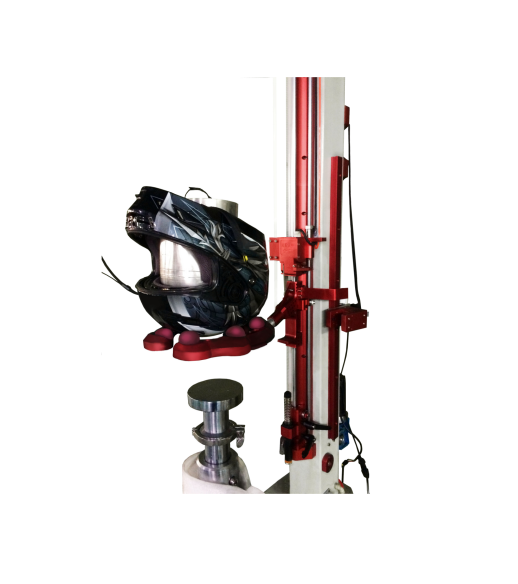
The EN 1078 helmet impact test is an important safety test for bicycle helmets, skateboard helmets and roller skate helmets. The standard EN 1078:2012+A1:2012 specifies requirements and test methods for helmet construction, shock absorption, retention systems, field of vision and marking.
EN 1078 Helmet Impact Test: Bicycle Helmet Shock Absorption Testing

Bicycle helmet compliance testing is essential for verifying helmet safety and impact protection. Learn how EN 1078, CPSC 16 CFR Part 1203, and ASTM F1447 evaluate bicycle helmet performance and why a reliable Bicycle Helmet Impact Tester is important for compliance testing.
Why Bicycle Helmet Compliance Testing Is Important

Every time a cyclist or skater puts on a helmet, they are trusting a lightweight shell to save their life. In the global market, especially in Europe, the EN 1078 standard is the definitive legal benchmark for bicycle helmets, skateboards, and roller skate headgear. Here is an inside look at how this advanced testing equipment puts helmets through their paces to meet EN 1078 certification.
Behind the Safety Shield: How a Helmet Impact Tester Ensures EN 1078 Compliance

ECE R22.06 is the latest and most stringent European safety standard for motorcycle and two-wheeler helmets. Reliable helmet test equipment is essential for manufacturers, labs, and certification bodies to verify compliance. HOTOTECH provides the ECE R22.06 helmet testing systems covering impact absorption, penetration resistance, retention system performance, and environmental conditioning.
ECE R22.06 Helmet Test Equipment: Principles & Standards