
Helmet: Your Daily Protector
author: Heather Hu
2025-04-07

Helmet: Your Daily Protector

In our bustling daily lives, filled with various forms of transportation and recreational activities, helmets play a crucial role that often goes underappreciated. A helmet is far more than just a piece of headgear; it is a daily protector that can mean the difference between a minor mishap and a life - altering injury.
The Significance of Helmet Testing
Before a helmet can be trusted to safeguard our heads, it undergoes a series of rigorous tests. Helmet testing is not a mere formality; it is the cornerstone of ensuring that these protective devices live up to their promise of safety.
Safety Standards and Regulations
Helmets must comply with specific safety standards set by national and international regulatory bodies. For example, in the United States, the Department of Transportation (DOT) has established strict requirements for motorcycle helmets. These standards cover aspects such as impact resistance, retention system strength, and penetration resistance. Helmets designed for cycling, skateboarding, and other activities also have their own sets of standards, like the CPSC (Consumer Product Safety Commission) standards for bicycle helmets in the US. Manufacturers must ensure their helmets meet these benchmarks through comprehensive testing.
Impact Testing
One of the most critical tests helmets undergo is impact testing. This mimics real - world scenarios where a helmet - wearer might experience a fall or collision. There are different types of impact tests, including drop tests. In a drop test, the helmet is dropped from a specific height onto various surfaces, such as an anvil or a surface that simulates a road. The helmet's ability to absorb and distribute the impact energy is measured. Specialized sensors are placed inside the helmet to record the acceleration forces transmitted to the head during the impact. A well - performing helmet should be able to reduce these forces to a level that minimizes the risk of brain and skull injuries.
Penetration Testing
Penetration testing is another vital part of the helmet testing process. This test checks if a sharp object, like a nail or a rock, can pierce through the helmet. In a penetration test, a weighted projectile is dropped onto the helmet from a certain height. If the projectile penetrates the helmet, it indicates that the helmet may not provide adequate protection in case of an accident involving sharp debris. Helmets that pass this test are designed to prevent penetration, ensuring that the head remains shielded from direct contact with dangerous objects.
Retention System Testing
The retention system, which includes the straps and buckles that keep the helmet in place on the head, also undergoes thorough testing. A helmet is of no use if it flies off during an impact. Retention system tests involve applying forces to simulate the sudden jolts experienced in an accident. The straps must be strong enough to keep the helmet securely on the head without causing discomfort during normal use. They should also be easy to adjust and fasten, ensuring a proper fit for a wide range of head sizes.
Protection in Commuting
Cycling to Work or School
Many of us choose cycling as a convenient and eco - friendly way to commute. However, the roads can be unpredictable. A well - fitted helmet, which has passed all the necessary tests, is your first line of defense. In case of a sudden collision with a car, a pothole that causes a fall, or a skid on a wet surface, the helmet absorbs the impact. Thanks to the impact testing it has undergone, it reduces the force that could otherwise be directly transferred to your skull, potentially preventing traumatic brain injuries and skull fractures. Even a low - speed fall can cause serious harm to your head, but a tested and approved helmet significantly minimizes the risk.
Motorcycle and Scooter Rides
For those who ride motorcycles or scooters, helmets are not just advisable but often legally required. These two - wheeled vehicles offer little protection in the event of an accident. A high - quality helmet, with features like a strong outer shell, usually made of materials such as polycarbonate, and an impact - absorbing inner foam layer, has proven its worth through extensive testing. Such helmets can reduce the risk of fatal head injuries by up to 40% in motorcycle accidents. The testing ensures that it shields your face and head from flying debris, and in the case of a crash, it helps to distribute the impact energy, protecting your brain from the severe jolts that could lead to long - term or permanent damage.
Safety in Recreational Activities
Skateboarding and Rollerblading
Skateboarding and rollerblading are popular recreational activities, especially among the youth. But they come with their fair share of risks. Helmets, which have passed the relevant tests for these activities, are essential here too. When attempting tricks or simply losing balance, a fall is inevitable at some point. A tested helmet protects your head from hard impacts on the ground. It also gives you the confidence to enjoy these activities to the fullest, knowing that you have a reliable protective shield against potential head injuries.
Biking Trails and Mountain Biking
Venturing onto biking trails or engaging in mountain biking can be an exhilarating experience. However, the uneven terrains, sudden obstacles, and high - speed descents increase the likelihood of accidents. A helmet designed for these activities, with enhanced durability and coverage, has been tested to safeguard your head. It protects against branches, rocks, and hard landings, allowing you to focus on the thrill of the ride without constantly worrying about the potential dangers to your head. The testing ensures it can withstand the unique challenges of off - road cycling.
The Psychological and Habit - Forming Benefits
Peace of Mind
Wearing a helmet that has passed strict testing provides a sense of peace of mind. Whether you're commuting to work or enjoying a weekend adventure, knowing that you have a helmet on that has been thoroughly vetted gives you the confidence to navigate through traffic or challenging terrains. You can focus on the task at hand, be it reaching your destination on time or mastering a new trail, without the constant fear of a potential head - related accident.
Setting a Good Example
Parents and adults play a crucial role in promoting helmet use. By consistently wearing tested helmets in front of children, we set a positive example. This not only protects us but also teaches kids the importance of safety from an early age. As they grow up, they are more likely to make helmet - wearing a habit, which will serve them well throughout their lives, regardless of the activities they engage in.
Conclusion
In conclusion, helmets are an integral part of our daily lives, offering protection in a wide range of activities. The extensive testing they undergo is what makes them reliable protectors. They are not an option but a necessity for anyone who values their safety. So, whether you're on a short bike ride around the block or a long - distance motorcycle journey, always remember to put on a tested and approved helmet. Protect your head, protect your life, and make helmet - wearing a daily ritual. After all, a simple act of donning a helmet can go a long way in ensuring your well - being and that of those around you.
EN 397 vs. ANSI Z89.1: Key Differences in Global Safety Helmet Testing Standards
Related Article
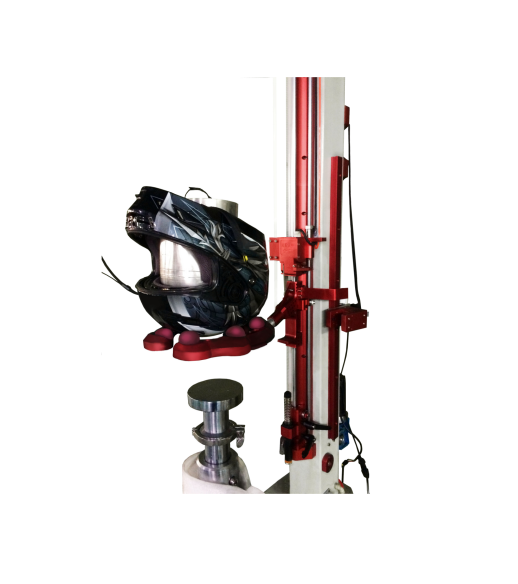
The EN 1078 helmet impact test is an important safety test for bicycle helmets, skateboard helmets and roller skate helmets. The standard EN 1078:2012+A1:2012 specifies requirements and test methods for helmet construction, shock absorption, retention systems, field of vision and marking.
EN 1078 Helmet Impact Test: Bicycle Helmet Shock Absorption Testing

Bicycle helmet compliance testing is essential for verifying helmet safety and impact protection. Learn how EN 1078, CPSC 16 CFR Part 1203, and ASTM F1447 evaluate bicycle helmet performance and why a reliable Bicycle Helmet Impact Tester is important for compliance testing.
Why Bicycle Helmet Compliance Testing Is Important

Every time a cyclist or skater puts on a helmet, they are trusting a lightweight shell to save their life. In the global market, especially in Europe, the EN 1078 standard is the definitive legal benchmark for bicycle helmets, skateboards, and roller skate headgear. Here is an inside look at how this advanced testing equipment puts helmets through their paces to meet EN 1078 certification.
Behind the Safety Shield: How a Helmet Impact Tester Ensures EN 1078 Compliance

ECE R22.06 is the latest and most stringent European safety standard for motorcycle and two-wheeler helmets. Reliable helmet test equipment is essential for manufacturers, labs, and certification bodies to verify compliance. HOTOTECH provides the ECE R22.06 helmet testing systems covering impact absorption, penetration resistance, retention system performance, and environmental conditioning.
ECE R22.06 Helmet Test Equipment: Principles & Standards