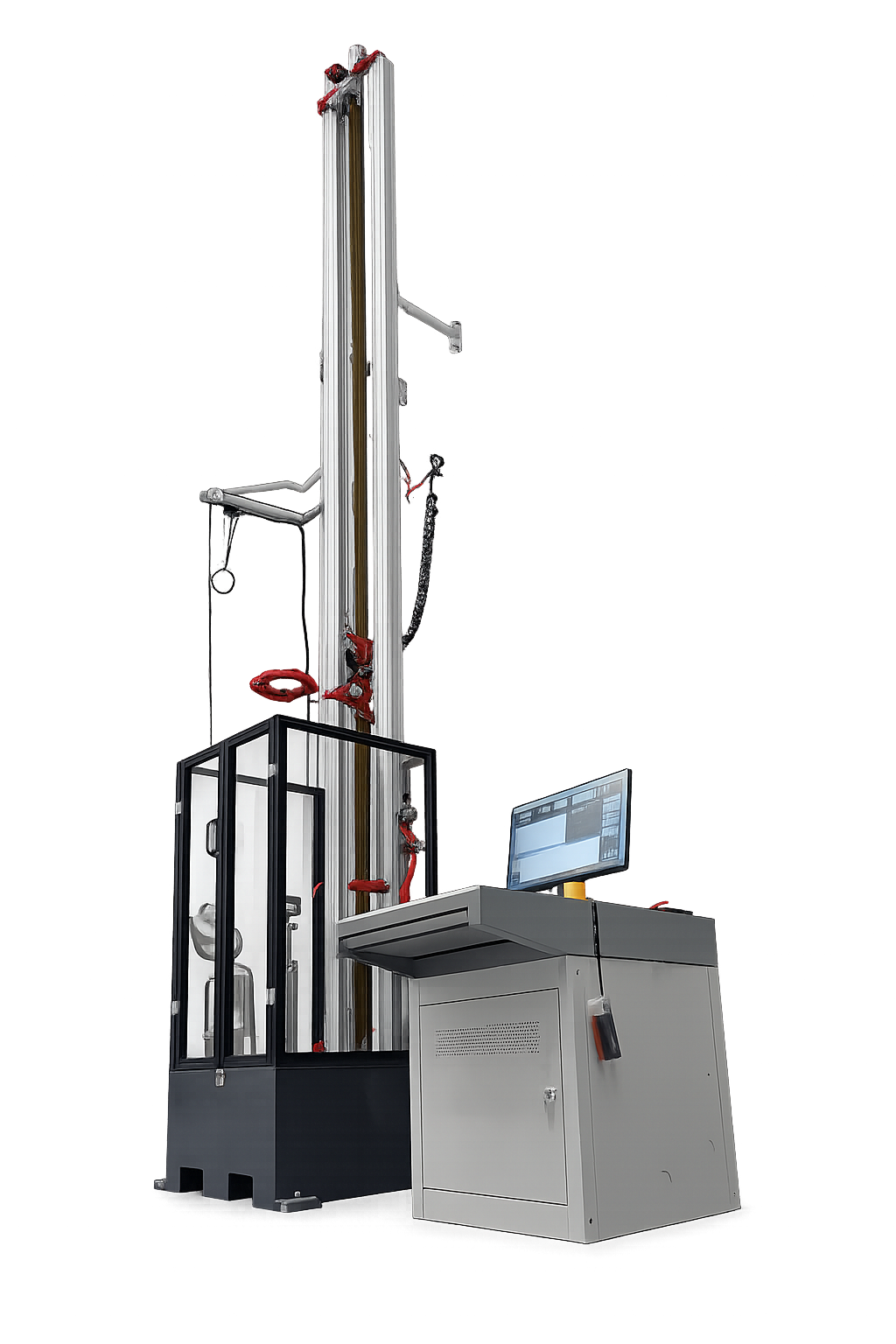
Helmet Impact Tester: Helmet Impact Testing Standards and Methods

Helmet Impact Tester: Helmet Impact Testing Standards and Methods
What Is a Helmet Impact Test?
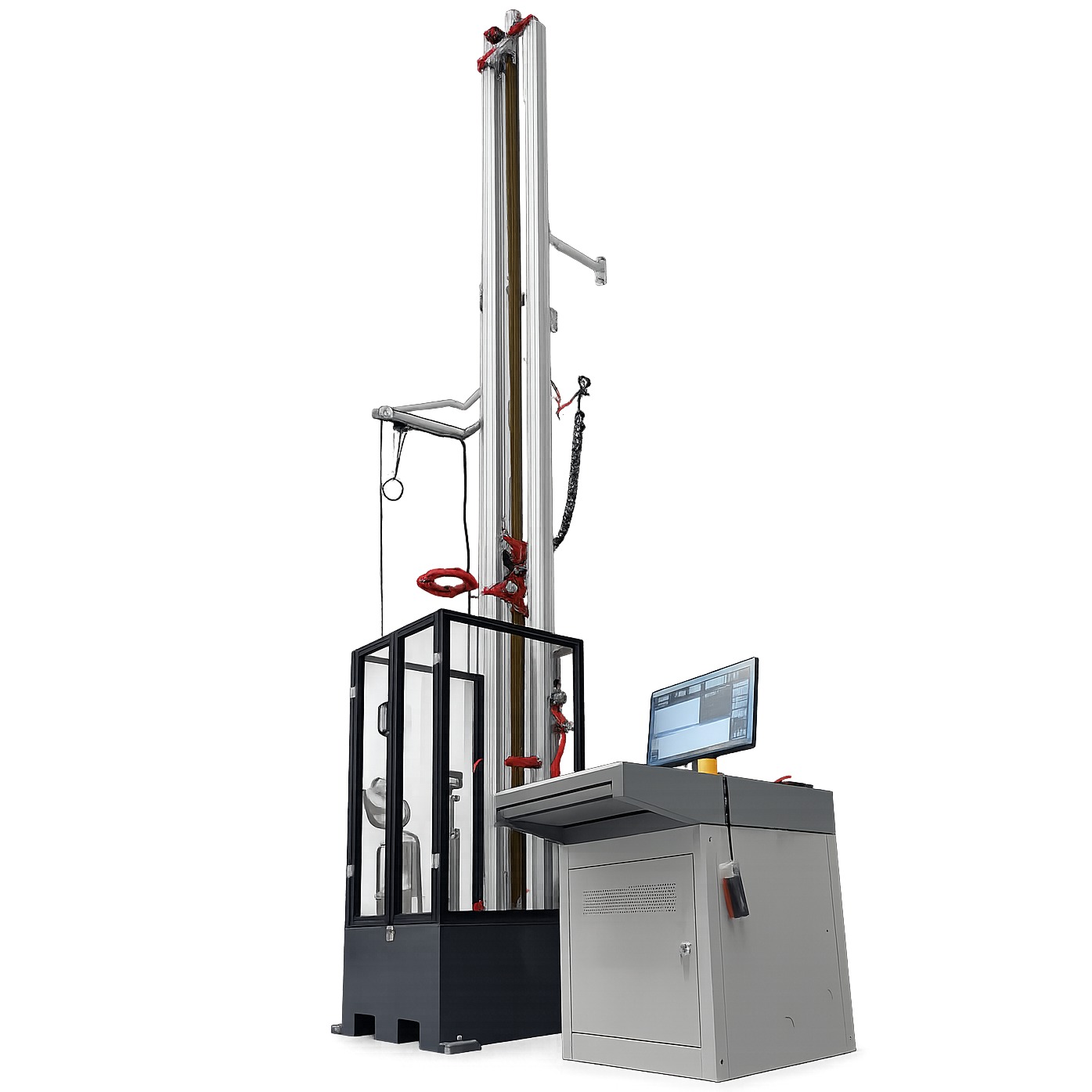
A helmet impact test typically involves mounting a helmet on a standardized headform and impacting it against a specified anvil at a controlled velocity.
The testing system measures parameters such as:
-
Impact velocity
-
Peak acceleration
-
Impact location
-
Impact energy
-
Acceleration-time response
The test results are used to determine whether the helmet meets the requirements of the applicable safety standard.
Major Helmet Impact Testing Standards
Different types of helmets and markets require different testing standards.
EN 1078
EN 1078:2012+A1:2012 applies to helmets for users of pedal cycles, skateboards and roller skates. It includes requirements for shock absorbing properties, retention systems, field of vision and other safety characteristics.
EN 1078 helmet impact testing uses specified impact conditions and anvils, with peak acceleration being one of the key evaluation parameters.
ECE R22.06
ECE R22.06 / UN Regulation No. 22 is an important regulation for motorcycle helmets.
The standard specifies impact testing using a helmeted headform, controlled impact velocity and defined impact anvils. The impact test evaluates the acceleration response of the headform during impact.
A motorcycle helmet impact tester for ECE R22.06 should therefore provide accurate impact velocity, positioning and acceleration measurement.
16 CFR Part 1203
16 CFR Part 1203 – Safety Standard for Bicycle Helmets is the U.S. mandatory safety standard for bicycle helmets.
It includes impact attenuation, positional stability and retention system tests. During impact attenuation testing, the peak acceleration transmitted to the headform is measured.
ASTM F1447 and ASTM F1446
ASTM F1447-24 covers helmets used for recreational bicycling and roller skating, while ASTM F1446 provides test methods for protective headgear.
These standards are commonly referenced for bicycle helmet impact performance and laboratory testing.
How Does a Helmet Impact Tester Work?
A typical helmet impact testing machine consists of:
-
Standard headform – supports the helmet during testing.
-
Impact anvil – provides the specified impact surface.
-
Impact or drop system – controls the impact velocity.
-
Acceleration sensor – measures acceleration during impact.
-
Data acquisition system – records and analyzes test results.
Different anvils, headforms and impact conditions can be configured according to the applicable helmet testing standard.
Why Is Helmet Impact Testing Important?
Helmet appearance alone cannot determine its protective performance. Impact testing provides objective and repeatable data for:
-
Helmet safety verification
-
Product development
-
Quality control
-
Certification testing
-
Regulatory compliance
-
Laboratory research
For helmet manufacturers and testing laboratories, selecting a helmet impact tester that matches the required testing standard is essential for obtaining reliable test results.
Conclusion
A professional helmet impact testing machine provides controlled impact conditions and accurate acceleration measurement for helmet safety evaluation.
Whether you need EN 1078 helmet testing, ECE R22.06 motorcycle helmet testing, 16 CFR Part 1203 bicycle helmet testing, or ASTM helmet testing, the equipment should be configured according to the specific standard and helmet type.
Understanding the EN 397 Safety Helmet Impact Testing Machine: A Complete Guide