Understanding the EN 397 Safety Helmet Impact Testing Machine: A Complete Guide

Understanding the EN 397 Safety Helmet Impact Testing Machine: A Complete Guide

In this guide, we’ll break down what an EN 397 impact testing machine is, how the test works, key performance standards, and what features to look for when choosing test equipment for your facility.
What is an EN 397 Helmet Impact Testing Machine?
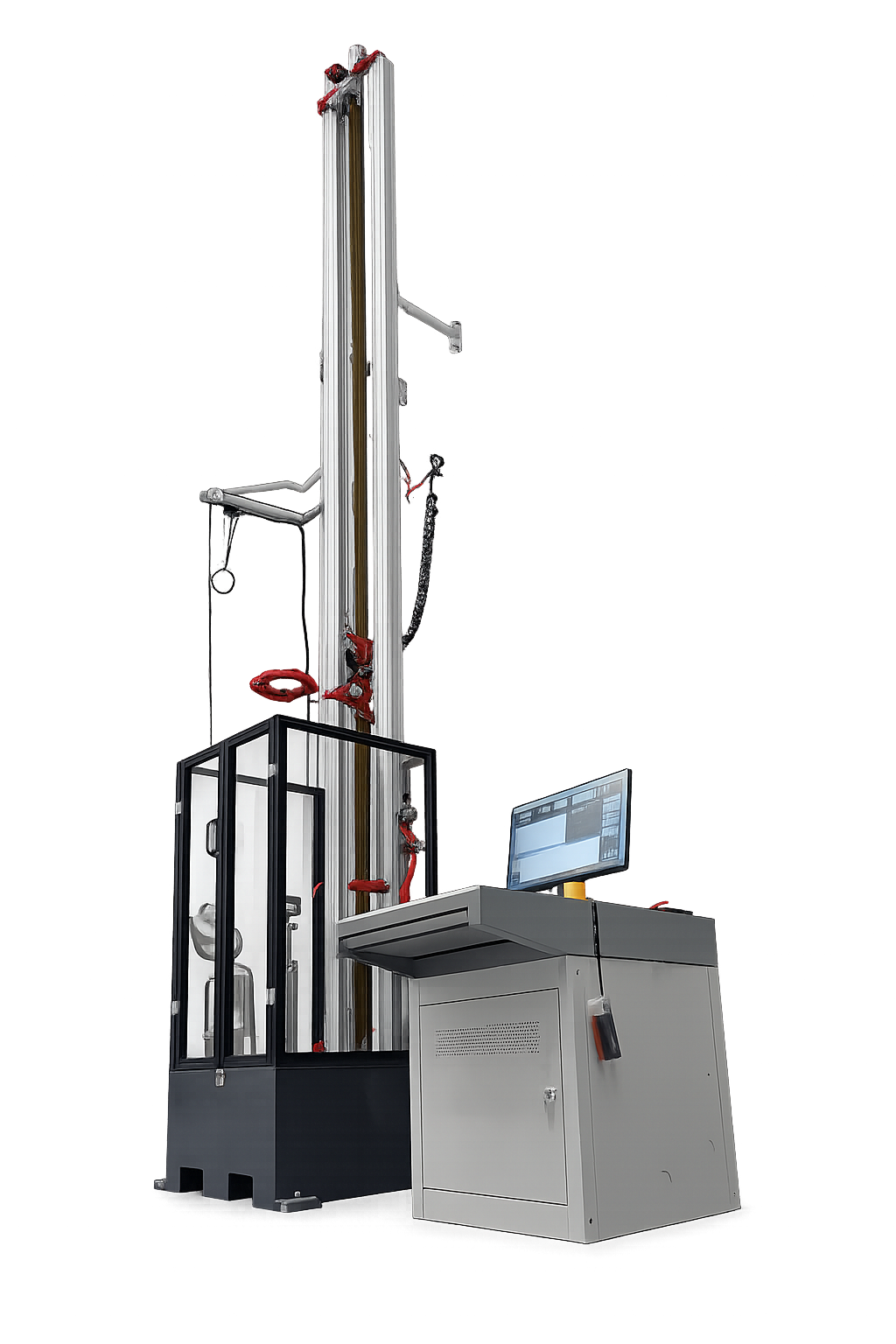
An EN 397 helmet impact testing machine (also known as a safety helmet shock absorption testing apparatus) is designed to measure the force transmitted to a headform when an object drops onto a protective helmet.
Under the European standard EN 397 (Industrial safety helmets), protective headwear must absorb energy during an impact to prevent severe head and brain injuries. The impact testing machine simulates field conditions to verify whether the helmet’s shell and harness suspension system perform within acceptable safety thresholds.
Core Testing Requirements: Shock Absorption vs. Penetration
The EN 397 standard specifies two primary dynamic testing procedures using dynamic impact apparatus:
1. Shock Absorption Test (Impact Protection)
-
Objective: Measures the peak force transmitted to the headform.
-
Procedure: A striker (typically a 5 kg hemispherical striker) is dropped from a specified height (usually 1 meter) onto the helmet mounted on a calibrated headform.
-
Pass Criteria: The maximum force transmitted to the headform must not exceed 5.0 kN.
2. Penetration Test (Resistance to Sharp Objects)
-
Objective: Ensures sharp or pointed objects will not pierce the helmet shell and contact the skull.
-
Procedure: A sharp conical striker (3 kg with a 60° point angle) drops from 1 meter onto the helmet crown.
-
Pass Criteria: The point of the striker must not make contact with the surface of the headform underneath.
Key Features of a High-Quality EN 397 Impact Tester
When evaluating safety helmet testing apparatus for your quality control laboratory or manufacturing facility, look for these critical components:
-
Precision Load Cells: High-response force sensors capable of sampling peak dynamic loads with high accuracy.
-
Standardized Headforms: Metallic headforms conforming strictly to EN 960 standard sizes (e.g., sizes 545, 575, or 605 mm).
-
Automated Drop System: Electromagnet drop mechanism with automated height adjustment to minimize human error.
-
Data Acquisition Software: Software that automatically records force-time curves, calculates peak values, and generates compliant test reports.
-
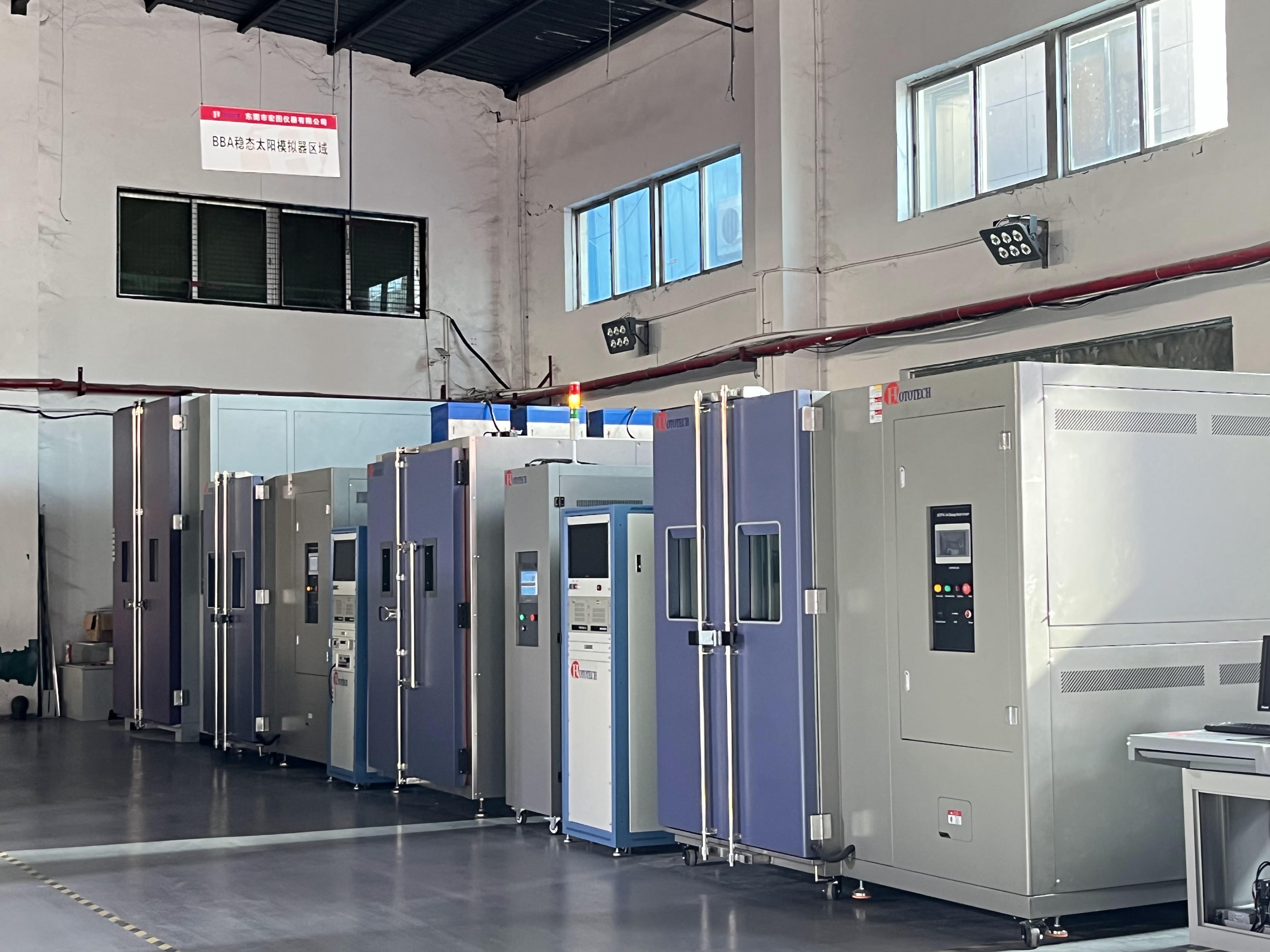
Environmental Pre-conditioning Capability: High-performance labs often pair the tester with pre-conditioning chambers to test helmets exposed to high temperatures (+50°C), low temperatures (-10°C or -30°C), or water immersion prior to impact.
Why Is EN 397 Compliance Essential for Manufacturers?
Compliance with EN 397 is mandatory for selling industrial safety helmets in the European Union (CE marking) and is widely recognized across global markets.
Investing in a reliable, high-precision EN 397 shock absorption and penetration tester allows manufacturers to:
-
Ensure 100% compliance during standard factory production control (FPC).
-
Speed up new product R&D and material testing.
-
Avoid costly product recalls and compliance penalties.
Looking for Reliable Helmet Testing Equipment?
At HOTOTECH, we manufacture fully compliant EN 397 safety helmet impact and penetration testing machines engineered for accuracy, durability, and seamless operation. Contact our technical team today to request a quotation or custom testing solution for your laboratory.
Helmet Impact Tester: Helmet Impact Testing Standards and Methods
Why ECE R22.06 Standard Matters for Helmet Safety Testing