ECE 22.06 Testing Equipment: Everything You Need to Know
ECE 22.06 Testing Equipment: Everything You Need to Know
As motorcycle helmet safety standards continue to evolve, ECE 22.06 has become the most advanced and widely recognized helmet certification standard in Europe and many international markets. For helmet manufacturers, testing laboratories, certification bodies, and quality control departments, investing in compliant ECE 22.06 testing equipment is essential for market access and product safety validation.
This article explains the ECE 22.06 standard, required test procedures, and the testing equipment needed to build a professional helmet testing laboratory.
What Is ECE 22.06?
ECE 22.06 is the latest motorcycle helmet regulation issued by the United Nations Economic Commission for Europe (UNECE). It replaces the previous ECE 22.05 standard and introduces more stringent testing requirements to better simulate real-world accident conditions.
Compared with ECE 22.05, the ECE 22.06 standard includes:
- More impact test locations
- Multiple impact velocities
- Rotational impact testing
- Enhanced visor testing requirements
- Testing with helmet accessories installed
- Stricter safety performance criteria
Today, ECE 22.06 certification is required for motorcycle helmets sold across most European markets and is increasingly recognized worldwide.
Why Is ECE 22.06 Important for Helmet Manufacturers?
Modern accident research has shown that many traumatic brain injuries are caused not only by direct impacts but also by rotational forces acting on the head during crashes.
To address these risks, ECE 22.06 introduces advanced testing methods that evaluate both linear and rotational acceleration. As a result, manufacturers must redesign products and upgrade laboratory capabilities to meet the new certification requirements.
This growing demand has significantly increased interest in:
- ECE 22.06 testing equipment
- Helmet impact testing machines
- Rotational impact test systems
- Helmet certification laboratory solutions
- Motorcycle helmet testing equipment
Main Tests Required Under ECE 22.06
1. Impact Absorption Test

During testing, the helmet mounted on a standard headform is dropped onto different anvils at specified velocities. Sensors measure the acceleration transmitted to the headform.
The updated ECE 22.06 regulation requires:
- Low-speed impacts
- Medium-speed impacts
- High-speed impacts
- Additional impact locations
Required Equipment
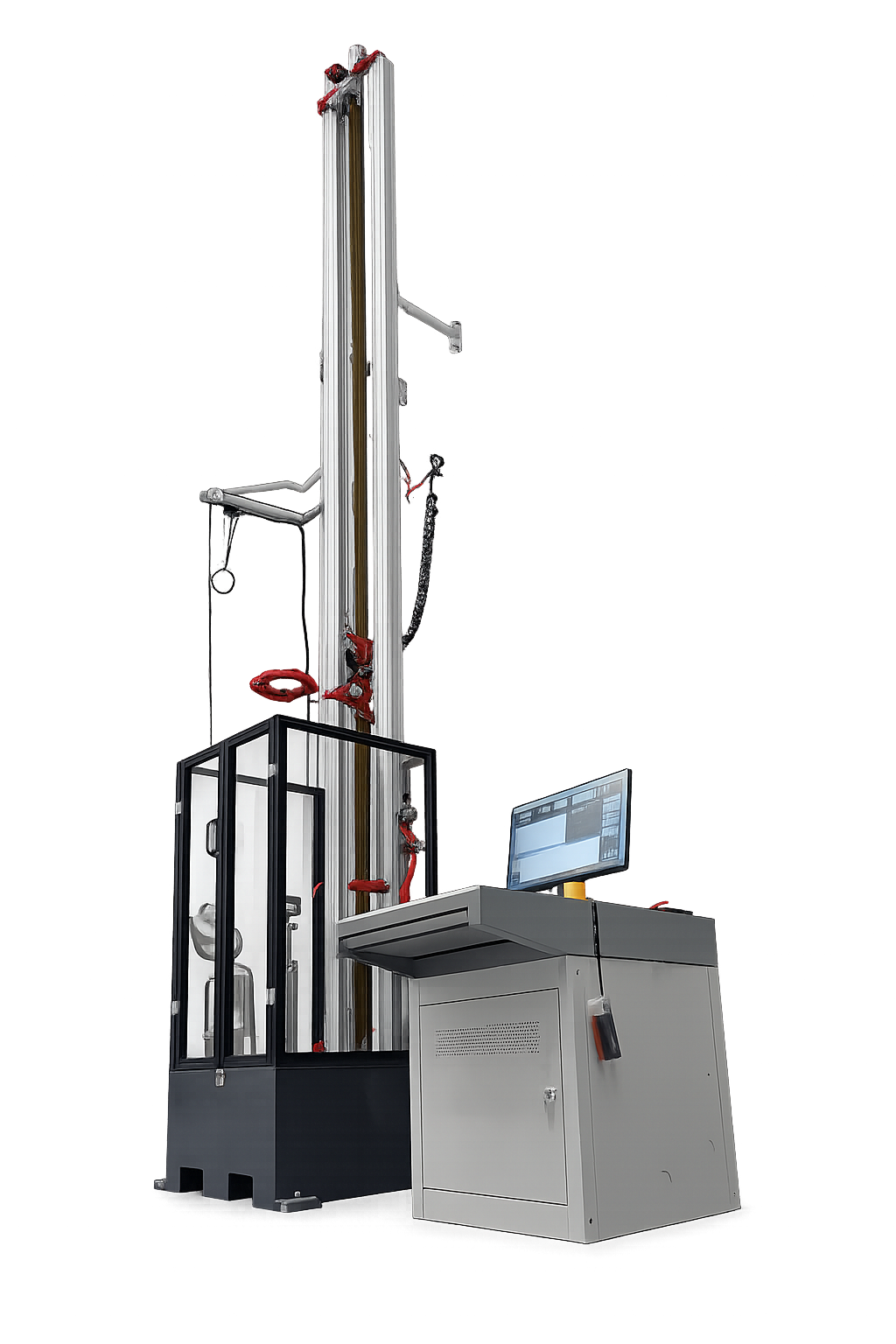
- Helmet impact testing machine
- Drop test system
- Headform assembly
- Data acquisition system
- Acceleration sensors
2. Rotational Impact Test
Real-world motorcycle accidents often involve oblique impacts rather than perfectly vertical collisions. These impacts generate rotational forces that can contribute to severe brain injuries.
The rotational impact test evaluates:
- Angular acceleration
- Angular velocity
- Brain injury criteria (BrIC)
Required Equipment
- ECE 22.06 rotational impact test system
- Oblique anvil
- Angular velocity sensors
- High-speed data acquisition system
- BrIC analysis software
Popular Search Terms
- Rotational impact test equipment
- Helmet rotational testing machine
- ECE 22.06 oblique impact tester
- Helmet angular acceleration measurement system
3. Penetration Test
The penetration test evaluates a helmet's resistance to sharp object impacts.
This test verifies:
- Shell strength
- Structural integrity
- Energy absorption performance
Required Equipment
- Helmet penetration testing machine
- Guided striker system
- Measurement and recording software
4. Visor Impact Test
ECE 22.06 introduces stricter visor safety requirements.
The visor must withstand high-speed projectile impacts without shattering or penetrating.
Testing typically includes:
- Steel ball impact testing
- High-speed projectile testing
- Fragmentation resistance evaluation
Required Equipment
- Visor impact testing machine
- Projectile launching system
- Optical inspection equipment
5. Visor Abrasion Test
Helmet visors must maintain clear visibility throughout their service life.
Abrasion testing evaluates the visor's resistance to scratching and surface wear.
Required Equipment
- Visor abrasion testing machine
- Optical transmission measurement system
- Surface quality inspection equipment
6. Retention System Test

The test measures:
- Strap elongation
- Dynamic load resistance
- Failure strength
Required Equipment
- Helmet retention testing machine
- Tensile testing system
- Dynamic loading apparatus
ECE 22.05 vs ECE 22.06 Testing Equipment
Many helmet manufacturers are searching for:
- ECE 22.05 laboratory upgrade
- ECE 22.06 testing system
- ECE 22.06 equipment requirements
The biggest difference between the two standards is the introduction of rotational impact testing.
While most ECE 22.05 laboratories already possess impact testing machines and penetration testing systems, ECE 22.06 requires additional equipment, including:
- Oblique impact test anvils
- Rotational acceleration measurement systems
- Angular velocity sensors
- Advanced data analysis software
As a result, many existing helmet testing laboratories are upgrading their facilities to comply with the latest regulations.
Choosing the Right ECE 22.06 Testing Equipment Supplier
When selecting an ECE 22.06 testing equipment manufacturer, consider the following factors:
Compliance
Ensure the equipment is specifically designed to meet ECE 22.06 requirements and testing procedures.
Accuracy
Look for high-precision sensors and reliable data acquisition systems that provide repeatable test results.
Automation
Automated test control and reporting can significantly improve laboratory efficiency.
Technical Support
Choose a supplier that offers:
- Installation services
- Calibration support
- Training programs
- After-sales technical assistance
Custom Laboratory Solutions
Many manufacturers require turnkey laboratory projects that include:
- Equipment supply
- Laboratory design
- System integration
- Accreditation support
Future Trends in Helmet Testing
As helmet safety technology continues to advance, testing laboratories are increasingly adopting:
- Smart data acquisition systems
- Automated impact testing equipment
- Advanced rotational injury analysis
- Digital laboratory management systems
- AI-assisted test data evaluation
The demand for advanced helmet testing equipment and ECE 22.06 certification systems is expected to grow significantly as global safety regulations become more rigorous.
Conclusion
ECE 22.06 represents a major advancement in motorcycle helmet safety standards. The introduction of rotational impact testing and stricter performance requirements has transformed the way helmets are designed, tested, and certified.
For helmet manufacturers, certification bodies, and testing laboratories, investing in reliable ECE 22.06 testing equipment is critical for achieving compliance, improving product quality, and gaining access to international markets.
Whether you are planning a new helmet testing laboratory or upgrading an existing ECE 22.05 facility, selecting the right ECE 22.06 testing machines will help ensure accurate testing, regulatory compliance, and long-term operational success.
PV Modules UV Preconditioning Test Chamber
Navigating ECE R22.06: Crucial Motorcycle Helmets Test Equipment for Global Compliance