Navigating ECE R22.06: Crucial Motorcycle Helmets Test Equipment for Global Compliance

Navigating ECE R22.06: Crucial Motorcycle Helmets Test Equipment for Global Compliance
As the global motorcycle helmet industry moves forward, safety standards are becoming tighter than ever. The transition from the old ECE 22.05 to the current ECE R22.06 standard marks the most significant regulatory overhaul in two decades. For helmet manufacturers, testing laboratories, and quality control managers, this shift is not just a regulatory update—it is a complete technical revolution that demands advanced, high-precision laboratory testing setups.
To help your production line stay compliant and competitive in the global market, this blog provides a deep dive into the mandatory ECE 06 testing protocols and the essential motorcycle helmets test equipment required to achieve certification.

What Makes ECE R22.06 So Much Stricter?
The ECE R22.06 standard significantly raises the bar for rider safety by introducing a wider range of testing conditions. Unlike its predecessor, ECE 06 ensures that a helmet protects the brain not just from straight-line impacts, but from a complex array of real-world accident scenarios.
The three major testing upgrades include:
1. Linear Impact Tests at Varying Velocities
Under ECE 22.05, helmets were only tested at a single, high impact speed. ECE 06 introduces both higher and lower velocity linear impact tests. This ensures the helmet shell and EPS lining absorb energy effectively during minor tumbles as well as high-speed crashes.
2. Rotational Acceleration Test (The Biggest Update)
In real motorcycle accidents, impacts rarely occur at a perfect 90-degree angle. Oblique impacts cause the head to twist violently, leading to severe rotational brain injuries (such as diffuse axonal injury). ECE 06 introduces a mandatory oblique impact test using a 45-degree anvil covered in abrasive paper to measure rotational acceleration.
3. Expanded Impact Points & Accessories Testing
The standard increases the number of designated impact points across the helmet shell. Furthermore, helmets must now be certified with official accessories attached—such as sun visors, spoilers, and intercom systems—to ensure they do not compromise structural integrity.
Essential Motorcycle Helmets Test Equipment for ECE 06
To legally enter Europe and over 50 other countries adhering to United Nations regulations, executing a rigorous helmet test in your factory lab is mandatory. Below is the core equipment you need to invest in:
🛠️ 1. Helmet Oblique (Rotational) Impact Tester
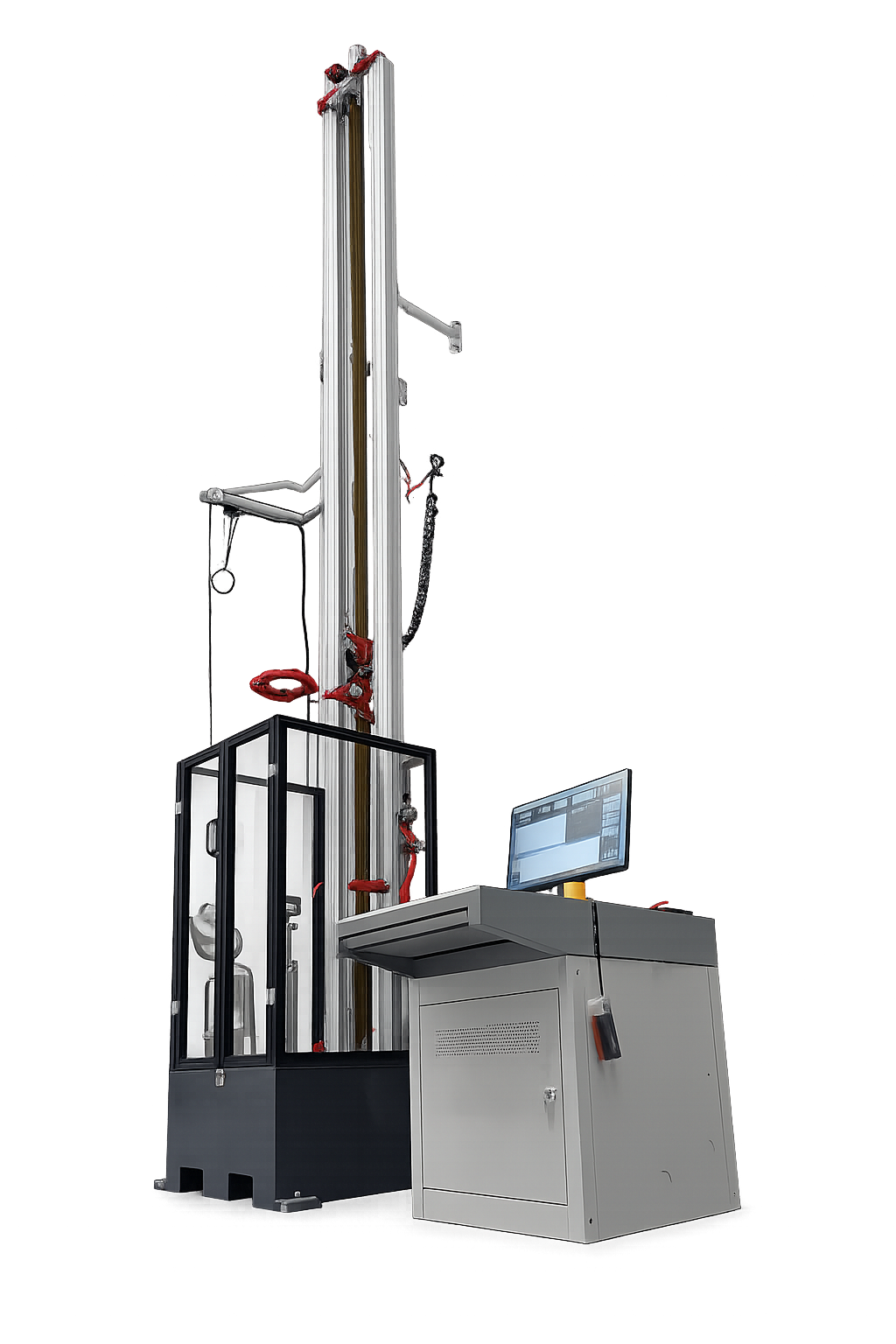
This is the absolute centerpiece of ECE R22.06 compliance. Traditional drop towers only measure linear force. An ECE 06 compliant rotational tester features a specialized drop guide system and a 45° angled anvil. It measures the headform's rotational acceleration and brain injury criteria (HIC) via highly sensitive triaxial accelerometers and angular rate sensors.
🛠️ 2. Multi-Functional Helmet Drop Testing Machine
To handle the variable speed linear impact tests, you need a high-precision guided drop tower. This equipment allows operators to easily adjust drop heights to achieve precise low-velocity ($4.5 \text{ m/s}$), standard-velocity ($7.5 \text{ m/s}$), and high-velocity ($8.2 \text{ m/s}$) impacts on flat, kerbstone, or specialized anvils.
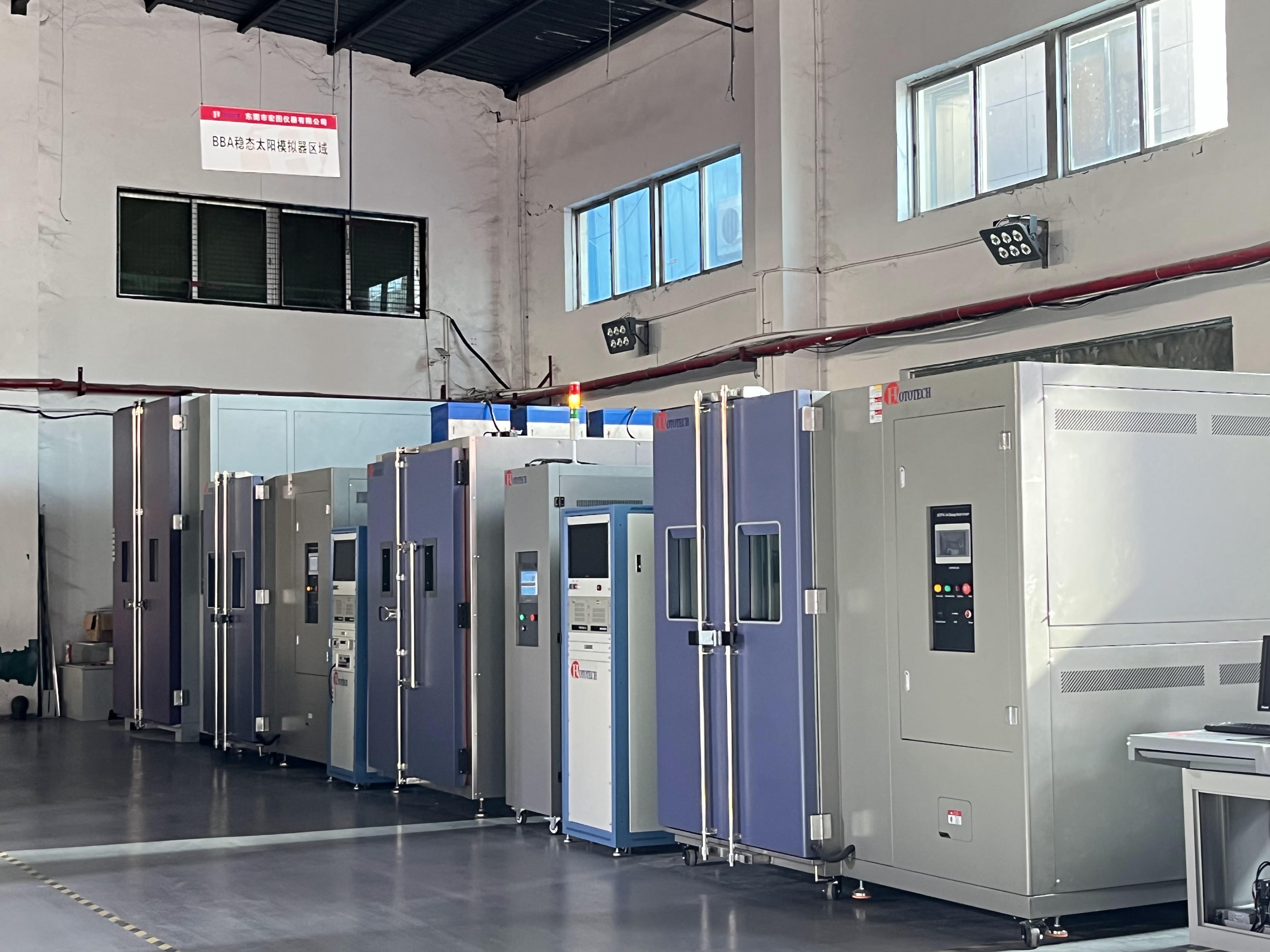
🛠️ 3. Advanced Environmental Conditioning Chambers
Before any helmet test is conducted, ECE 06 requires specimens to undergo strict environmental conditioning. Helmets must be pre-conditioned under diverse extreme climates:
-
High Temperature
-
Low Temperature
-
UV and Moisture:
-
Investing in a reliable climate chamber ensures your raw materials (like ABS, Polycarbonate, or Carbon Fiber) perform consistently under global weather extremes.
🛠️ 4. Retention System & Roll-off Tester
A helmet is only useful if it stays on the rider's head. ECE 06 outlines strict dynamic tests for the chin strap retention system. A specialized retention tester applies sudden dynamic loads to check strap elongation, while a roll-off (detaching) tester ensures the helmet won't slip forward off the headform during an impact.
Why Upgrading Your Factory Lab Matters
Relying solely on third-party certification labs like SGS or TUV can slow down your product launch cycle and dramatically increase R&D costs. By setting up an in-house lab equipped with state-of-the-art motorcycle helmets test equipment, you can:
-
Accelerate R&D: Instantly test new EPS densities or shell aerodynamic shapes.
-
Guarantee Batch Consistency: Implement bulletproof QA/QC before shipping bulk container orders to international distributors.
-
Enhance B2B Trust: Show global buyers and premium helmet brands that your factory operates on a scientific, data-driven level of quality control.
Partner with a Trusted Testing Equipment Expert
Adapting to ECE R22.06 is a challenge, but it is also a massive market opportunity for high-quality manufacturers. At [Your Brand/Company Name], we manufacture and supply a comprehensive suite of advanced, standard-compliant motorcycle helmets test equipment—including ECE R22.06 impact towers, DOT compliance rigs, and retention apparatuses.
ECE 22.06 Testing Equipment: Everything You Need to Know
Understanding EN 397: The Shield of Industrial Safety and How to Ensure Compliance