
High Velocity Particle Impact Testing: How to Evaluate Helmet Visor Protection
2026-11-20
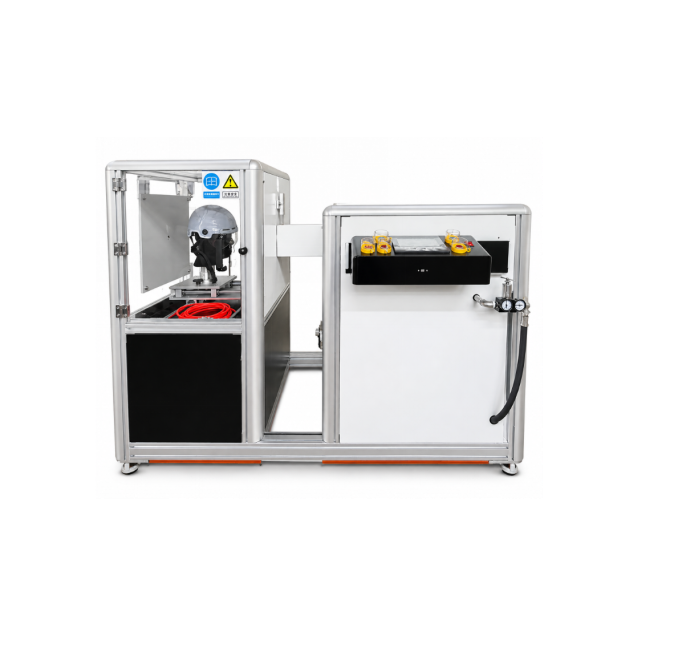
High Velocity Particle Impact Testing: How to Evaluate Helmet Visor Protection
1. What Is High Velocity Particle Impact Testing?
High Velocity Particle Impact Testing is an important method for evaluating the impact resistance and protective performance of transparent protective materials.
It is commonly used to assess helmet visors, safety face shields, protective eyewear, and other transparent protective components.
During high velocity particle impact testing, a projectile, typically a steel ball or another specified impact object, is launched toward the test specimen at a controlled speed. The test evaluates how well the protective material withstands high-speed impacts.
For helmet manufacturers, protective equipment laboratories, and quality inspection organizations, this test helps determine whether a visor can provide reliable protection against high-speed flying particles.
2. Why Is Helmet Visor Impact Testing Important?
Helmet visors are designed to protect the face and eyes from external hazards, including flying debris, small particles, and other potential impact objects.
However, ordinary visual inspection cannot accurately determine the impact resistance of a visor.
Helmet Visor Impact Testing provides a controlled testing method to evaluate important performance characteristics, including:
- Impact resistance under specified velocities.
- Cracking or breaking of the visor material.
- Penetration resistance against specified projectiles.
- Structural integrity after impact.
- Potential damage that may affect protective performance.
- Cracking or breaking of the visor material.
- Penetration resistance against specified projectiles.
- Structural integrity after impact.
- Potential damage that may affect protective performance.
These evaluations help manufacturers improve product quality and verify that their protective visors meet applicable testing requirements.
3. How Does a High Velocity Particle Impact Test Work?
A High Velocity Particle Impact Tester generally consists of a projectile launching system, velocity measurement system, specimen fixture, and control system.
The basic testing procedure includes:
Step 1: Specimen Installation
The helmet visor or face shield is securely mounted on the specified fixture according to the applicable testing requirements.
Step 2: Projectile Preparation
The specified projectile, such as a steel ball, is loaded into the launching system.
Step 3: Velocity Setting
The required impact velocity is configured according to the relevant testing standard or customer requirements.
Step 4: High-Speed Impact
The projectile is launched toward the test specimen at the specified velocity.
Step 5: Result Evaluation
After impact, the specimen is inspected for cracking, penetration, deformation, or other damage specified by the applicable test method.
The test results help evaluate the protective performance of the visor under controlled impact conditions.
4. What Products Can Be Tested?
High velocity particle impact testing is not limited to motorcycle helmet visors. It can also be used for various transparent protective products, depending on the applicable test method and fixture configuration.
Typical applications include:
- Motorcycle helmet visors.
- Industrial safety helmet face shields.
- Protective face shields.
- Safety goggles and protective eyewear.
- Transparent protective panels.
- Other impact-resistant transparent materials.
- Industrial safety helmet face shields.
- Protective face shields.
- Safety goggles and protective eyewear.
- Transparent protective panels.
- Other impact-resistant transparent materials.
Different products may require different specimen fixtures, projectile specifications, and impact velocities.
5. How to Choose the Right Helmet Visor Testing Equipment?
When selecting Helmet Visor Testing Equipment, manufacturers and testing laboratories should consider several important factors:
Impact Velocity Range
The equipment should support the impact velocity required by the relevant testing standard.
Projectile Specifications
Different testing methods may require different projectile materials, diameters, and weights.
Velocity Measurement Accuracy
A reliable velocity measurement system is essential for verifying the actual projectile speed during testing.
Specimen Fixture Design
The fixture should securely hold different types of visors or face shields while meeting the specified testing conditions.
Customized Testing Solutions
For laboratories and manufacturers working with multiple product types or international standards, customized testing equipment can provide greater flexibility.
6. HOTOTECH High Velocity Particle Impact Testing Solutions
HOTOTECH specializes in the development and manufacturing of physical testing equipment for protective products.
Our High Velocity Particle Impact Testing Machine is designed for evaluating the impact resistance of helmet visors, protective face shields, safety goggles, and other transparent protective components.
With extensive experience in customized testing equipment, HOTOTECH provides solutions based on different testing standards, specimen configurations, projectile specifications, and customer requirements.
Our technical team can assist customers with equipment configuration, testing fixture design, and technical support.
If you are looking for a reliable High Velocity Particle Impact Tester for helmet visor or face shield testing, contact HOTOTECH to discuss your testing requirements.
High Velocity Particle Impact Testing: Testing Safety Glasses and Face Shields
Related Article

Learn how high velocity particle impact testing evaluates safety glasses, goggles, and face shields. Discover testing methods, ANSI Z87.1 requirements, and HOTOTECH testing equipment.
High Velocity Particle Impact Testing: Testing Safety Glasses and Face Shields
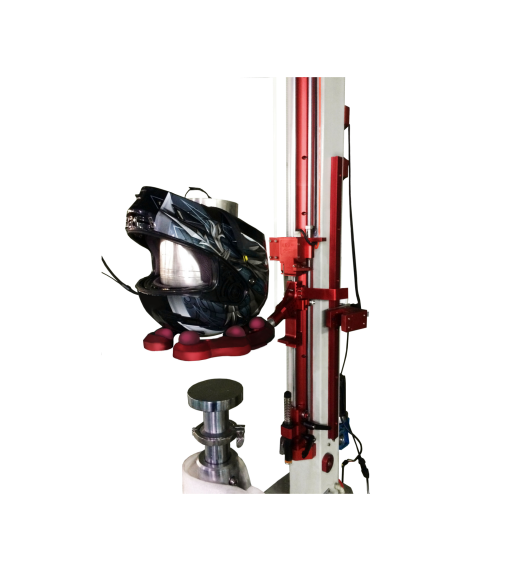
The EN 1078 helmet impact test is an important safety test for bicycle helmets, skateboard helmets and roller skate helmets. The standard EN 1078:2012+A1:2012 specifies requirements and test methods for helmet construction, shock absorption, retention systems, field of vision and marking.
EN 1078 Helmet Impact Test: Bicycle Helmet Shock Absorption Testing
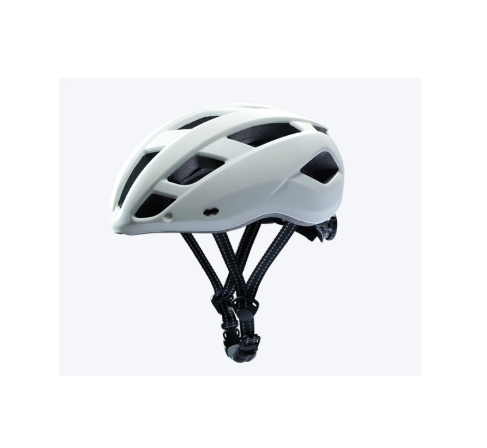
Bicycle helmet compliance testing is essential for verifying helmet safety and impact protection. Learn how EN 1078, CPSC 16 CFR Part 1203, and ASTM F1447 evaluate bicycle helmet performance and why a reliable Bicycle Helmet Impact Tester is important for compliance testing.
Why Bicycle Helmet Compliance Testing Is Important

Every time a cyclist or skater puts on a helmet, they are trusting a lightweight shell to save their life. In the global market, especially in Europe, the EN 1078 standard is the definitive legal benchmark for bicycle helmets, skateboards, and roller skate headgear. Here is an inside look at how this advanced testing equipment puts helmets through their paces to meet EN 1078 certification.
Behind the Safety Shield: How a Helmet Impact Tester Ensures EN 1078 Compliance