
EL Testing Equipment: Why Electroluminescence Testing Matters in Solar Cell Manufacturing
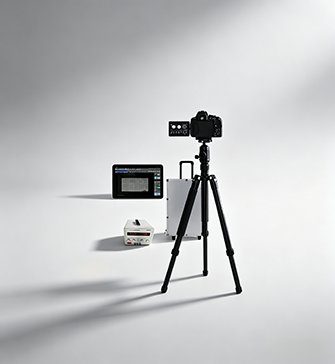
EL Testing Equipment: Why Electroluminescence Testing Matters in Solar Cell Manufacturing

What Defects Can EL Testing Detect?
An advanced electroluminescence testing system can identify:
- Microcracks
- Broken cells
- Finger interruptions
- Dark or inactive areas
- Cell mismatch
- Manufacturing defects
Early defect detection helps manufacturers improve product quality, reduce production losses, and increase module reliability.
Applications of EL Testing Equipment
EL inspection systems are widely used in:
- Solar cell production lines
- PV module manufacturing
- Quality control laboratories
- Solar panel reliability testing
- Research and development centers
Many manufacturers perform EL testing before and after lamination to ensure consistent product performance.
Key Advantages of EL Inspection
- Non-destructive testing
- High defect detection accuracy
- Fast inspection speed
- Improved production yield
- Reduced warranty risks
- Support for automated quality control
With the rapid adoption of TOPCon, HJT, and other high-efficiency solar technologies, automated EL testing equipment is becoming a standard solution for modern photovoltaic manufacturing.
Conclusion
EL testing equipment plays a critical role in solar cell and PV module quality control. By detecting hidden defects such as microcracks and broken cells, electroluminescence testing systems help manufacturers improve efficiency, reliability, and overall product performance.
For solar manufacturers seeking higher production quality and lower failure rates, investing in a reliable solar cell EL tester is a key step toward maintaining a competitive advantage in the global photovoltaic market.
How an IV Tester Reveals the True Power of Solar Cells

