PV Module Wet Leakage Current Test: Principle, Procedure and Testing Equipment
PV Module Wet Leakage Current Test: Principle, Procedure and Testing Equipment

1. What Is a PV Module Wet Leakage Current Test?
The PV module wet leakage current test is an important electrical safety test used to evaluate the insulation performance of photovoltaic (PV) modules under wet conditions.
During outdoor operation, solar panels are continuously exposed to rain, fog, dew, humidity, and melted snow. If moisture penetrates the module structure, it may reduce electrical insulation performance and create potential risks such as leakage current, corrosion, ground faults, and electric shock.
The wet leakage current test simulates these wet environmental conditions to determine whether the insulation between the module's internal electrical circuits and its external surfaces remains effective.
This test is specified in IEC 61215-2, MQT 15 (Wet Leakage Current Test) and is an important part of PV module design qualification and reliability evaluation.
2. Why Is Wet Leakage Current Testing Important for Solar Panels?
Solar modules are designed for long-term outdoor operation. Their electrical insulation must remain reliable even when exposed to moisture.
The PV wet leakage current test helps manufacturers and testing laboratories evaluate:
-
Electrical Insulation Performance: Checks whether the module maintains adequate insulation under wet conditions.
-
Moisture Resistance: Evaluates the potential impact of water penetration on electrical safety.
-
Leakage Current Risk: Identifies potential insulation defects that may cause electrical leakage.
-
Product Safety and Reliability: Helps verify the electrical safety performance of photovoltaic modules.
For solar panel manufacturers, this test is particularly important for product quality control, design verification, and international certification testing.
3. Which Standards Apply to PV Module Wet Leakage Current Testing?
The primary international standard for this test is:
IEC 61215-2:2021 – Terrestrial Photovoltaic (PV) Modules – Design Qualification and Type Approval – Part 2: Test Procedures
The relevant test is:
-
Test Name: Wet Leakage Current Test
-
Test Number: MQT 15
-
Standard: IEC 61215-2
-
Test Objective: Evaluation of electrical insulation under wet operating conditions.
The test evaluates whether moisture from rain, fog, dew, or melted snow can compromise the insulation of the PV module.
Depending on the applicable certification requirements, related electrical safety evaluations may also refer to IEC 61730.
4. How Does a PV Module Wet Leakage Current Test Work?
The basic principle of a wet leakage current test is to expose the photovoltaic module to a conductive water solution and apply a specified DC test voltage between the module's short-circuited output terminals and the conductive solution.
The testing system measures the insulation resistance or leakage current to evaluate the electrical insulation performance of the module.
The main testing process includes:
Step 1: Prepare the Water Solution
Prepare a water and wetting-agent solution according to the applicable standard requirements. The solution must meet the specified resistivity and temperature conditions.
Step 2: Place the PV Module in the Water Tank
Position the photovoltaic module horizontally in the test tank. The solution should wet the required module surfaces, while the junction box entries are kept above the solution.
Step 3: Connect the Electrical Circuit
Short-circuit the PV module output terminals and connect them to one terminal of the DC voltage source. Connect the conductive solution to the other terminal through a suitable metallic conductor.
Step 4: Apply the Test Voltage
Apply the specified DC test voltage according to the module's rated system voltage and the applicable IEC 61215-2 requirements.
Step 5: Measure Insulation Performance
Measure the insulation resistance or leakage current during the test period and evaluate the results against the standard's acceptance criteria.
5. What Is a PV Module Wet Leakage Current Test Machine?
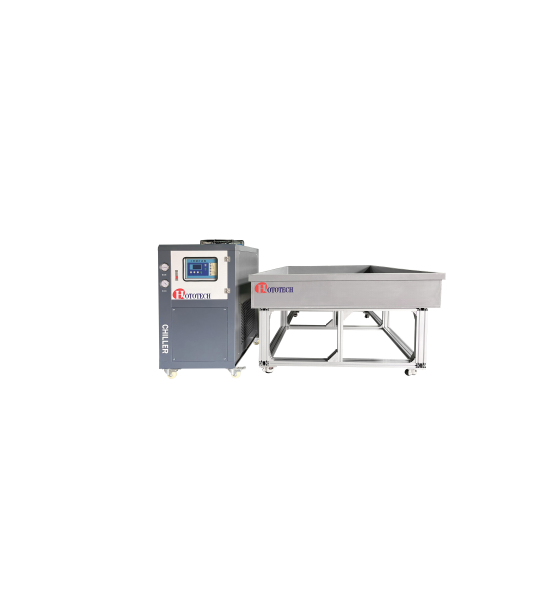
A PV module wet leakage current test machine is specialized testing equipment designed to evaluate the electrical insulation performance of photovoltaic modules under wet conditions.
A typical testing system consists of the following components:
-
Water Test Tank: Provides sufficient space to accommodate the photovoltaic module and conductive solution.
-
DC High-Voltage Power Supply: Applies the required DC test voltage with current limitation.
-
Insulation Resistance Measuring System: Measures insulation resistance and evaluates leakage current.
-
Electrical Connection System: Provides reliable electrical connections between the module, solution, and testing instruments.
-
Control and Monitoring System: Controls test parameters and displays or records test results.
The equipment is widely used in solar panel manufacturing facilities, photovoltaic testing laboratories, third-party inspection institutions, and research centers.
6. How to Choose the Right PV Wet Leakage Current Testing Equipment?
When selecting a solar panel wet leakage current test machine, manufacturers and laboratories should consider several important factors:
1. Compliance with IEC Standards
Ensure that the testing equipment can meet the relevant requirements of IEC 61215-2 MQT 15 and other applicable testing standards.
2. Maximum PV Module Size
The water tank should accommodate the dimensions and structure of the photovoltaic modules being tested.
3. DC Test Voltage Range
The power supply should support the required test voltage according to the rated system voltage of the PV modules.
4. Measurement Accuracy
The insulation resistance and leakage current measuring system should provide reliable and repeatable measurement results.
5. Safety Protection
High-voltage protection, current limitation, electrical isolation, and safe operation functions are important considerations.
7. Applications of PV Module Wet Leakage Current Test Equipment
PV wet leakage current testing equipment is commonly used in:
-
Solar panel manufacturing quality control
-
Photovoltaic module design qualification
-
Third-party PV testing laboratories
-
Solar module electrical safety evaluation
-
Research and development of photovoltaic technologies
-
IEC 61215 and related PV module testing programs
By performing wet leakage current testing, manufacturers can better evaluate the electrical insulation performance of their solar modules before they are introduced to the market.
8. Conclusion
The PV module wet leakage current test plays an important role in evaluating the electrical safety and insulation reliability of solar panels under wet operating conditions.
In accordance with IEC 61215-2 MQT 15, this test simulates moisture exposure and evaluates whether photovoltaic modules can maintain adequate electrical insulation.
Selecting suitable PV module wet leakage current testing equipment helps manufacturers and testing laboratories perform standardized electrical safety evaluations and improve overall product quality.
Looking for a PV Module Wet Leakage Current Test Machine?
HOTOTECH specializes in photovoltaic testing equipment and customized testing solutions. Contact our technical team to discuss your PV module testing requirements and equipment configuration.
EL Testing of Solar Panels: How a Portable Electroluminescence Tester Works
Related Article