Solar PV Module Hail Impact Test: IEC 61215 MQT 17 Testing Guide

Solar PV Module Hail Impact Test: IEC 61215 MQT 17 Testing Guide

1. What Is a Solar PV Module Hail Impact Test?
A solar PV module hail impact test is a mechanical durability test used to evaluate a photovoltaic module's resistance to hailstone impacts.
During severe weather, hailstones can strike solar panels and cause damage to the front glass, solar cells, encapsulation materials, and other components. Such damage may affect the module's structural integrity, electrical performance, and long-term reliability.
The IEC 61215 MQT 17 hail test simulates hail impact under controlled laboratory conditions. It helps solar panel manufacturers, research institutions, and testing laboratories evaluate the durability of photovoltaic modules.
2. Which Standard Applies to Solar Panel Hail Testing?
The primary international standard for photovoltaic module hail impact testing is IEC 61215-2, which specifies test procedures for evaluating PV module design qualification.
The relevant test is:
- IEC 61215-2, MQT 17: Hail Test.
The test uses ice balls launched at specified velocities toward designated impact locations on the PV module. The applicable ice-ball diameter, impact velocity, and test conditions should be determined according to the relevant standard edition and testing requirements.
3. How Does a PV Module Hail Impact Test Work?
A typical solar panel hail impact test involves the following steps.
Step 1: Prepare the Ice Balls
Spherical ice balls are prepared using suitable molds. Their diameter, mass, and temperature are controlled according to the applicable test procedure.
Step 2: Set the Impact Velocity
The hail impact testing machine launches the ice balls toward the photovoltaic module at the required velocity. A velocity measurement system is used to verify the impact speed.
Step 3: Position the PV Module
The solar module is mounted on a suitable support structure. The impact locations are selected according to the applicable test procedure.
Step 4: Perform the Hail Impact Test
The launcher propels the ice balls toward the specified locations on the module. The impact conditions are controlled and recorded during testing.
Step 5: Inspect the Module After Testing
After the test, the module is inspected for visible damage and evaluated using the applicable electrical performance and safety checks to determine whether it meets the relevant acceptance requirements.
4. What Are the Acceptance Criteria for the IEC 61215 Hail Test?
After hail impact testing, the PV module is evaluated according to the applicable IEC 61215 requirements.
The evaluation may include:
-
Visual inspection for cracks, breakage, and other relevant defects.
-
Electrical performance measurements to assess changes in maximum power output.
-
Electrical continuity checks.
-
Applicable insulation and wet leakage current tests.
The acceptance criteria depend on the applicable standard edition and test sequence. Laboratories should refer to the relevant standard for the exact requirements.
5. What Is a Solar PV Module Hail Impact Testing Machine?
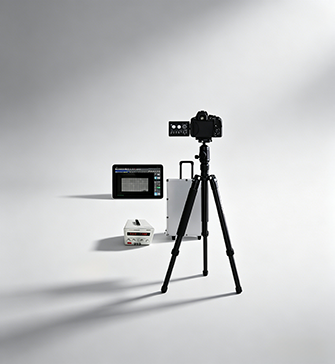
A Solar PV Module Hail Impact Testing Machine, also known as a solar panel hail tester or PV module hail impact test system, is specialized laboratory equipment designed to simulate hailstone impacts on photovoltaic modules.
A typical system may include:
-
Hailstone launching system
-
Ice-ball molds and preparation accessories
-
Ice-ball velocity measurement system
-
PV module mounting and positioning structure
-
Control and data acquisition system
-
Ice-ball storage and temperature-control equipment, depending on the configuration
The equipment allows laboratories to conduct controlled hail impact tests and document the relevant test conditions.
HOTOTECH Hail Impact Testing Equipment
HOTOTECH provides photovoltaic module hail impact testing equipment for solar module manufacturers, research laboratories, and testing organizations.
The HOTOTECH HTPV-09 hail impact tester is designed for IEC 61215 MQT 17 testing applications. Depending on the selected configuration, the system can include a vertical launching arrangement, adjustable impact velocity, ice-ball velocity measurement, and positioning functions.
Customers can contact HOTOTECH to discuss module dimensions, required ice-ball diameters, impact velocity, positioning requirements, and applicable testing standards.
6. How to Choose a PV Module Hail Tester
When selecting a solar panel hail impact testing machine, buyers should consider the following technical factors.
Applicable Test Standard
Confirm the required IEC 61215 edition and whether additional customer-specific or regional test conditions apply.
Ice-Ball Diameter and Impact Velocity
Check that the launcher supports the ice-ball sizes and impact velocities required for the intended test program.
Module Dimensions and Mounting
Verify that the support frame accommodates the dimensions of the PV modules to be tested and allows the prescribed mounting arrangement.
Impact Positioning
Determine whether manual, laser-assisted, or automated positioning is required to reach the specified impact locations.
Velocity Measurement and Data Recording
Check the measurement accuracy, sensor arrangement, data recording functions, and availability of test reports.
Ice Preparation and Storage
Confirm whether ice-ball molds, freezing equipment, and storage accessories are included or need to be purchased separately.
7. Frequently Asked Questions About Solar Panel Hail Testing
What is IEC 61215 MQT 17?
IEC 61215 MQT 17 is the hail test procedure used to evaluate the resistance of photovoltaic modules to hail impact as part of the applicable design qualification testing.
What is the standard minimum ice-ball diameter?
The standard hail test uses a minimum ice-ball diameter of 25 mm. Larger ice balls may be required depending on the applicable test conditions.
What is the standard minimum hail impact velocity?
The standard minimum impact velocity is 23.0 m/s for the minimum 25 mm ice ball. The required conditions should be verified against the applicable standard and test program.
How many impact locations are tested?
The IEC 61215 hail test specifies 11 impact locations. The exact locations and test conditions should be determined according to the applicable test procedure.
Does a hail impact test only check whether the glass breaks?
No. The evaluation is not limited to visible glass damage. It may also include electrical performance, continuity, visual inspection, insulation, and wet leakage current requirements.
Who needs a solar PV module hail impact testing machine?
Typical users include:
-
Solar PV module manufacturers conducting product qualification and reliability testing.
-
Third-party testing and certification laboratories.
-
Research institutions developing photovoltaic module technologies.
-
Quality assurance teams evaluating module durability.
8. Conclusion
Solar PV module hail impact testing is an important part of evaluating photovoltaic module durability. By using a controlled hail impact test system, manufacturers and laboratories can simulate hailstone impacts, document test conditions, and assess module performance against the applicable IEC 61215 requirements.
Choosing a suitable PV Module Hail Impact Testing Machine requires careful consideration of ice-ball diameter, impact velocity, module dimensions, positioning, measurement accuracy, and the applicable testing standard.
HOTOTECH provides testing equipment for photovoltaic module testing applications. Contact our team to discuss your solar panel hail impact testing requirements and equipment configuration.
What Is a PV Module Wet Leakage Current Test?
Related Article