Why Hail Impact Testing Matters for Solar Panels

As solar energy systems are installed in increasingly diverse climates, photovoltaic (PV) modules must withstand extreme weather conditions, including hailstorms. Hail impact testing is an essential reliability test that evaluates a solar panel's ability to resist damage caused by hail.

What Is a Hail Impact Test?
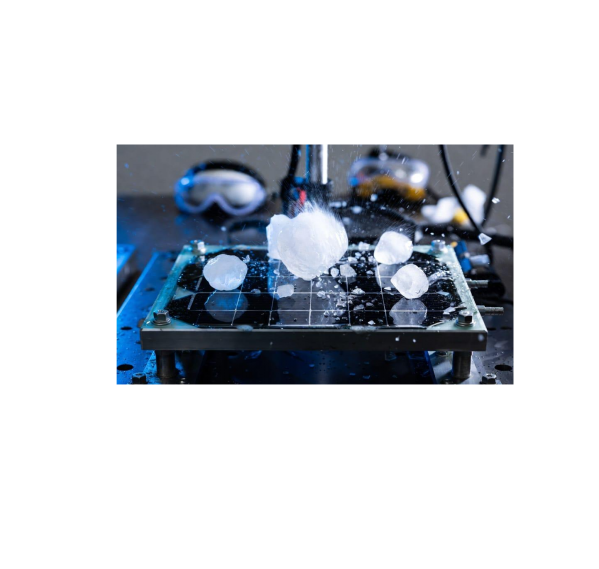
A hail impact test simulates real hail events by firing standardized ice balls at specific locations on a solar module under controlled laboratory conditions. The purpose is to determine whether the panel can maintain its structural integrity and electrical performance after impact.
This test is widely used during product development, quality control, and certification processes.
Why Is Hail Testing Important?
Severe hail can cause:
-
Glass breakage
-
Solar cell microcracks
-
Power output reduction
-
Long-term performance degradation
By conducting hail resistance testing, manufacturers can improve product reliability and reduce field failures.
How Is the Test Performed?
A typical solar panel hail test involves:
-
Producing standardized ice balls with specified diameters.
-
Accelerating the ice balls to defined velocities using a pneumatic launcher.
-
Striking predetermined points on the solar module.
-
Inspecting the module for visible damage and performing electrical performance verification.
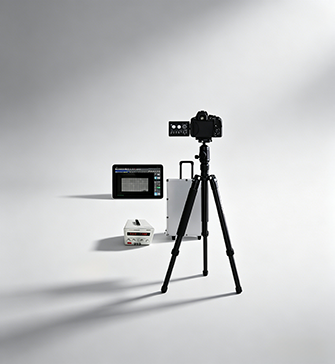
After testing, additional inspections such as Electroluminescence (EL) testing are often carried out to detect hidden cell cracks.
International Standards for Hail Testing
The most widely recognized standard for photovoltaic module hail testing is IEC 61215. The standard defines:
-
Hailstone size requirements
-
Impact velocity
-
Impact locations
-
Acceptance criteria after testing
Compliance with IEC 61215 helps manufacturers obtain global market certification and demonstrates product durability.
Key Applications of Hail Impact Test Equipment
Hail Impact Test Equipment is commonly used by:
-
Solar panel manufacturers
-
PV testing laboratories
-
Certification organizations
-
Research institutes
-
Quality assurance departments
Conclusion
Hail impact testing plays a vital role in ensuring the long-term reliability of photovoltaic modules. By accurately simulating hailstorms, manufacturers can validate product durability, comply with international standards, and provide more reliable solar solutions to customers worldwide.
Solar Panel Hail Impact Test Machine – IEC 61215 Compliant
Hail Impact Test Equipment for Solar Panels: A Complete Guide to PV Module Hail Resistance Testing
Related Article