Hail Impact Test Equipment for Solar Panels: A Complete Guide to PV Module Hail Resistance Testing
Hail Impact Test Equipment for Solar Panels: Ensuring PV Module Durability
What Is Hail Impact Testing?

A Hail Impact Test Equipment system simulates real hail conditions by launching standardized ice balls at solar panels under controlled laboratory conditions. This test helps manufacturers verify product durability and meet international certification requirements.
Why Is Hail Impact Testing Important?
Hail damage can significantly affect the performance and lifespan of solar modules. Even small cracks may lead to:
- Reduced power output
- Cell microcracks
- Hot spots
- Moisture ingress
- Long-term reliability issues
By conducting hail resistance testing, manufacturers can improve product quality, reduce warranty claims, and enhance customer confidence.
How Does Hail Impact Test Equipment Work?
The testing process typically includes:
- Producing standardized ice balls according to testing standards.
- Launching the ice balls at specified speeds using a pneumatic system.
- Impacting predefined locations on the solar panel.
- Performing visual inspection and electrical performance testing after impact.
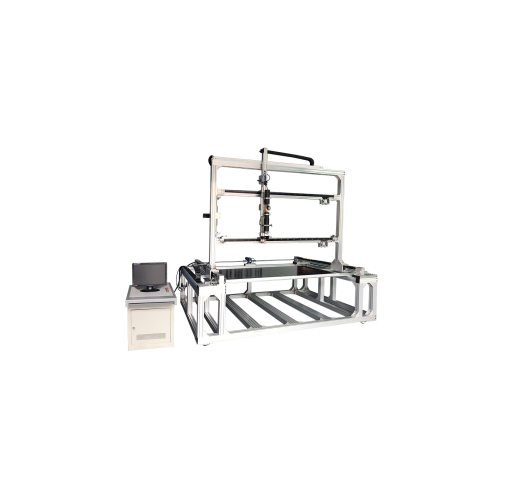
The equipment generally consists of an ice ball maker, pneumatic launcher, velocity measurement system, target positioning device, and safety enclosure.
IEC 61215 Hail Impact Test
The most commonly used standard for photovoltaic module hail testing is IEC 61215. This standard specifies:
- Ice ball size requirements
- Impact velocity
- Test locations
- Post-impact performance evaluation
Passing the IEC 61215 hail test demonstrates that a solar module can withstand severe weather conditions and maintain long-term reliability.
Applications of Hail Impact Test Equipment
Hail impact testing machines are widely used by:
- Solar panel manufacturers
- PV certification laboratories
- Research and development centers
- Quality control departments
- Universities and testing institutes
Conclusion
Hail Impact Test Equipment is an essential tool for evaluating the durability and weather resistance of photovoltaic modules. By simulating real-world hailstorms, it helps manufacturers ensure compliance with IEC 61215 standards, improve product reliability, and deliver higher-quality solar panels to the global market.
Why Hail Impact Testing Matters for Solar Panels
Set up PV lab testing equipment
Related Article