Home /News /PV Module Testing Equipment /Seamless Lab-to-Production Photovoltaic Testing: Optimization with a Dual-Mode IV Tester /
Seamless Lab-to-Production Photovoltaic Testing: Optimization with a Dual-Mode IV Tester
author: Heather Hu
2026-02-05
Seamless Lab-to-Production Photovoltaic Testing: Optimization with a Dual-Mode IV Tester
Introduction: The Lab-Production Gap in Photovoltaic Testing
The global shift toward renewable energy has positioned photovoltaic (PV) technology as a cornerstone of sustainable power generation. As PV manufacturers strive to boost efficiency, reduce costs, and meet stringent quality standards, consistent and accurate testing has become non-negotiable. Yet, a critical challenge persists: the disconnect between laboratory testing (where PV cells/modules are validated under controlled conditions) and production-line testing (where speed, scalability, and real-world adaptability are paramount). This gap often leads to inconsistent data, delayed product iterations, and missed opportunities for optimization. Enter the dual-mode IV tester—a game-changing solution designed to bridge this divide, enabling seamless, reliable testing from lab to production floor.
Understanding the Core: What Is a Dual-Mode IV Tester?
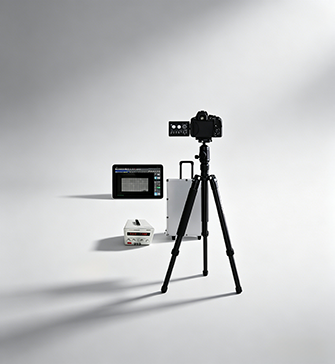
Before diving into its transformative role, let’s break down the basics. An IV (Current-Voltage) tester is the backbone of PV testing, measuring the electrical characteristics of PV cells, modules, or strings to determine key performance metrics. A dual-mode IV tester elevates this functionality by integrating two distinct testing modes into a single, versatile device—addressing the unique needs of both laboratory R&D and high-volume production.
Key Modes of Operation: Lab Precision Meets Production Speed
Mode 1: Laboratory Precision Mode
In laboratory settings, researchers focus on high-accuracy data collection to refine cell designs, test new materials (such as TOPCon, HJT, or perovskite), and validate performance under standard test conditions (STC: 1000 W/m², 25°C, AM 1.5G). The dual-mode IV tester’s precision mode delivers:
-
Ultra-low measurement error (≤±0.2% for power, ≤±0.5% for voltage/current), ensuring reliable data for R&D comparisons.
-
Customizable test parameters (variable irradiance, temperature, and load conditions) to simulate real-world scenarios and edge cases.
-
Detailed IV and PV curve analysis, including parameters like open-circuit voltage (Voc), short-circuit current (Isc), maximum power (Pmax), fill factor (FF), and efficiency (η).
-
Integration with lab software for data logging, trend analysis, and report generation—critical for patenting, compliance, and academic research.
Mode 2: Production High-Speed Mode
On the production line, speed and scalability are essential to meet high-volume manufacturing targets without sacrificing quality. The dual-mode IV tester’s high-speed mode is engineered to:
-
Complete a full IV test in as little as 10 seconds per module (or 3 seconds per cell string), matching the pace of automated production lines (up to 600 modules per hour).
-
Automate testing workflows, integrating seamlessly with conveyor systems and MES (Manufacturing Execution Systems) for hands-free operation.
-
Perform pass/fail screening based on pre-set thresholds, quickly identifying defective modules (e.g., those with broken cells, poor soldering, or inconsistent performance) before they move to the next stage.
-
Maintain stability in harsh production environments (temperature fluctuations, dust, vibration) with a rugged, industrial-grade design—eliminating downtime from equipment failures.
The Purpose of a Dual-Mode IV Tester: Solving Industry Pain Points
The true value of a dual-mode IV tester lies in its ability to solve the most pressing pain points for PV manufacturers and researchers. Below are its core用途 (purposes) and how it drives optimization across the PV lifecycle.
1. Bridging the Lab-Production Data Gap
A common frustration in PV manufacturing is inconsistent data between lab and production tests. A module that performs exceptionally well in the lab may underperform on the production line—often due to differences in testing equipment, conditions, or measurement methodologies. The dual-mode IV tester eliminates this gap by using the same core technology for both modes, ensuring that data from R&D is directly comparable to production data. This consistency allows researchers to:
-
Validate lab-scale improvements (e.g., a new cell coating to boost efficiency) in real-world production.
-
Troubleshoot production issues by correlating underperforming modules with lab test results (e.g., identifying that a drop in FF is due to a manufacturing defect, not a design flaw).
-
Accelerate product iterations, as lab insights can be quickly translated to production without revalidating testing protocols.
2. Optimizing Production Efficiency and Quality
In high-volume PV manufacturing, even small inefficiencies or quality lapses can lead to significant cost losses. The dual-mode IV tester optimizes production by:
Reducing Downtime
Unlike single-mode testers (which require separate equipment for lab and production), a dual-mode device eliminates the need for multiple machines, reducing setup time, maintenance costs, and floor space. Its modular design also allows for quick mode switching—from R&D testing to production screening in minutes.
Minimizing Defects
The high-speed mode’s automated pass/fail screening catches defects early in the production process (e.g.,隐裂,虚焊, or inconsistent cell performance), reducing the cost of rework or scrapping finished modules. For example, a leading PV manufacturer reported a 30% reduction in defective products after implementing a dual-mode IV tester, thanks to its ability to detect subtle performance deviations that single-mode testers missed.
Maximizing Throughput
With test times as low as 10 seconds per module, the dual-mode tester keeps pace with automated production lines, ensuring that testing does not become a bottleneck. Its integration with MES systems also enables real-time data tracking, allowing manufacturers to optimize production schedules and identify bottlenecks proactively.
3. Enabling Data-Driven R&D and Compliance
For researchers, the dual-mode IV tester is a powerful tool for advancing PV technology. Its precision mode delivers the high-accuracy data needed to:
-
Test new materials and cell architectures (e.g., perovskite-silicon tandems) to push efficiency limits.
-
Simulate real-world operating conditions (e.g., low irradiance, extreme temperatures) to ensure modules perform reliably in diverse climates.
-
Comply with international standards (e.g., IEC 61215, ASTM E948) for product certification, as its precision measurements meet the strict requirements of regulatory bodies.
For manufacturers, the tester’s data logging and reporting capabilities simplify compliance audits, as all production and lab test data is stored in a single, accessible system—eliminating the need for manual record-keeping and reducing the risk of non-compliance.
4. Reducing Total Cost of Ownership (TCO)
Investing in a dual-mode IV tester delivers long-term cost savings by:
-
Eliminating the need to purchase and maintain separate lab and production testers.
-
Reducing downtime and maintenance costs with a rugged, industrial-grade design (mean time between failures (MTBF) of over 10,000 hours).
-
Minimizing the cost of defective products and rework, as early defect detection reduces waste.
Real-World Impact: Dual-Mode IV Testers in Action
To illustrate the transformative power of dual-mode IV testing, consider the case of a mid-sized PV manufacturer specializing in high-efficiency modules. Prior to adopting a dual-mode IV tester, the company struggled with:
-
Inconsistent lab and production data, leading to delayed product launches.
-
A 5% defect rate in finished modules, resulting in significant rework costs.
-
Bottlenecks in production, as single-mode testers could not keep pace with automated lines.
After implementing a dual-mode IV tester, the company achieved:
-
A 95% reduction in data inconsistencies between lab and production.
-
A 40% reduction in defects, saving over $100,000 annually in rework costs.
-
A 25% increase in production throughput, as testing no longer bottlenecked the line.
In another example, a university research lab used a dual-mode IV tester to optimize a new perovskite cell design. The precision mode allowed researchers to fine-tune the cell’s structure, while the high-speed mode enabled them to quickly validate their findings in a pilot production line—accelerating the technology’s path to commercialization by 18 months.
Choosing the Right Dual-Mode IV Tester: Key Considerations
Not all dual-mode IV testers are created equal. When selecting a device for your lab or production line, prioritize these critical features:
1. Measurement Accuracy and Range
Look for a tester with ultra-low measurement error (≤±0.2% for power) and a wide measurement range (e.g., voltage up to 1500V, current up to 30A) to accommodate different PV cell/module sizes and technologies (PERC, TOPCon, HJT, perovskite).
2. Speed and Automation
For production, ensure the tester can complete a full IV test in ≤10 seconds per module and integrate with automated conveyor systems and MES software. For labs, look for customizable test sequences and software integration for data analysis.
3. Ruggedness and Reliability
Production environments are harsh—choose a tester with an industrial-grade design (IP65 rating, wide operating temperature range: -10°C to 50°C) to withstand dust, vibration, and temperature fluctuations.
4. Software and Data Management
Opt for a tester with user-friendly software that supports data logging, curve analysis, report generation, and cloud integration. This simplifies compliance, data sharing, and trend analysis across lab and production teams.
5. Scalability
As your business grows, your testing needs will too. Choose a modular tester that can be upgraded (e.g., adding more test channels, integrating EL testing for defect imaging) to accommodate higher throughput or new PV technologies.
Conclusion: The Future of PV Testing Is Seamless
The dual-mode IV tester is more than just a testing device—it’s a catalyst for innovation and efficiency in the PV industry. By bridging the gap between lab and production testing, it enables consistent, data-driven decision-making that accelerates R&D, optimizes production, reduces costs, and ensures high-quality PV products. As the demand for renewable energy continues to grow, the dual-mode IV tester will play an increasingly critical role in helping manufacturers and researchers push the boundaries of PV technology—one precise, fast, and seamless test at a time.
Ready to optimize your PV testing workflow? Contact our team today to learn how a dual-mode IV tester can transform your lab-to-production process.
Low Power Generation Efficiency of PV Modules? EL Testing Helps You Find the "Invisible Culprit"
The Crucial Role of Motorbike Helmet Testing
Related Article
Learn how a solar panel hail impact test works, why IEC 61215 MQT 17 matters, and how a PV module hail tester helps evaluate module durability.
Solar PV Module Hail Impact Test: IEC 61215 MQT 17 Testing Guide

Photovoltaic (PV) modules are installed outdoors and are continuously exposed to rain, humidity, dew, condensation and other environmental conditions. Moisture can reduce the insulation performance of a solar module and may create electrical safety risks. The PV module wet leakage current test, also known as the wet insulation resistance test or wet leakage test, is designed to evaluate the electrical insulation performance of a photovoltaic module under wet operating conditions.
What Is a PV Module Wet Leakage Current Test?