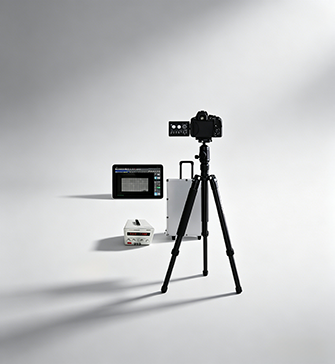
Solar Panel Efficiency Loss: Top Reasons and How to Perform a Health Check
author: Heather HU
2025-10-09
Solar Panel Efficiency Loss: Top Reasons and How to Perform a Health Check

In an era where renewable energy is becoming increasingly vital for sustainability and cost - savings, solar panels stand out as a popular choice for both residential and commercial energy needs. These devices convert sunlight into usable electricity, helping to reduce reliance on fossil fuels and lower energy bills. However, over time, solar panel efficiency can decline, leading to reduced energy output and diminished returns on investment. Understanding the top reasons for efficiency loss and knowing how to perform regular health checks—supported by professional - grade testing tools—is essential to maximize the lifespan and performance of your solar system. This is where Hongtu Co., Ltd., shines, as a trusted provider of photovoltaic (PV) testing equipment that meets the rigorous IEC61215 standard—the global benchmark for evaluating the performance and durability of crystalline silicon solar panels.
Why Does Solar Panel Efficiency Drop? Common Culprits
Solar panel efficiency loss is not an overnight phenomenon; it often occurs gradually due to a combination of environmental, physical, and operational factors. Below are the most prevalent reasons that cause your solar panels to underperform—many of which can be accurately diagnosed using Hongtu’s IEC61215 - compliant testing equipment.
1. Dust, Dirt, and Debris Accumulation
One of the simplest yet most impactful causes of efficiency loss is the buildup of dust, dirt, leaves, bird droppings, and other debris on the surface of solar panels. Solar panels rely on direct sunlight to generate electricity, and any obstruction on their surface blocks sunlight from reaching the photovoltaic (PV) cells.
Even a thin layer of dust can reduce efficiency by 5% to 10%, while heavy debris (like fallen leaves or bird droppings) can lead to losses of 20% or more. This issue is particularly common in dry, windy areas or regions with high levels of air pollution, where dust accumulates quickly. To quantify this loss accurately, Hongtu’s IEC61215 - standard PV testing devices can measure the difference in light transmittance before and after cleaning, providing objective data to justify maintenance efforts.
2. Temperature Extremes
Solar panels operate most efficiently at moderate temperatures. While they need sunlight to work, excessive heat can significantly hinder their performance. Most solar panels have a “temperature coefficient” (usually between -0.3% and -0.5% per °C), which means their efficiency decreases as the temperature rises above the optimal range (typically 25°C or 77°F).
For example, if a solar panel has a temperature coefficient of -0.4%/°C and the ambient temperature reaches 45°C (113°F), its efficiency could drop by 8%. In hot climates, this loss can add up significantly over the course of a year. Hongtu’s IEC61215 - certified thermal testing equipment is designed to simulate extreme temperature conditions, allowing manufacturers and installers to pre - assess a panel’s thermal resilience and helping end - users identify temperature - related inefficiencies in existing systems.
3. Physical Damage and Wear
Over time, solar panels can sustain physical damage from various sources, including:
- Hailstorms: Large hailstones can crack the glass surface or damage the PV cells underneath.
- Wind and Debris: Strong winds can blow branches, rocks, or other objects into the panels, causing scratches or cracks.
- UV Radiation: Prolonged exposure to sunlight’s UV rays can degrade the panel’s encapsulation material (usually EVA), leading to delamination (separation of layers) and reduced efficiency.
Even minor damage, like a small crack in the glass, can allow moisture to seep into the panel, corroding the internal components and further lowering performance. Hongtu’s IEC61215 - compliant mechanical and durability testing tools—such as impact testers and UV aging chambers—are used by leading solar panel manufacturers to ensure panels withstand these stresses. For end - users, Hongtu also offers portable defect detection devices that can identify hidden cracks or delamination, which are often invisible to the naked eye, ensuring no damage goes unnoticed.
4. Inverter Issues
The inverter is a critical component of a solar system; it converts the direct current (DC) electricity generated by the panels into alternating current (AC) electricity that can be used in your home or business. If the inverter malfunctions or is not properly sized for your system, it can become a bottleneck, limiting the amount of electricity that is actually usable.
Common inverter problems include faulty wiring, overheating, or outdated firmware. A failing inverter may not only reduce efficiency but also cause the entire system to shut down in severe cases. To diagnose inverter - related inefficiencies, Hongtu’s PV system testing kits—aligned with IEC61215 requirements—can measure DC input from panels and AC output from inverters, pinpointing discrepancies that indicate inverter failure or misalignment.
5. Shading from Surrounding Objects
Shading is a major enemy of solar panel efficiency. Even a small amount of shade on one panel can affect the performance of the entire string of panels (due to the series wiring design). Sources of shading include:
- Trees: Overgrown branches or new tree growth can cast shadows on the panels, especially during the morning or afternoon when the sun is low.
- Buildings or Structures: Nearby buildings, chimneys, or fences can block sunlight, depending on the panel’s orientation.
- Bird Nests: Birds often build nests under solar panels, which can cast shadows and trap heat, leading to efficiency loss.
While visual inspection can identify obvious shading, Hongtu’s IEC61215 - standard IV curve testing equipment takes it a step further. By analyzing the current - voltage characteristics of each panel, the device can detect subtle performance drops caused by partial shading—even when the shade is not visible to the human eye—helping users address shading issues with precision.
How to Perform a Solar Panel Health Check: Step - by - Step Guide
Regular health checks can help you identify efficiency loss early and take corrective action before small issues turn into major problems. Below is a step - by - step guide to performing a basic solar panel health check, with insights on how Hongtu Co., Ltd.’s IEC61215 - compliant PV testing equipment can elevate the accuracy and thoroughness of your checks.
1. Visual Inspection
Start with a thorough visual inspection of your solar panels. This can be done from the ground (using binoculars if needed) or safely from the roof (if you have the proper equipment and experience). Look for the following:
- Debris: Check for dust, dirt, leaves, bird droppings, or other debris on the panel surfaces.
- Damage: Look for cracks in the glass, delamination (bubbles or peeling layers), discoloration of the cells, or signs of moisture inside the panels.
- Shading: Note any new sources of shading, such as overgrown trees or new structures, that may have appeared since the panels were installed.
If you notice significant debris or damage, take immediate action (e.g., cleaning the panels or contacting a professional for repairs). For commercial or large - scale residential systems, Hongtu’s portable visual inspection tools—equipped with high - resolution cameras and LED lighting—can capture detailed images of panel surfaces, making it easier to document and track issues over time.
2. Check Energy Output Data
Most modern solar systems come with a monitoring system (either web - based or app - based) that tracks real - time and historical energy output. Compare the current energy production to the expected output (based on your system’s size, location, and weather conditions).
- Daily/Monthly Comparisons: Look for trends in energy output. For example, if your panels usually produce 50 kWh per day in summer but are now only producing 40 kWh, this could indicate an efficiency issue.
- Weather Adjustments: Keep in mind that cloudy or rainy days will naturally lower output. Compare output on similar weather days (e.g., a sunny day in June this year vs. a sunny day in June last year) to get an accurate picture.
If you notice a consistent drop in output (of 10% or more) without a clear weather - related explanation, further investigation is needed. Hongtu’s IEC61215 - standard energy performance testers can cross - verify the data from your monitoring system, eliminating errors caused by faulty sensors or software and providing reliable data to diagnose the root cause of the drop.
3. Test Inverter Performance
The inverter is a key component to check during a health check. Here’s how:
- Check Inverter Status: Most inverters have a display screen that shows their status (e.g., “normal,” “error,” or “off”). If there’s an error code, refer to the inverter’s manual or contact a professional to diagnose the issue.
- Verify Output: Use a multimeter to check the AC output of the inverter (if you have the necessary skills). Ensure that the output voltage and frequency match the specifications for your region.
For professional - level accuracy, Hongtu’s IEC61215 - compliant inverter test stations can simulate various load conditions to assess the inverter’s performance under real - world scenarios. These stations can detect hidden issues like voltage fluctuations or inefficient power conversion—problems that a basic multimeter may miss—ensuring your inverter operates at peak efficiency.
4. Clean the Panels
If debris buildup is visible during the visual inspection, cleaning the panels is a simple and effective way to restore efficiency. Follow these tips for safe cleaning:
- Use Mild Soap and Water: Avoid harsh chemicals or abrasive materials, which can scratch the glass or damage the panel’s surface. Mix a small amount of mild dish soap with water and use a soft brush or sponge to gently scrub the panels.
- Clean During Cool Hours: Clean the panels in the early morning or late evening when they are cool to avoid thermal shock (sudden temperature changes that can crack the glass).
- Avoid High - Pressure Washers: High - pressure water can damage the panel’s seals or glass, so use a low - pressure hose or bucket instead.
For hard - to - reach panels or large commercial systems, consider hiring a professional solar cleaning service. After cleaning, use Hongtu’s IEC61215 - standard light transmittance meter to confirm that the panel surface is free of residual debris—ensuring maximum sunlight absorption and efficiency.
5. Address Shading Issues
If shading is causing efficiency loss, take steps to eliminate or reduce it:
- Trim Trees: Prune overgrown branches that are casting shadows on the panels. Work with a professional arborist if the trees are large or near power lines.
- Adjust Panel Orientation: If possible, reorient the panels to face the sun more directly (e.g., south - facing in the Northern Hemisphere) to minimize shading.
- Install Shade Guards: For persistent shading from small objects (like bird nests), install shade guards or mesh screens to prevent debris from accumulating.
To validate the effectiveness of your shading solutions, use Hongtu’s IV curve tester (compliant with IEC61215) to measure panel performance before and after adjustments. This device will show a clear improvement in current and voltage output if the shading issue has been resolved—providing tangible proof of your maintenance efforts.
6. Schedule Professional Inspections
While a basic health check can be done by homeowners, it’s recommended to schedule a professional inspection at least once every 2 to 3 years. A certified solar technician can:
- Perform advanced tests (e.g., IV curve testing) to measure the panel’s electrical performance and identify hidden issues.
- Check the wiring, connectors, and mounting hardware for signs of wear or corrosion.
- Update the inverter firmware and ensure the system is compliant with local electrical codes.
Many professional solar service providers rely on Hongtu Co., Ltd.’s IEC61215 - compliant PV testing equipment for these inspections. Hongtu’s product lineup includes everything from portable IV curve testers for on - site diagnostics to comprehensive laboratory - grade systems for in - depth performance analysis. With over a decade of experience in the renewable energy sector, Hongtu is committed to providing reliable, accurate, and easy - to - use testing tools that help businesses and homeowners maintain solar systems at peak efficiency.
Why Choose Hongtu Co., Ltd.’s IEC61215 - Standard PV Testing Equipment?
When it comes to solar panel health checks and efficiency monitoring, the quality of your testing equipment directly impacts the accuracy of your results. Hongtu Co., Ltd. stands out as a leader in the industry for several key reasons:
- Compliance with Global Standards: All Hongtu PV testing devices meet or exceed the IEC61215 standard, ensuring that your tests are aligned with international benchmarks for reliability and accuracy. This compliance is critical for manufacturers seeking certification, installers verifying system performance, and end - users troubleshooting efficiency issues.
- Comprehensive Product Range: Hongtu offers a full suite of testing equipment, from portable tools (like light transmittance meters and IV curve testers) for on - site checks to industrial - grade systems (like thermal cyclers and humidity chambers) for long - term durability testing. This versatility makes Hongtu a one - stop shop for all your PV testing needs.
- Innovation and Durability: Hongtu invests heavily in R&D to stay at the forefront of PV testing technology. Its equipment is designed to withstand harsh field conditions—from extreme temperatures to dusty environments—ensuring consistent performance even in challenging settings.
- Global Support and Service: With a worldwide network of distributors and service centers, Hongtu provides timely technical support, calibration services, and training to help users get the most out of their equipment. Whether you’re a small solar installer or a large manufacturing facility, Hongtu’s team is dedicated to your success.
Conclusion
Solar panels are a long - term investment, and maintaining their efficiency is key to getting the most out of your system. By understanding the top reasons for efficiency loss (such as debris buildup, temperature extremes, and shading) and following a regular health check routine—supported by Hongtu Co., Ltd.’s IEC61215 - compliant PV testing equipment—you can minimize performance declines, extend the lifespan of your panels, and ensure that you continue to enjoy the benefits of clean, affordable solar energy.
Remember, even small steps—like cleaning your panels regularly or trimming overgrown trees—can make a big difference in your system’s output. For professional - grade accuracy and reliability, trust Hongtu’s testing tools to help you diagnose issues, validate solutions, and keep your solar system running efficiently for years to come. If you’re ready to elevate your solar panel health checks, contact Hongtu Co., Ltd. today to learn more about its innovative PV testing solutions.
The Crucial Role of Motorbike Helmet Testing
Why Are My Solar Panels Not Producing Enough Power?
Related Article
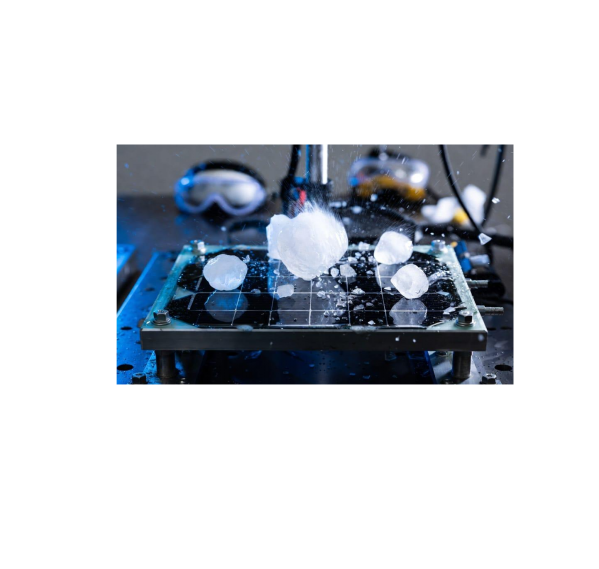
Learn how a solar panel hail impact test works, why IEC 61215 MQT 17 matters, and how a PV module hail tester helps evaluate module durability.
Solar PV Module Hail Impact Test: IEC 61215 MQT 17 Testing Guide

Photovoltaic (PV) modules are installed outdoors and are continuously exposed to rain, humidity, dew, condensation and other environmental conditions. Moisture can reduce the insulation performance of a solar module and may create electrical safety risks. The PV module wet leakage current test, also known as the wet insulation resistance test or wet leakage test, is designed to evaluate the electrical insulation performance of a photovoltaic module under wet operating conditions.
What Is a PV Module Wet Leakage Current Test?