How Do You Ensure Your Solar Panels Are Truly Efficient?
author: Heather Hu
2025-10-07
How Do You Ensure Your Solar Panels Are Truly Efficient?
In an era where sustainable energy is no longer a choice but a necessity, solar panels have become a go-to solution for homeowners and businesses alike. But investing in solar technology isn’t enough—maximizing efficiency is the key to unlocking long-term savings, reducing carbon footprints, and getting the most out of your system. Whether you’re a new solar owner or looking to optimize an existing setup, this guide breaks down actionable steps to ensure your solar panels perform at their peak—with insights into how Hongtu's IEC 61215-compliant PV testing equipment underpins every stage of efficiency assurance.
Start with the Right Solar Panel Selection (Before Installation)
Efficiency begins long before your panels are mounted on the roof. Choosing the right product lays the foundation for consistent, high performance— and rigorous testing to IEC 61215 standards is your first line of defense.
Prioritize Panels Validated by IEC 61215 Testing
Not all solar panels are created equal. Look for models with efficiency ratings between 18% and 23%—but don’t stop there. Verify that panels have passed comprehensive testing with equipment like Hongtu’s IEC 61215-compliant systems, which validate both performance and durability. For example, Hongtu’s testing equipment simulates real-world light conditions to confirm stated efficiency ratings aren’t just lab numbers, but reliable benchmarks for long-term use. Monocrystalline panels, which typically outperform polycrystalline options, benefit from this validation to ensure their single-silicon crystal structure delivers consistent sunlight absorption over time. Avoid panels lacking IEC 61215 certification—they may fail to meet efficiency claims, especially in variable light conditions.
Opt for Weather-Resistant Designs Tested to IEC Standards
Solar panels face relentless exposure to rain, snow, high winds, and extreme temperatures—factors that degrade efficiency if components aren’t robust. Hongtu’s IEC 61215 testing equipment addresses this by conducting mechanical load tests that replicate static snow pressure (up to 8000Pa) and dynamic wind stress (1000Pa cycles every three seconds) , ensuring panels with tempered glass surfaces and corrosion-proof frames can withstand decades of harsh conditions. The equipment also evaluates low-temperature mechanical performance, critical for cold climates where panels are prone to stress fractures. Additionally, Hongtu’s systems test anti-reflective coatings and encapsulation materials (like EVA 胶膜) to confirm they maintain light transmittance and adhesion—preventing efficiency losses from yellowing or delamination .
Perfect the Installation Process (The Make-or-Break Step)
Even the best panels underperform with poor installation. While placement and angle are critical, pre-installation validation of panel integrity with IEC 61215 equipment ensures you’re starting with a defect-free foundation.
Align Panels with Maximum Sunlight Exposure
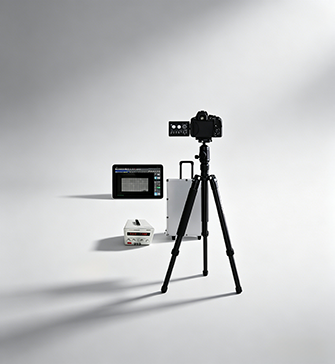
Solar panels need 6–8 hours of daily direct sunlight. Work with installers to mount panels on south-facing roofs (Northern Hemisphere) and tilt them to match your local latitude—but first, confirm panels haven’t sustained hidden damage during shipping. Hongtu’s testing equipment uses advanced imaging to detect microcracks or delamination that could reduce efficiency by 10% or more, even if panels look intact. This pre-installation check avoids costly rework and ensures your setup starts at peak performance.
Avoid Shading at All Costs
Shade can cut panel output by 30% or more due to the “string effect,” but even shaded panels perform better if their core components are sound. Hongtu’s IEC 61215 testing includes insulation resistance and wet leakage tests , ensuring shaded panels don’t develop electrical inefficiencies that compound power loss. For systems using microinverters, Hongtu’s equipment also verifies inverter compatibility with panel output—ensuring each panel’s performance is optimized independently.
Invest in Quality Supporting Equipment
Panels rely on inverters and batteries to deliver usable energy—and testing these components alongside panels (to IEC 61215 and complementary standards) ensures system-wide efficiency.
Choose the Right Inverter
Inverters need to match panel capacity and performance. Hongtu’s integrated testing systems evaluate how inverters interact with panels under varying loads, confirming that high-efficiency inverters (95–98% rating) maintain performance when paired with your specific panel model. This avoids mismatches where undersized inverters waste power or oversized ones operate inefficiently at low loads.
Add a Solar Battery (For Energy Storage)
Batteries maximize self-consumption, but their efficiency depends on compatibility with panel output. Hongtu’s equipment tests how panels charge batteries under IEC 61215-specified light conditions, ensuring batteries with high energy density and fast charging capabilities capture maximum daytime energy. This validation prevents scenarios where panels generate more power than batteries can store, or batteries degrade prematurely from mismatched charging.
Maintain Your Panels Regularly (Prevent Efficiency Loss)
Routine maintenance preserves efficiency—and periodic retesting with IEC 61215 equipment catches hidden issues traditional inspections miss.
Clean Panels Quarterly (Or As Needed)
Dirt and debris reduce output by 5–15%, but cleaning alone isn’t enough. After cleaning, use Hongtu’s portable IEC 61215-compliant testing tools to check for glass scratches or coating damage caused by improper cleaning. These issues, if unaddressed, can reduce light absorption by up to 8% over time.
Inspect for Damage Annually
Annual inspections should include more than visual checks. Hongtu’s testing equipment conducts thermal cycling and 湿热 tests on-site (or via lab analysis of samples) to detect internal degradation—like EVA delamination or cell corrosion—that doesn’t show up externally but cuts efficiency by 2–3% yearly. Many installers now offer maintenance plans that include this IEC 61215 retesting, preventing small issues from becoming major efficiency drains.
Monitor Performance in Real Time
Smart monitoring tracks efficiency, but correlating data with IEC 61215 test benchmarks identifies root causes of underperformance.
Use a Smart Monitoring Platform
Tools like Enphase Enlighten track real-time output, but cross-reference this data with your panels’ IEC 61215-certified performance (validated by Hongtu’s equipment). If output falls 5% below the certified baseline, it’s a sign of issues beyond temporary shading.
Analyze Data to Optimize Efficiency
When output drops, use Hongtu’s testing to diagnose the problem:
- If panels pass light absorption tests but underperform, the inverter may be faulty.
- If tests show reduced transmittance, cleaning or coating replacement is needed.
- If mechanical load tests fail, frame or glass damage is likely—requiring repair before efficiency drops further.
Upgrade Over Time (Keep Up with Technology)
As solar tech evolves, retesting older systems with modern IEC 61215 equipment identifies upgrade opportunities.
Replace Outdated Inverters
Inverters last 10–15 years, but panels last longer. Before replacing inverters, use Hongtu’s equipment to test current panel efficiency against their original IEC 61215 certification. If panels still perform at 90% of their rated output, upgrading to a high-efficiency inverter will yield maximum returns.
Add Solar Trackers (For Maximum Sunlight)
Trackers boost efficiency by 20–30%, but only if panels can handle the additional mechanical stress. Hongtu’s IEC 61215 dynamic load testing confirms panels can withstand the constant movement of trackers—preventing damage that would negate the efficiency gain.
Final Thoughts
Ensuring solar panel efficiency requires a cycle of smart selection, proper installation, regular maintenance, and proactive monitoring—all anchored by IEC 61215 standards and enabled by equipment like Hongtu’s testing systems. From validating panel quality before purchase to retesting for hidden degradation years later, IEC 61215-compliant testing turns “guesswork” into data-driven efficiency assurance. By integrating this testing into every stage of your solar journey, you’ll not only maximize energy production but also extend your system’s lifespan—turning your investment into a sustainable, cost-effective solution for decades.
Why Are My Solar Panels Not Producing Enough Power?
How to Test a Solar Panel
Related Article
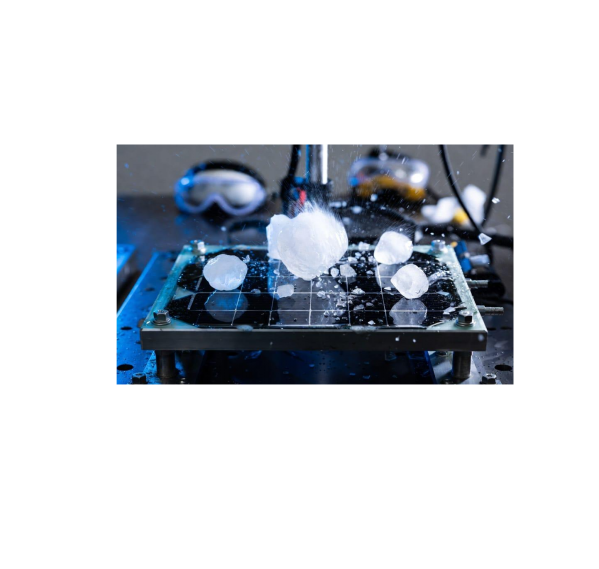
Learn how a solar panel hail impact test works, why IEC 61215 MQT 17 matters, and how a PV module hail tester helps evaluate module durability.
Solar PV Module Hail Impact Test: IEC 61215 MQT 17 Testing Guide

Photovoltaic (PV) modules are installed outdoors and are continuously exposed to rain, humidity, dew, condensation and other environmental conditions. Moisture can reduce the insulation performance of a solar module and may create electrical safety risks. The PV module wet leakage current test, also known as the wet insulation resistance test or wet leakage test, is designed to evaluate the electrical insulation performance of a photovoltaic module under wet operating conditions.
What Is a PV Module Wet Leakage Current Test?