Desert Solar Farms Fail Faster? UV Testing Reveals the Truth
author: Heather
2025-06-02
Desert Solar Farms Fail Faster? UV Testing Reveals the Truth

In the race towards a sustainable energy future, desert solar farms have emerged as a promising solution, harnessing the sun's abundant power in arid regions. However, concerns have loomed large about whether these solar installations degrade at an accelerated rate due to the intense ultraviolet (UV) radiation prevalent in deserts. Recent advancements in UV testing have shed light on this pressing issue, uncovering crucial insights that could reshape the future of solar energy in such challenging environments.
The Allure of Desert Solar Farms
Deserts are often characterized by clear skies and extended hours of sunlight, making them ideal locations for solar farms. These vast, unpopulated areas offer ample space for the installation of solar panels, allowing for large-scale energy generation. Solar farms in deserts have the potential to provide a significant portion of the world's electricity needs, contributing to a reduction in greenhouse gas emissions and a transition away from fossil fuels.
The Threat of UV Radiation
While the sun's rays are the lifeblood of solar energy systems, UV radiation poses a unique threat to the longevity and efficiency of solar panels. Prolonged exposure to UV rays can cause materials to degrade, leading to yellowing, cracking, and delamination of solar panel components. This degradation not only reduces the aesthetic appeal of the panels but, more importantly, impairs their ability to convert sunlight into electricity effectively.
How UV Testing Works
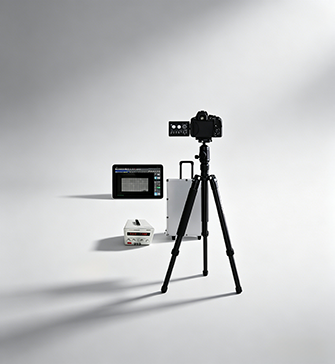
To understand the impact of UV radiation on solar panels, researchers rely on UV testing methods. These tests simulate the harsh conditions of desert environments, subjecting solar panels to concentrated UV radiation over extended periods. By monitoring the panels' performance and physical condition during and after testing, scientists can determine how well different materials and designs withstand UV exposure.
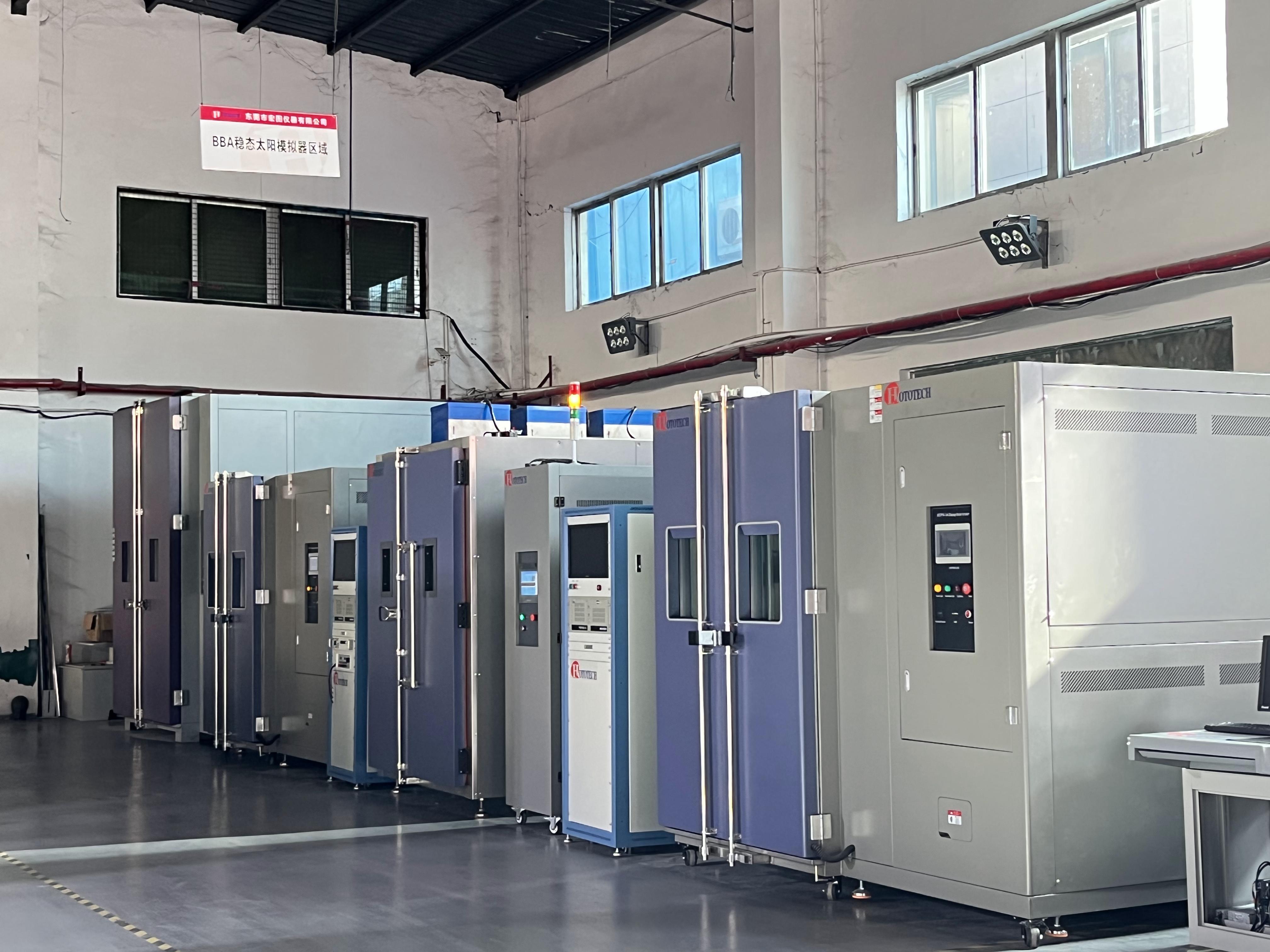
Advanced UV testing chambers are equipped with specialized lamps that emit UV radiation similar to that of the sun. These chambers can precisely control factors such as temperature, humidity, and exposure time, allowing for accurate and reproducible results. Some tests also incorporate cyclic exposure, alternating between UV radiation and other environmental stressors like heat and moisture, to mimic real-world conditions more closely.
Unveiling the Truth
Recent UV testing results have provided valuable insights into the durability of solar panels in desert environments. Contrary to some initial fears, not all solar panels degrade at an alarmingly fast rate under UV exposure. High-quality panels with UV-resistant materials and robust encapsulation demonstrate remarkable resilience, maintaining their efficiency and structural integrity over extended periods.
However, the testing also highlighted the importance of material selection and panel design. Panels made with inferior materials or lacking proper UV protection were found to degrade more rapidly, emphasizing the need for stringent quality control in the manufacturing process. Additionally, the testing revealed that regular maintenance and cleaning can significantly extend the lifespan of solar panels in desert settings, as dust and debris can exacerbate the effects of UV radiation.
The Future of Desert Solar Farms
Armed with the knowledge gained from UV testing, the solar energy industry is better positioned to address the challenges of operating in desert environments. Manufacturers are now focusing on developing next-generation solar panels with enhanced UV resistance, incorporating innovative materials and coatings that can withstand the rigors of long-term exposure to intense sunlight.
Furthermore, sophisticated monitoring systems are being deployed to track the performance of solar farms in real-time, enabling early detection of any signs of degradation. This proactive approach allows for timely maintenance and intervention, minimizing downtime and maximizing the energy output of desert solar farms.
In conclusion, while the threat of UV radiation in desert environments is real, recent UV testing has shown that with the right materials, design, and maintenance strategies, solar farms can thrive in these challenging conditions. As we continue to pursue a sustainable energy future, desert solar farms will undoubtedly play a crucial role, and UV testing will remain an essential tool in ensuring their long-term success.
How to Test a Solar Panel
Microcracks to Catastrophic Failure: Predicting Panel Lifespan with Breakage Testing
Related Article
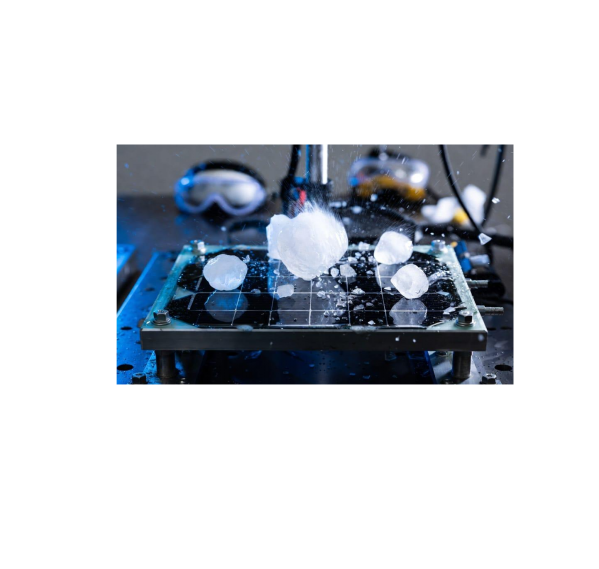
Learn how a solar panel hail impact test works, why IEC 61215 MQT 17 matters, and how a PV module hail tester helps evaluate module durability.
Solar PV Module Hail Impact Test: IEC 61215 MQT 17 Testing Guide

Photovoltaic (PV) modules are installed outdoors and are continuously exposed to rain, humidity, dew, condensation and other environmental conditions. Moisture can reduce the insulation performance of a solar module and may create electrical safety risks. The PV module wet leakage current test, also known as the wet insulation resistance test or wet leakage test, is designed to evaluate the electrical insulation performance of a photovoltaic module under wet operating conditions.
What Is a PV Module Wet Leakage Current Test?