
Solar Energy Storage Solutions: Pairing PV Panels with the Right Battery System
author: Sara Lee
2026-01-15
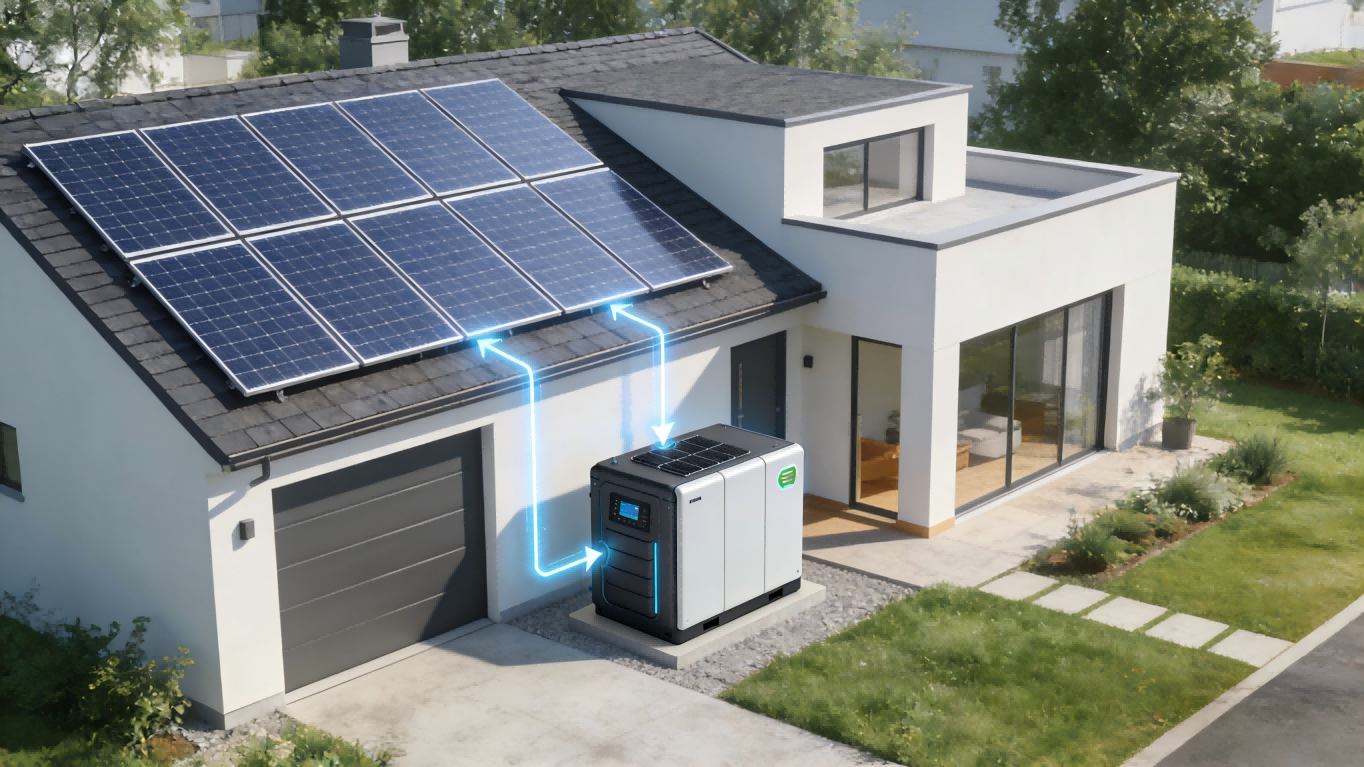
Solar photovoltaic (PV) systems have become a cornerstone of the global energy transition, offering clean, renewable power to homes, businesses, and industries. However, a critical limitation of standalone PV panels is their reliance on sunlight—they generate electricity only when the sun is shining, creating a mismatch with peak energy demand that often occurs in the evenings or on cloudy days. The solution? Pairing PV panels with a properly sized and compatible battery storage system. This combination not only addresses the intermittency of solar energy but also unlocks maximum value from your solar investment. In this blog, we’ll explore the key considerations for pairing PV panels with the right battery system and highlight the diverse applications of these integrated solutions.
Why Solar Energy Storage Matters: Beyond Intermittency
Before diving into battery selection, it’s essential to understand why storage is a game-changer for solar systems. Here are the core benefits that make PV-battery pairings indispensable:
-
Load Balancing: Solar panels often produce excess energy during midday (low-demand hours). Batteries store this surplus and discharge it during peak demand periods, reducing reliance on the grid and lowering energy bills .
-
Energy Resilience: During grid outages—caused by severe weather, wildfires, or infrastructure issues—solar-battery systems provide a reliable off-grid power source, keeping critical appliances and operations running .
-
Carbon Footprint Reduction: By maximizing the use of self-generated solar energy, battery storage minimizes the need for electricity from fossil fuel-powered grid plants, accelerating decarbonization .
-
Grid Support: On a larger scale, distributed PV-battery systems (often part of Virtual Power Plants, VPPs) help stabilize weak grids by providing fast frequency response and operating reserves .
Key Considerations for Pairing PV Panels with Batteries
The success of a solar storage system hinges on compatibility between PV panels and the battery system. A mismatched setup can lead to inefficiency, shortened equipment lifespan, or even safety risks. Below are the critical factors to prioritize:
1. Voltage and Capacity Matching
Voltage alignment is non-negotiable for system stability. PV panels have a peak voltage (Vmp), which must match the battery’s nominal voltage or the input range of the system’s inverter . For example:
-
12V lead-acid batteries require PV panels with a peak voltage of approximately 18V .
-
Lithium-ion battery packs (e.g., 3.7V per cell) need panels with a peak voltage that matches their series-combined voltage (e.g., 5V for a single 3.7V cell) .
Capacity matching is equally important. Calculate battery capacity based on your daily energy consumption and the number of consecutive cloudy days you need to power (formula: Capacity = Current × Daily Usage Hours × (Rainy Days + 1)) . High-latitude or rainy regions may require a 20-30% capacity buffer .
2. Battery Type Selection: Matching to Your Use Case
Different battery chemistries offer unique advantages, making them suitable for specific applications. The two most common options are:
Lithium-Ion Batteries
The gold standard for most solar applications, lithium-ion batteries (especially LiFePO4) offer:
-
High energy density (compact size, ideal for residential and commercial use).
-
Long lifespan (10-15 years with proper maintenance) and tolerance for high-frequency charge-discharge cycles .
-
Compatibility with smart energy management systems (EMS) and AI-driven optimization .
They are the top choice for high-demand scenarios like EV charging networks, industrial operations, and residential net-zero homes . While upfront costs were once a barrier, prices have dropped 93% since 2010, making them cost-competitive .
Lead-Acid Batteries
A more affordable option, lead-acid batteries are best for:
-
Small-scale, low-power systems (e.g., rural off-grid cabins, small appliances).
-
Applications with infrequent charge-discharge cycles.
Limitations include shorter lifespan (3-5 years), lower energy density, and sensitivity to deep discharge (which accelerates degradation) .
Emerging Options
Sodium-ion and flow batteries are gaining traction for large-scale projects. Sodium-ion batteries perform well in hot climates, while flow batteries offer ultra-long lifespans and scalability for utility-scale PV plants .
3. Inverter and Communication Protocol Compatibility
The inverter (which converts DC power from PV panels/batteries to AC for use) must work seamlessly with both the panels and the battery. High-quality batteries provide compatibility lists for major grid-tied and off-grid inverters . Additionally, ensure the battery supports common communication protocols (CAN, RS485, Modbus, TCP/IP) to enable real-time data sync with the EMS—critical for remote monitoring and predictive maintenance .
4. Battery Management System (BMS) Quality
An advanced BMS is essential for safety and performance. It monitors the battery’s state of charge (SoC), state of health (SoH), voltage, current, and temperature, providing protections against overcharge, over-discharge, short circuits, and overheating . Look for batteries with BMS that offer remote diagnostics and firmware updates .
Key Applications of PV-Battery Storage Solutions
Solar storage systems are versatile, catering to residential, commercial, industrial, and community-scale needs. Here are the most impactful use cases:
1. Residential Use
For homeowners, PV-battery systems reduce reliance on time-of-use (TOU) utility rates, allowing them to use stored solar energy during high-cost peak hours. They also provide backup power during outages, keeping refrigerators, HVAC systems, and medical equipment running. Typical residential systems range from 5-20 kWh with a 6-8 year ROI .
2. Commercial and Industrial (C&I) Operations
Businesses and factories use PV-battery systems for peak shaving—reducing energy consumption from the grid during high-demand (and high-cost) periods. A textile plant in Vietnam, for example, cut energy bills by 40% with a 2MW PV system paired with lithium-ion batteries . C&I systems typically range from 50-500 kWh (commercial) to 1-10 MWh (industrial) with a 3-7 year ROI .
3. Remote Communities and Off-Grid Locations
In regions with no grid access (e.g., rural areas in Africa, remote mining sites), PV-battery systems provide reliable, clean power. They eliminate the need for expensive diesel generators and reduce fuel transportation costs .
4. EV Charging Networks
Solar-powered battery-swap stations and charging hubs are transforming electric mobility. In Rwanda and Kenya, startups operate stations with ~37kW rooftop PV and modular lithium-ion packs, servicing over 17,000 e-motorcycles with 18,000 daily swaps . These systems avoid straining weak urban grids by charging batteries off-grid during the day and feeding surplus energy back to the grid .
5. Utility-Scale Grid Integration
Utility-scale PV-battery plants are now considered bankable sources of firm capacity, displacing diesel and thermal peaking plants. Falling module and battery prices have made 24-hour solar power a viable option for national energy transition strategies .
Final Tips for Successful PV-Battery Pairing
-
Work with a reputable system integrator to conduct a load analysis and design a customized solution.
-
Prioritize modular battery designs for future scalability—allowing you to expand capacity as energy needs grow .
-
Follow proper installation protocols: connect batteries to the controller first, then PV panels, and finally the load. Ensure correct polarity to avoid short circuits .
-
Maintain your system: clean PV panels regularly, monitor BMS data, and avoid extreme temperatures for batteries .
Conclusion
Pairing PV panels with the right battery system is no longer an optional upgrade—it’s a necessity for maximizing the value, reliability, and sustainability of solar energy. By focusing on voltage/capacity matching, battery type selection, compatibility, and BMS quality, you can design a system that meets your specific needs, whether you’re a homeowner, business owner, or energy project developer. As battery prices continue to fall and technologies advance, PV-battery storage will play an even more critical role in building a resilient, carbon-free energy future.
How to Test Solar Panel Output? A Complete Guide for Beginners
Key Indicators of High-Quality Solar Panels: Efficiency, Degradation, and Tolerance
Related Article
