
What is ECE 22.06? Everything You Need to Know About the New Helmet Standard
What is ECE 22.06? Everything You Need to Know About the New Helmet Standard
If you are a motorcyclist, your helmet is the most critical piece of safety gear you own. For nearly two decades, the ECE 22.05 standard was the benchmark for helmet safety across Europe and much of the world. However, technology and accident research have evolved.
Enter ECE 22.06—the most significant update to helmet safety regulations in over 20 years. In this guide, we’ll explore what this new standard means for you, how it changes helmet construction, and why it matters for your next ride.
What Exactly is ECE 22.06?
The ECE 22.06 is the latest United Nations regulation for protective helmets. It sets the mandatory safety requirements for any motorcycle helmet sold in dozens of countries. Compared to its predecessor, this new standard is far more rigorous, requiring helmets to pass a wider variety of impact tests and accessory evaluations.
Why was the update necessary?
As motorcycle speeds and traffic density have increased, so has our understanding of head trauma. Older standards focused primarily on direct, linear impacts. Modern medicine, however, shows that rotational brain injury is often more dangerous. ECE 22.06 was designed to address these modern safety concerns.
Key Changes in Testing: From 22.05 to 22.06
The transition to ECE 22.06 isn't just a paperwork update; it completely redefines how a helmet is punished in the lab before it reaches the consumer.
1. Increased Impact Points
Under the old 22.05 rules, helmets were tested for impacts at five specific points. Manufacturers knew exactly where the test would hit. ECE 22.06 introduces 12 extra impact points, meaning the helmet must offer uniform protection across the entire shell, not just in specific zones.
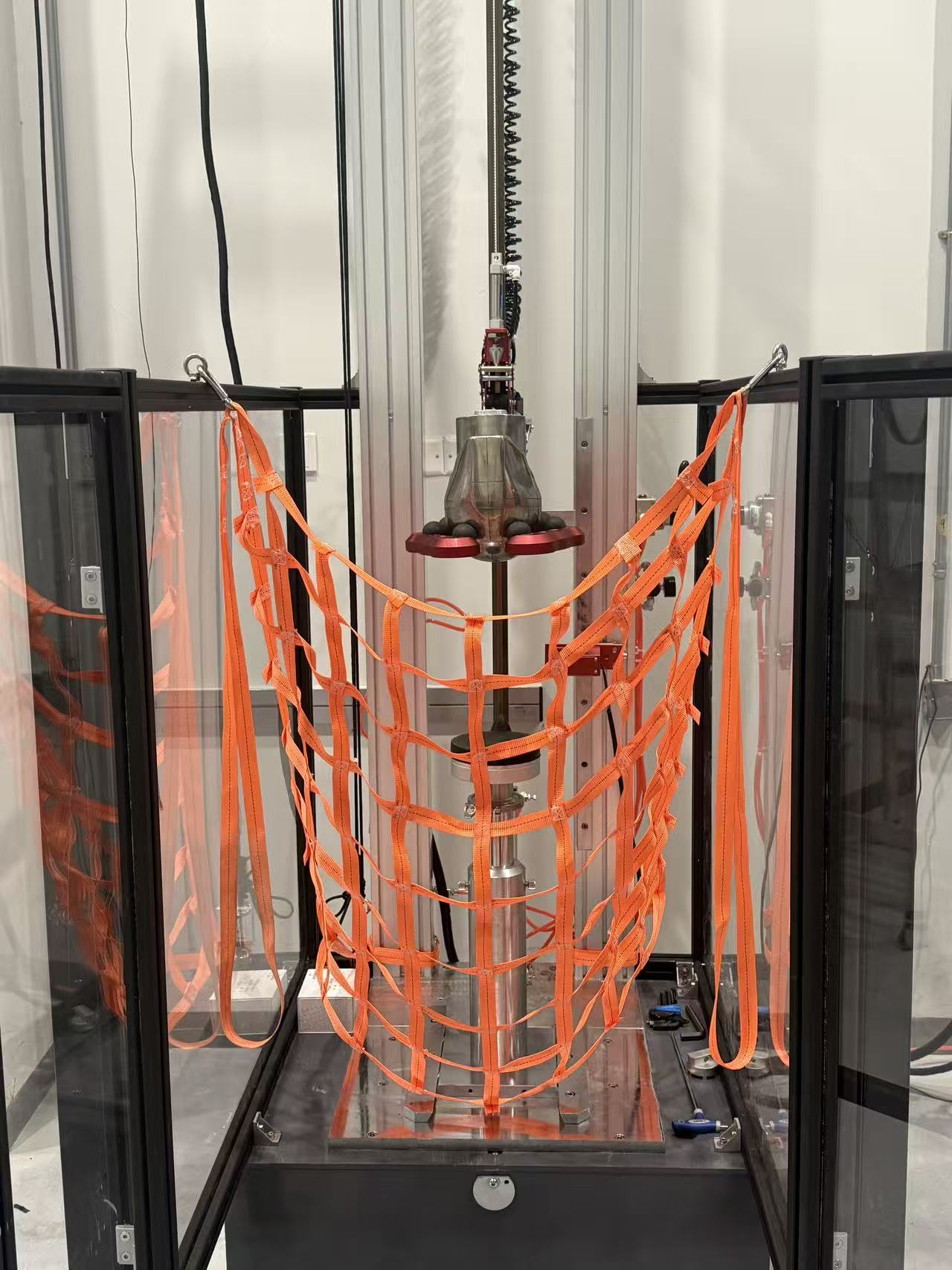
2. The New Rotational Impact Test
This is the "crown jewel" of the new standard. Real-world crashes rarely involve hitting a wall head-on. Usually, a rider slides or hits the ground at an angle.
-
The Test: Helmets are dropped against an angled anvil.
-
The Goal: To measure how much rotational acceleration is transmitted to the brain.
-
The Result: Helmets must now be designed to "slip" or manage twisting forces to prevent internal brain tearing.
3. Variable Speed Testing
Accidents don't always happen at high speeds. Interestingly, a helmet that is too stiff can be dangerous in a low-speed fall. ECE 22.06 tests helmets at both higher and lower velocities to ensure the EPS liner (the foam inside) is sophisticated enough to absorb energy in all scenarios.
How ECE 22.06 Impacts Helmet Components
The standard doesn't just look at the shell; it examines every "add-on" that riders use daily.
Visors and Sun Shields
Visors are now subjected to a high-speed particle test, where a steel ball is fired at the visor at 60 m/s (approx. 134 mph). It must not shatter or deform. Furthermore, internal drop-down sun visors must now operate independently and not interfere with the main safety structure.
Official Accessories and Intercoms
In the past, adding a Bluetooth intercom was a legal gray area. Under ECE 22.06:
-
Helmets are tested with and without official accessories.
-
The standard ensures that a mounted camera or intercom doesn't create a snag point that could twist the rider's neck during a slide.
What Does This Mean for Buyers?
If you are looking for a new helmet, here is what you need to keep in mind regarding the 22.06 transition.
Should you replace your current helmet?
If your current helmet is ECE 22.05, it is still legal to wear. However, it does not offer the same level of rotational protection as the newer models. Most experts recommend upgrading to an ECE 22.06 certified lid once your current one reaches its 5-year lifespan.
Are 22.06 helmets heavier?
Because of the more stringent energy absorption requirements, some 22.06 helmets may be slightly heavier or have a larger shell profile. However, premium brands are using advanced carbon fiber and composite weaves to keep the weight down while meeting the new safety goals.
Final Thoughts: Safety is the Priority
The ECE 22.06 standard represents a massive leap forward in rider protection. By demanding better performance in rotational impacts and ensuring visors are tougher than ever, this regulation is objectively saving lives.
When you see the ECE 22.06 sticker on the back of a helmet, you aren't just buying a piece of plastic; you are buying the peace of mind that comes from the most advanced safety testing in motorcycle history.
Is Your Helmet Outdated? 5 Major Upgrades in the New ECE 22.06 Standard
The Ultimate Guide to EN 166 High-Speed Particle Impact Resistance
Related Article


