
Cracking the Code: Your Ultimate Guide to Picking the Perfect Climate Chamber
author: Sara
2025-11-11
1. Introduction
1.1 The Significance of Climate Chambers
In today's rapidly evolving technological landscape, climate chambers have emerged as indispensable tools across a wide spectrum of industries, with their importance resonating particularly strongly in scientific research and industrial production.
In scientific research, especially in fields like materials science, understanding how different materials respond to varying environmental conditions is crucial. For instance, when developing new polymers for use in aerospace components, researchers need to know how these materials will perform in extreme cold during high - altitude flights or under intense heat during re - entry into the Earth's atmosphere. Climate chambers allow them to precisely simulate these conditions, providing valuable insights into material durability, chemical stability, and mechanical properties. This, in turn, accelerates the development of advanced materials that are more reliable and efficient.
In industrial production, ensuring product quality and reliability is a top priority. For the automotive industry, climate chambers play a pivotal role in testing vehicle components. Before a new car model hits the market, its engines, batteries, and electronic systems are subjected to a gamut of climate - related tests. These include extreme heat tests to mimic desert driving conditions, cold - temperature tests to simulate winter driving in polar regions, and high - humidity tests to replicate tropical climates. By doing so, manufacturers can identify potential weaknesses in their products early in the development cycle, leading to improved product design, reduced warranty claims, and enhanced customer satisfaction.
1.2 Purpose of This Blog
The aim of this blog is to offer engineers a comprehensive and practical checklist for choosing the right climate chamber. With a plethora of options available in the market, each boasting different features, capabilities, and price points, the decision - making process can be daunting. This guide will break down the key factors to consider, from technical specifications such as temperature and humidity control accuracy to more practical aspects like maintenance requirements and budget constraints. By the end of this blog, engineers will be equipped with the knowledge and tools to make an informed decision, ensuring that they select a climate chamber that best suits their specific project needs and long - term goals.
2. Understanding Climate Chambers
2.1 What is a Climate Chamber?
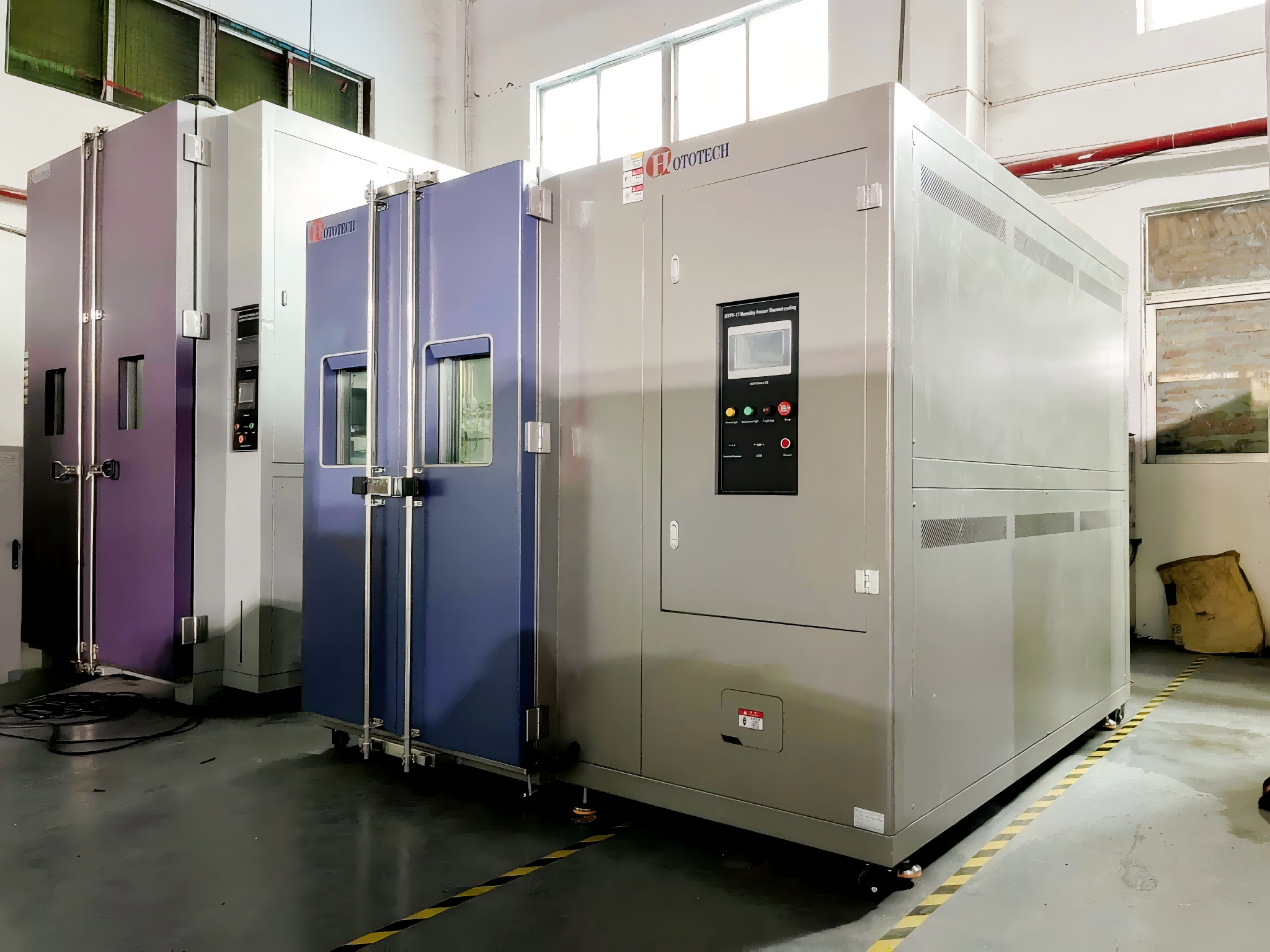
A climate chamber, also known as an environmental test chamber or artificial climate box, is a sophisticated piece of equipment designed to create and maintain specific environmental conditions within a sealed space. It can precisely simulate a wide range of climatic conditions, including but not limited to temperature, humidity, altitude, solar radiation, and even air composition.
At its core, a climate chamber consists of several key components. The temperature control system is one of the most fundamental. It uses a combination of heating elements, such as electric resistive heaters, and cooling mechanisms, like refrigeration systems. For instance, in a high - end climate chamber used for aerospace component testing, the temperature can be adjusted from extremely low values, close to - 70°C to simulate the coldness of outer space, to high temperatures of up to 150°C or more to mimic the heat generated during re - entry into the Earth's atmosphere.
Humidity control is another crucial aspect. Humidifiers, such as steam - based or ultrasonic humidifiers, are used to add moisture to the air inside the chamber, while dehumidifiers, often based on condensation or desiccant - based principles, are employed to remove excess moisture. This allows for the creation of environments ranging from arid deserts with low humidity levels to humid rainforest - like conditions.
Advanced climate chambers may also incorporate features for simulating other environmental factors. For example, some chambers can adjust air pressure to replicate different altitudes, which is essential for testing products like aircraft engines or high - altitude electronics. Additionally, they may have lighting systems that can simulate solar radiation, complete with different wavelengths and intensities to study the effects of sunlight on materials or products.
2.2 Common Uses
Climate chambers find extensive applications across multiple industries, each leveraging the chamber's ability to create controlled environmental conditions for different purposes.
In the electronics industry, climate chambers are indispensable for product development and quality control. Electronic components and devices, such as smartphones, laptops, and integrated circuits, need to function reliably in diverse environmental conditions. For example, before a new smartphone model is released, its circuit boards, batteries, and display components are subjected to a series of climate - related tests. These may include high - temperature and high - humidity tests to simulate use in tropical regions, where high humidity can cause corrosion and short - circuits, and low - temperature tests to ensure that the device can still operate in cold climates without issues like battery drain or screen malfunctions. Climate chambers also play a crucial role in accelerated aging tests for electronic components. By subjecting components to extreme temperature and humidity cycles, manufacturers can predict their long - term reliability and lifespan, reducing the risk of product failures in the field.
The automotive industry heavily relies on climate chambers for vehicle and component testing. Car manufacturers use these chambers to test the performance and durability of various vehicle parts under different climate conditions. Engines are tested for cold - start performance in extremely low - temperature environments, simulating winter driving in polar regions. The heating, ventilation, and air - conditioning (HVAC) systems are evaluated under high - temperature and high - humidity conditions to ensure they can effectively cool the vehicle interior in hot and humid summers. Moreover, the materials used in vehicle interiors, such as plastics, fabrics, and adhesives, are tested for their resistance to fading, cracking, and degradation under simulated sunlight and temperature variations. This helps in ensuring that the vehicle maintains its aesthetic and functional integrity over its lifespan.
Pharmaceutical companies utilize climate chambers for drug stability testing. Drugs need to maintain their efficacy and safety throughout their shelf - life, regardless of the storage and transportation conditions they may encounter. Climate chambers are used to simulate different storage conditions, such as long - term storage at controlled room temperature and humidity, as well as accelerated stability testing at higher temperatures and humidity levels. By monitoring the chemical and physical properties of drugs over time in these simulated environments, pharmaceutical companies can determine the appropriate storage conditions, expiration dates, and packaging requirements for their products. This is crucial for ensuring that patients receive safe and effective medications.
In the aerospace industry, climate chambers are used to test the performance of aircraft and spacecraft components in extreme environments. Components like avionics systems, engines, and structural materials are tested under conditions that mimic high - altitude flight, including low air pressure, extreme cold, and high - velocity airflow. For satellites, climate chambers are used to simulate the harsh conditions of space, such as vacuum, extreme temperature variations, and radiation exposure. This ensures that aerospace components can withstand the rigors of space travel and maintain their functionality, contributing to the safety and success of space missions.
3. Key Factors to Consider
3.1 Temperature and Humidity Range
3.1.1 Required Temperature Range
Determining the required temperature range is fundamental when choosing a climate chamber. Different experiments have diverse temperature requirements. For instance, in semiconductor testing, components need to be tested at high temperatures, often up to 150°C, to assess their performance under extreme heat stress. This is because semiconductors are used in various electronic devices that can generate significant heat during operation, such as high - performance computer processors. On the other hand, in pharmaceutical stability testing, drugs may need to be stored and tested at relatively lower temperatures, around 2 - 8°C for cold - chain drugs or 25°C for room - temperature - stable medications. If the chosen climate chamber has a limited temperature range and cannot reach the required highs or lows, it will render the chamber unsuitable for these specific experiments. This could lead to inaccurate test results, wasted resources, and delays in product development or research progress. Therefore, carefully evaluating the minimum and maximum temperature needs of your experiments is crucial.
3.1.2 Humidity Requirements
Humidity is another critical factor, and its range can have a profound impact on different experiments. In the food industry, humidity control is essential for studying food spoilage and shelf - life extension. High - humidity conditions, around 70 - 90% RH (Relative Humidity), can accelerate the growth of molds and bacteria on food products, while low - humidity environments, below 30% RH, may cause food to dry out and lose its quality attributes, such as texture and flavor.
For electronic components, humidity can be a major cause of failure. High humidity can lead to corrosion of metal parts within the components, short - circuits, and reduced electrical performance. In the case of printed circuit boards, even a small increase in humidity can cause the formation of conductive filaments between traces, leading to electrical malfunctions. Thus, if an experiment involves testing the reliability of electronic components, a climate chamber with precise humidity control, often in the range of 20 - 60% RH, is required. In some advanced experiments, such as those simulating tropical or arid climates for product durability testing, the humidity range needs to be adjustable from as low as 10% RH to as high as 95% RH. This wide range allows for a comprehensive assessment of how products will perform in diverse real - world humidity conditions.
3.2 Volume and Space
The volume and space of the climate chamber are practical yet crucial considerations. First and foremost, the chamber's interior volume must be sufficient to accommodate the experimental items comfortably. If you are testing large - scale industrial products like automotive engines or large - format electronic displays, a chamber with a large internal volume, perhaps several cubic meters in size, is necessary. These large items need enough space to be placed without overcrowding, as overcrowding can impede the proper circulation of air and heat within the chamber, leading to uneven temperature and humidity distribution.
On the other hand, if you are conducting experiments with small - scale samples, such as electronic components or small biological specimens, a smaller - volume chamber, maybe in the range of a few liters to a hundred liters, would be more appropriate. This not only saves on cost and energy consumption but also ensures more efficient and precise environmental control.
In addition to the sample size, the available space in the laboratory where the climate chamber will be installed also matters. A large, floor - standing climate chamber requires a significant amount of floor space, and it should be placed in an area with enough clearance around it for maintenance, ventilation, and access. If the laboratory space is limited, a smaller, benchtop - style climate chamber might be a better option. Moreover, factors such as the height of the ceiling and the accessibility of the installation area, including doorways and corridors, need to be taken into account to ensure that the chamber can be installed and moved around easily.
3.3 Control Precision
Control precision of parameters like temperature and humidity is of utmost importance for the accuracy of experiments. In scientific research, even the slightest deviation in temperature or humidity can lead to significant errors in experimental results. For example, in materials research, when studying the phase transition of a new alloy, a temperature deviation of just ±0.1°C can cause incorrect identification of the transition temperature, which in turn can affect the understanding of the alloy's properties and its potential applications.
In pharmaceutical stability testing, maintaining a precise humidity level is crucial. A humidity deviation of ±2% RH can accelerate or decelerate the degradation rate of drugs, leading to inaccurate predictions of their shelf - life. This could have serious implications for patient safety if drugs are either expired prematurely or assumed to be stable for longer than they actually are.
Advanced climate chambers use sophisticated control systems, such as multi - channel PID (Proportional - Integral - Derivative) controllers, to achieve high - precision control. These controllers continuously monitor the actual temperature and humidity inside the chamber and adjust the heating, cooling, humidifying, and dehumidifying mechanisms accordingly to keep the parameters as close as possible to the set values. High - precision control not only ensures the reliability of experimental data but also allows for more reproducible experiments, which is essential for scientific validation and industrial quality control.
3.4 Construction and Durability
The construction and durability of a climate chamber are directly related to its long - term performance and cost - effectiveness. The chamber's structure should be robust enough to withstand the rigors of continuous operation and the environmental conditions it creates. A well - constructed chamber is made of high - quality materials. For the interior, corrosion - resistant materials like stainless steel are commonly used, especially when the chamber is used for experiments involving corrosive substances or high - humidity environments. Stainless steel can resist rust and degradation over time, ensuring that the chamber's internal components remain in good condition.
The insulation of the chamber is also a key factor in its construction. High - quality insulation materials, such as polyurethane foam or mineral wool, with low thermal conductivity are used to minimize heat transfer between the inside and outside of the chamber. This not only helps in maintaining stable temperature conditions but also reduces energy consumption, making the chamber more energy - efficient. A poorly insulated chamber will require more energy to maintain the desired temperature, leading to higher operating costs in the long run.
The durability of the climate chamber's components, such as the heating elements, cooling compressors, and humidity control systems, is equally important. Components from reputable manufacturers with a track record of reliability are more likely to last longer and require fewer repairs. Regular maintenance is also easier when the chamber is constructed with accessible components and a well - designed layout. A durable climate chamber may have a higher upfront cost, but it will save on replacement and repair costs over its lifespan, making it a more cost - effective choice in the long term for both research institutions and industrial users.
3.5 Safety Features
Safety features are non - negotiable when choosing a climate chamber. One of the most important safety features is leakage protection. Since climate chambers are equipped with electrical components for heating, cooling, and control systems, there is a risk of electrical leakage. A proper leakage protection system, such as an earth leakage circuit breaker (ELCB) or a residual current device (RCD), can quickly detect any abnormal current leakage and cut off the power supply, protecting operators from electric shock.
Overheat protection is another vital safety function. In case of a malfunction in the heating system, the chamber could overheat, posing a fire hazard and potentially damaging the samples inside. Overheat protection mechanisms, such as thermal cut - off switches, monitor the temperature inside the chamber and automatically shut off the heating elements when the temperature exceeds a safe limit. This helps to prevent fires and ensures the safety of both the equipment and the experimental samples.
Some climate chambers are also equipped with door safety locks and pressure - relief valves for additional safety. Door safety locks prevent the door from being opened during operation when the chamber is at extreme temperatures or pressures, protecting the operator from potential burns or injury. Pressure - relief valves are designed to release excess pressure inside the chamber in case of a pressure build - up, which could occur during altitude simulation or when there is a malfunction in the pressure - control system. These safety features not only protect the well - being of the operators but also safeguard the integrity of the experiments and the investment in the climate chamber.
4. Budget Considerations
4.1 Cost - Quality Balance
When choosing a climate chamber, finding the right cost - quality balance is crucial. While it may be tempting to opt for the cheapest option available, this approach can often lead to long - term issues. In general, higher - quality climate chambers tend to come with a higher price tag, but they also offer several advantages. These may include better control precision, more reliable construction, and a wider range of features. For example, a low - cost climate chamber might have a temperature control accuracy of ±2°C, which could be insufficient for experiments that require highly precise temperature control, such as certain semiconductor research. In contrast, a more expensive, high - quality chamber could offer an accuracy of ±0.1°C, ensuring more accurate experimental results.
However, it's not always the case that the most expensive chamber is the best fit. Some mid - range climate chambers can provide a good balance of quality and cost. They may not have all the bells and whistles of the top - of - the - line models but can still meet the basic requirements of many experiments. It's important to carefully evaluate your specific needs and the features offered by different chambers within your budget range. Consider factors such as the reputation of the manufacturer, customer reviews, and the chamber's performance specifications. By doing so, you can make a more informed decision and select a climate chamber that offers the best value for your money, rather than simply choosing based on price alone.
4.2 Long - Term Costs
In addition to the upfront purchase price, it's essential to consider the long - term costs associated with a climate chamber. One significant long - term cost factor is maintenance. Climate chambers require regular maintenance to ensure their optimal performance. This may include tasks such as cleaning the interior, checking and replacing filters, and servicing the heating, cooling, and humidity control components. Some chambers are designed to be more maintenance - friendly, with easily accessible components and clear maintenance instructions. For example, a chamber with a modular design may allow for easier replacement of individual parts, reducing the time and cost of maintenance. On the other hand, a poorly designed chamber may require specialized tools and expertise for maintenance, increasing the overall maintenance costs.
Energy consumption is another important long - term cost consideration. Climate chambers consume energy to maintain the desired environmental conditions. A more energy - efficient chamber can save you a significant amount of money over its lifespan. Look for chambers with features such as high - efficiency insulation, energy - saving compressors, and intelligent control systems that optimize energy usage. For instance, a climate chamber with a variable - speed compressor can adjust its power consumption based on the actual load, reducing energy waste compared to a fixed - speed compressor. By taking these long - term costs into account during the selection process, you can make a more cost - effective decision and avoid unexpected expenses in the future.
5. Reputation and Customer Reviews
5.1 Researching Manufacturers
Researching the reputation of manufacturers is a crucial step in choosing the right climate chamber. A manufacturer with a good reputation is more likely to produce high - quality products and offer reliable after - sales service. One way to research manufacturers is by looking at their industry experience. Manufacturers that have been in the business for a long time, say 20 years or more, often have a deeper understanding of the technology and market requirements. For example, companies like ESPEC, which has a long - standing presence in the climate chamber market, have had the time to refine their manufacturing processes, improve product designs, and build a vast customer base. Their experience can translate into more reliable and advanced climate chambers.
Another aspect to consider is the manufacturer's certifications and accreditations. Certifications such as ISO 9001 for quality management systems indicate that the manufacturer follows strict quality control procedures throughout the production process. In the context of climate chambers, this could mean that the materials used, the manufacturing techniques employed, and the final product testing are all carried out to high - standard quality requirements. Additionally, industry - specific accreditations, like those related to environmental testing standards compliance, can also be a strong indicator of a manufacturer's reliability.
You can also look at the manufacturer's clientele. If a manufacturer supplies climate chambers to well - known and respected companies in various industries, such as leading automotive manufacturers or top - tier research institutions, it is a sign of the manufacturer's credibility. For instance, if a climate chamber manufacturer counts companies like Tesla or NASA among its clients, it suggests that their products meet the high - performance and reliability standards demanded by these prestigious organizations.
5.2 Reading Customer Reviews
Reading customer reviews is an invaluable source of information when choosing a climate chamber. Customer reviews provide real - world insights into the performance, reliability, and usability of a particular climate chamber model. Online platforms, such as industry - specific review websites, Amazon (if the chamber is sold there), and manufacturer - specific review sections on their websites, are great places to find customer feedback.
Positive reviews can highlight the strengths of a climate chamber. For example, customers may praise a chamber for its excellent temperature and humidity control accuracy, stating that it consistently maintains the set parameters within a very narrow tolerance. They might also commend the ease of use of the chamber's control interface, which could be crucial for operators who need to quickly set up and run experiments.
Negative reviews, on the other hand, can reveal potential issues. Some customers may complain about frequent breakdowns of the chamber, which could indicate problems with the durability of the components or the overall design. Others might mention difficulties in getting timely after - sales support from the manufacturer, such as long response times to service requests or unavailability of replacement parts. By carefully analyzing both positive and negative reviews, you can get a more balanced view of a climate chamber's pros and cons. This helps you make a more informed decision and avoid choosing a chamber that may have hidden problems.
6. After - Sales Service
6.1 Importance of Support
After - sales service is a critical factor that often determines the long - term satisfaction and success of using a climate chamber. A reliable after - sales support system is essential for the long - term stable operation of the equipment. Climate chambers, like any complex piece of machinery, are prone to occasional malfunctions. Whether it's a minor issue such as a sensor calibration problem or a major breakdown of a key component like the cooling compressor, having access to prompt and efficient after - sales support can make a significant difference.
In a research environment, equipment downtime due to a malfunctioning climate chamber can lead to delays in experiments. For example, if a pharmaceutical company is conducting a time - sensitive drug stability test and the climate chamber breaks down, valuable time and resources can be wasted. In an industrial setting, production lines that rely on climate - tested components may come to a halt, resulting in significant financial losses. A responsive after - sales service can minimize this downtime by quickly diagnosing the problem and providing effective solutions, whether it's sending a technician for on - site repair or providing replacement parts in a timely manner.
6.2 What to Expect from After - Sales
A comprehensive after - sales service should cover a range of essential aspects. Repair services are a fundamental part. The manufacturer should have a team of trained technicians who can quickly identify and fix issues. This includes having access to a stock of replacement parts for common components such as heating elements, humidity sensors, and fans. For example, if the heating element in the climate chamber fails, the technician should be able to replace it promptly with a high - quality replacement part to restore the chamber's functionality.
Preventive maintenance is another crucial aspect. Regular maintenance visits by the manufacturer's technicians can help identify potential problems before they turn into major breakdowns. This may involve tasks such as cleaning the interior of the chamber, checking the tightness of electrical connections, and inspecting the condition of the insulation. By conducting these preventive maintenance measures, the lifespan of the climate chamber can be extended, and the likelihood of unexpected malfunctions can be reduced.
Training is also an important part of after - sales service. Even if the climate chamber comes with a user manual, hands - on training can greatly enhance the user's ability to operate and maintain the equipment. Training can cover aspects such as basic operation, advanced parameter setting, and simple troubleshooting. For new users, training can ensure that they are able to use the climate chamber to its full potential from the start. Additionally, some manufacturers may offer training on new features or software updates over time, keeping the users informed and proficient in using the latest capabilities of the chamber.
7. The Selection Process
7.1 Making a Checklist
Now that we've covered all the essential factors, it's time to translate this knowledge into action by creating a checklist. Start by listing the temperature and humidity requirements for your experiments. Specify the minimum and maximum temperature values, as well as the required humidity range. For example, if you're conducting pharmaceutical stability tests, you might write "Temperature range: 2 - 8°C (for cold - chain drugs) and 25°C (for room - temperature - stable drugs), Humidity range: 35 - 75% RH".
Next, consider the volume and space constraints. Note down the approximate size of the samples you'll be testing and the available space in your laboratory. If you're testing small electronic components, you could write "Sample size: small - scale components, Chamber volume required: around 50 - 100 liters. Laboratory space available: limited, prefer a benchtop - style chamber".
Include items related to control precision, such as the desired temperature and humidity control accuracy. For high - precision experiments, you might specify "Temperature control accuracy: ±0.1°C, Humidity control accuracy: ±2% RH".
Under construction and durability, list your expectations for the chamber's materials and build quality. You could write "Interior material: stainless steel, Insulation: high - quality polyurethane foam, Component durability: components from reputable manufacturers".
Don't forget to include safety features, like "Leakage protection: earth leakage circuit breaker (ELCB), Overheat protection: thermal cut - off switches".
In terms of budget, set a clear price range and consider long - term costs. For example, "Budget:
10000, Long - term costs: low - maintenance and energy - efficient model preferred".
5000−
Finally, add sections for manufacturer reputation and after - sales service. For reputation, you could write "Research manufacturers with at least 10 years of industry experience and positive customer reviews". For after - sales service, include details like "Repair services: 24 - hour response time, Preventive maintenance: annual visits, Training: on - site training provided".
7.2 Comparing Options
Once you have your checklist in hand, it's time to start comparing different climate chamber options. Begin by researching various manufacturers and their product lines. Visit their official websites to gather detailed product specifications. For example, if you're considering a climate chamber from Manufacturer A and Manufacturer B, carefully compare the temperature and humidity ranges, control precision, and volume details provided on their websites.
Look for product brochures and technical datasheets, as these documents often contain in - depth information about the chamber's features, capabilities, and performance. They may also include information about the chamber's construction materials, safety features, and energy consumption.
In addition to manufacturer - provided information, turn to independent review platforms and industry forums. These can be a great source of unbiased opinions from other engineers and users who have firsthand experience with different climate chambers. Pay attention to their feedback on aspects such as reliability, ease of use, and after - sales support. For instance, if many users on a forum complain about the slow response time of a particular manufacturer's after - sales service, it's a red flag that you should take into account.
Make a side - by - side comparison table that includes all the key factors from your checklist. This will make it easier to visually compare the different options and quickly identify which chambers best meet your requirements. For example, in the table, you can list Manufacturer A's chamber with its temperature range, control precision, price, etc., next to Manufacturer B's chamber's corresponding details. This way, you can clearly see the differences and similarities between the two and make a more informed decision based on your specific needs.
8. Conclusion
8.1 Recap of Key Points
In summary, choosing the right climate chamber is a multifaceted decision - making process that requires careful consideration of numerous factors. First and foremost, temperature and humidity range are fundamental. Understanding the exact temperature highs and lows, as well as the humidity levels needed for your experiments, is crucial. A mismatch in these ranges can lead to inaccurate results and failed experiments.
Volume and space considerations ensure that the chamber can accommodate your samples without compromising the quality of the test environment. Whether it's a large - scale industrial product or a small - scale laboratory sample, the chamber's interior volume and the available space in your laboratory play a significant role.
Control precision is essential for obtaining reliable and reproducible results. High - precision control of temperature and humidity parameters allows for more accurate simulations of real - world conditions, which is especially important in scientific research and high - quality industrial testing.
The construction and durability of the climate chamber determine its long - term performance and cost - effectiveness. A well - constructed chamber with high - quality materials and durable components can withstand continuous use and reduce the need for frequent repairs and replacements.
Safety features are non - negotiable. Features like leakage protection, overheat protection, and door safety locks safeguard the well - being of operators and the integrity of experiments.
Budget considerations, including finding the right cost - quality balance and accounting for long - term costs such as maintenance and energy consumption, help in making a financially sound decision.
Researching the reputation of manufacturers and reading customer reviews provide valuable insights into the quality and reliability of different climate chamber models. A manufacturer with a good reputation and positive customer feedback is more likely to produce a high - quality product.
Finally, after - sales service is crucial for the long - term stable operation of the climate chamber. Prompt repair services, preventive maintenance, and comprehensive training are all aspects of a reliable after - sales support system.
8.2 Final Thoughts
Engineers are encouraged to approach the selection of a climate chamber with due diligence. By following the checklist and carefully comparing different options, you can ensure that the chosen climate chamber meets your specific requirements. A well - chosen climate chamber is not only an investment in equipment but also an investment in the success of your projects, whether it's product development, scientific research, or quality control. Take the time to research, evaluate, and make an informed decision, and you'll have a reliable climate chamber that serves you well for years to come.
Unveiling the Power of Hail Impact Testing Across Diverse Industries
Why Are They Using Sun Simulator? Exploring the Core Uses of a Game-Changing Tool
Related Article
