
What is ANSI Z87.1?
author: Sara
2025-10-30
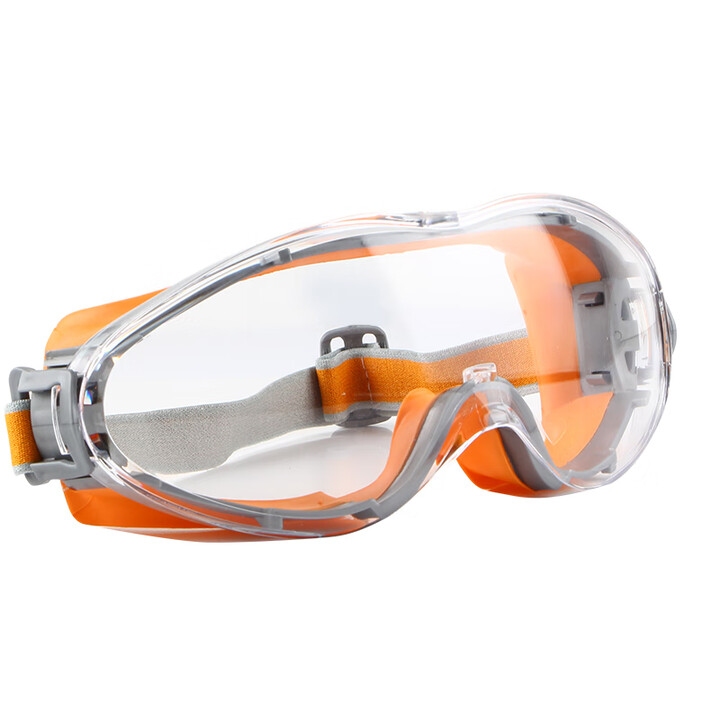
ANSI Z87.1 is a voluntary safety standard developed by the American National Standards Institute (ANSI) in collaboration with the Institute of Electrical and Electronics Engineers (IESA). It sets strict performance criteria for eye protection devices (like safety glasses, goggles, and face shields) to prevent work-related or activity-related eye injuries.
Unlike generic eyewear, products certified to ANSI Z87.1 are rigorously tested to ensure they can withstand real-world hazards. This standard is widely adopted across industries, making it a benchmark for "safe" eye protection in the U.S. and beyond.
Core Purposes of ANSI Z87.1-Certified Eyewear
The primary goal of ANSI Z87.1 is to shield the eyes from common hazards that cause injury. Below are its three key 用途 (purposes), each tied to specific risks:
1. Preventing Impact-Related Eye Injuries
Impact is the leading cause of work-related eye injuries (e.g., flying debris, tools, or falling objects). ANSI Z87.1 requires eyewear to pass two critical tests:
- High-velocity impact test: Lenses must resist a 1/4-inch steel ball traveling at 150 feet per second.
- Low-velocity impact test: Frames and lenses must withstand a 5/8-inch steel ball dropped from 5 feet.Certified products prevent fragments from piercing or shattering into the eye.
2. Shielding Against Harmful Radiation
Many environments expose eyes to invisible, damaging radiation. ANSI Z87.1 mandates protection for two key types:
- Ultraviolet (UV) radiation: Lenses must block 99.9% of UVA and UVB rays (critical for outdoor work or lab settings with UV lamps).
- Infrared (IR) radiation: Specialized lenses (for welding or metalworking) block IR rays that cause thermal damage (e.g., "arc eye").
3. Blocking Chemical Splashes & Particles
In industries like manufacturing, healthcare, or chemistry, liquid splashes (acids, solvents) or fine particles (dust, fumes) pose risks. ANSI Z87.1 requires:
- Goggle-style designs with a tight seal to prevent liquids from seeping behind the eyewear.
- Scratch-resistant coatings on lenses to maintain visibility—even after exposure to abrasive particles.
Key Requirements of the ANSI Z87.1 Standard
To earn ANSI Z87.1 certification, eyewear must meet non-negotiable criteria. These requirements ensure consistency and reliability:
1. Marking Requirements
All certified products must display clear labels—you can find these on the frame or lens:
- Z87+: Indicates the product passes the high-velocity impact test (the most rigorous standard).
- Z87: Indicates compliance with basic impact and safety criteria (common for low-risk environments).
- Additional markings (e.g., "UV" or "IR") signal protection against specific radiation types.
2. Lens & Frame Durability
- Lenses: Must be made from shatter-resistant materials (e.g., polycarbonate, which is 10x stronger than glass). They also must not distort vision (optical clarity is tested for sharpness and focus).
- Frames: Must resist bending or breaking under pressure. If a frame cracks, it should not produce sharp edges that could cut the face.
3. Optical Clarity
Poor vision from blurry lenses can lead to accidents. ANSI Z87.1 requires lenses to have minimal distortion—even at the edges. This ensures users can see clearly while wearing protective eyewear.
Who Needs ANSI Z87.1 Eyewear? Common Use Cases
ANSI Z87.1 is not just for industrial workers—it applies to any activity with eye hazards. Here are the most common scenarios:
1. Industrial & Construction Work
Jobs like metalworking, woodworking, or construction involve flying debris (nails, sawdust) and heavy tools. OSHA (the U.S. Occupational Safety and Health Administration) often mandates ANSI Z87.1 eyewear for these roles.
2. Laboratory & Healthcare Settings
Labs use chemicals, UV lamps, and biological samples that can splash or emit radiation. Healthcare workers may also need ANSI Z87.1 goggles to protect against bodily fluids (e.g., during surgery or patient care).
3. Sports & Recreational Activities
High-impact sports (basketball, hockey, paintball) often use ANSI Z87.1-certified goggles. Even activities like gardening (flying dirt or thorns) or DIY home repairs (drilling, sanding) benefit from this standard.
How to Choose ANSI Z87.1-Compliant Eyewear
Selecting the right ANSI Z87.1 product depends on your specific hazard. Follow these steps:
1. Check for Official Markings
First, verify the Z87+ or Z87 label on the frame or lens. Avoid products without these markings—they may not meet safety standards.
2. Match Protection to Your Hazard
- For impact (e.g., construction): Choose safety glasses with polycarbonate lenses and a wraparound frame.
- For chemicals (e.g., labs): Opt for sealed goggles to prevent splashes.
- For radiation (e.g., welding): Select lenses labeled for IR or UV protection.
3. Prioritize Comfort & Fit
Even the safest eyewear is useless if you don’t wear it. Look for:
- Adjustable nose pads or temples for a snug (but not tight) fit.
- Lightweight materials (like polycarbonate) to avoid discomfort during long wear.
Conclusion
ANSI Z87.1 is more than a label—it’s a guarantee that your eye protection can withstand real-world hazards. Whether you’re working in a factory, experimenting in a lab, or playing a sport, choosing ANSI Z87.1-certified eyewear reduces the risk of permanent eye injury.
Always remember: Generic sunglasses or reading glasses do not meet ANSI Z87.1 standards. When safety is on the line, prioritize products that display the Z87+ or Z87 mark.
How to Do EN388 Glove Testing: A Complete Guide
What is a mask fit test?
Related Article
