
What is a mask fit test?
author: Sara
2025-10-25
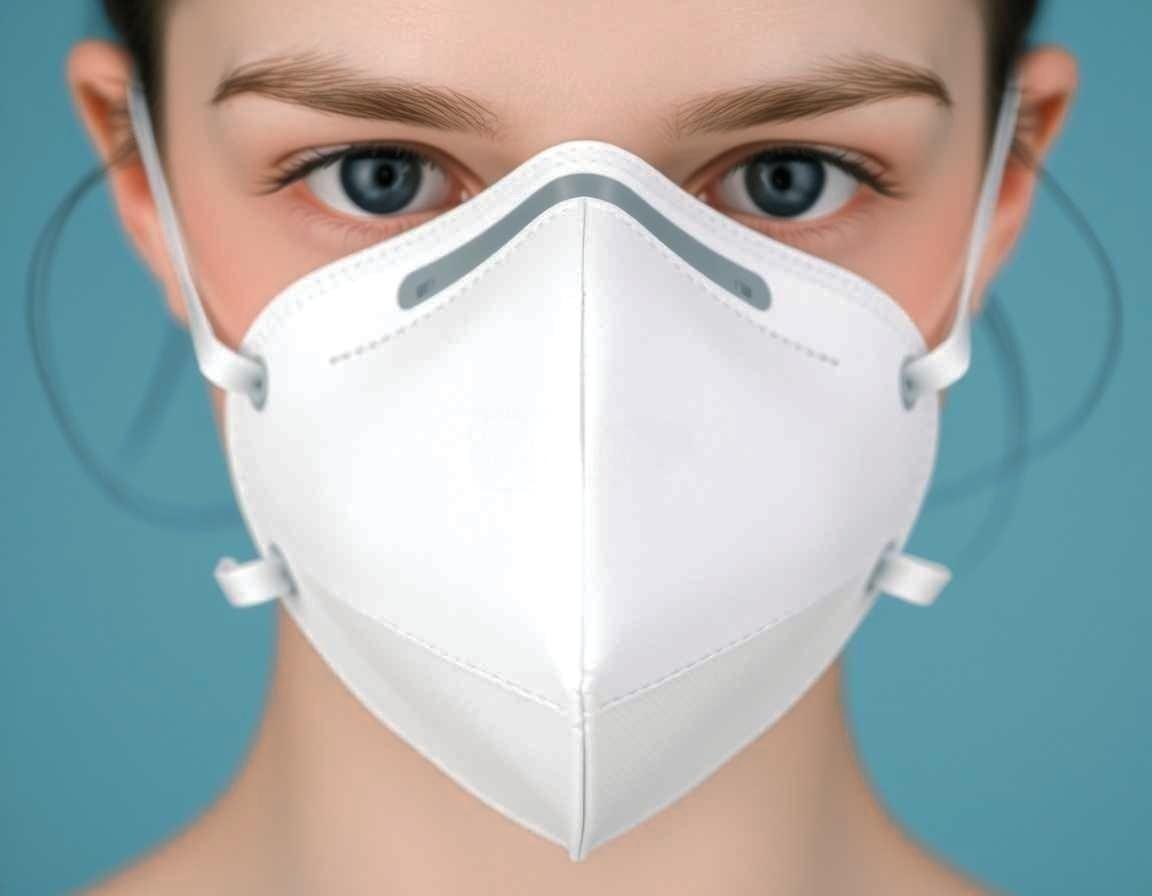
What Is a Mask Fit Test? Everything You Need to Know
In recent years, masks have become an essential tool for protecting our health, especially in environments with high risks of airborne transmission. But wearing a mask alone isn’t enough—a proper mask fit is the key to maximizing its protective effect. This is where a mask fit test comes in. In this blog, we’ll break down what a mask fit test is, why it matters, its types, and who needs it, helping you understand how to ensure your mask truly works.
What Exactly Is a Mask Fit Test?
A mask fit test is a specialized assessment designed to check whether a specific mask forms a tight, secure face seal with an individual’s face. This seal prevents unfiltered air (containing harmful particles, viruses, or bacteria) from leaking in around the edges of the mask.
Unlike a simple “mask size check,” a fit test evaluates the actual performance of the mask on your unique facial structure. Even if a mask is the right size, factors like the shape of your nose, cheeks, or jawline can affect the seal—this is why fit tests are critical for reliable protection.
Why Is a Mask Fit Test Important?
Skipping a mask fit test can render your mask nearly useless, even if it’s a high-quality N95, KN95, or surgical mask. Here’s why it’s non-negotiable:
-
Ensures Protective Efficiency: A mask’s filtration ability (e.g., N95 filters 95% of particles) only works if air passes through the filter. A poor fit lets air leak around the mask, bypassing the filter and exposing you to airborne contaminants.
-
Reduces Health Risks: In high-risk settings (like hospitals or factories), a bad fit increases the chance of inhaling pathogens or toxic substances. A fit test minimizes this risk by confirming the mask’s seal.
-
Avoids Wasting Resources: Investing in expensive protective masks without a fit test means you might be using products that don’t protect you. A fit test ensures you’re getting value from your mask.
Types of Mask Fit Tests
There are two main types of mask fit tests, each with its own methods and purposes. Choosing the right one depends on your industry, mask type, and regulatory requirements.
1. Qualitative Fit Test (QLFT)
The Qualitative Fit Test is a simple, subjective method that uses your sense of taste or smell to detect leaks. It’s commonly used for disposable masks (like N95s) in non-critical settings.
How It Works
- A tester sprays a test agent (either a sweet solution like saccharin or a bitter solution like Bitrex) into a hood placed over your head.
- You wear the mask and perform a series of movements (e.g., talking, bending, head turning).
- If you taste or smell the agent, it means there’s a leak—your mask doesn’t fit properly.
Key Features
- Low cost and easy to perform.
- No special equipment needed (except test agents and a hood).
- Subjective result (relies on your perception).
2. Quantitative Fit Test (QNFT)
The Quantitative Fit Test is an objective method that uses specialized equipment to measure the fit factor—a numerical value that quantifies how well the mask seals. It’s required in high-risk industries (like healthcare and manufacturing) where precision is critical.
How It Works
- A particle counter is used to measure the concentration of particles outside the mask and inside the mask.
- The fit factor is calculated by dividing the outside particle concentration by the inside concentration.
- A fit factor of 100 or higher means the mask is effective (e.g., an N95 requires a fit factor of at least 100).
Key Features
- Objective, numerical results (no human subjectivity).
- More accurate than QLFT.
- Requires professional equipment and trained testers.
Step-by-Step Mask Fit Test Process
Whether you’re doing a QLFT or QNFT, the basic process follows these steps to ensure accuracy:
-
Preparation:
- Choose the mask you plan to wear regularly (different brands/models fit differently).
- Shave facial hair (beards or mustaches can break the seal—this is a common cause of poor fit).
- Adjust the mask’s straps and nose clip to ensure a snug fit.
-
Pre-Test Check:
- The tester checks if the mask is worn correctly (straps over ears/head, nose clip pressed tightly).
- You practice the fit test exercises (talking, smiling, bending over) to get comfortable.
-
Actual Test:
- For QLFT: The test agent is sprayed, and you perform the exercises while checking for taste/smell.
- For QNFT: The particle counter is connected, and the fit factor is measured during exercises.
-
Result Evaluation:
- Pass: No leaks detected (QLFT) or fit factor meets the standard (QNFT).
- Fail: Try a different mask size/model and repeat the test until you pass.
Who Needs a Mask Fit Test?
A mask fit test isn’t just for healthcare workers—anyone who relies on masks for protection in high-risk environments should get one. Here are the key groups:
- Healthcare Workers: Doctors, nurses, and lab staff who work with infectious patients (required by most health authorities).
- Industrial Workers: People in factories, construction, or mining exposed to dust, chemicals, or fumes.
- First Responders: Firefighters, paramedics, and police officers who work in hazardous conditions.
- Laboratory Staff: Researchers handling biological or chemical materials.
- Anyone Using Respirators: Even for personal use in high-risk areas, a fit test ensures your mask works as intended.
Conclusion
A mask fit test is not an extra step—it’s a necessary part of ensuring your mask protects you. Without a proper fit, even the best mask can’t keep you safe from airborne threats. Whether you choose a qualitative or quantitative test, the goal is the same: to confirm your mask forms a tight seal that keeps contaminants out.
If you’re in a high-risk industry or regularly use protective masks, don’t skip a fit test. It’s a small investment that can make a big difference in your health and safety.
What is ANSI Z87.1?
How Long Will Your Mattress Last? The Mattress Roller Tester Has the Answer.
Related Article
