
How Often Do Electrical Gloves Need to Be Tested? A Complete Guide
author: Sara
2025-10-08
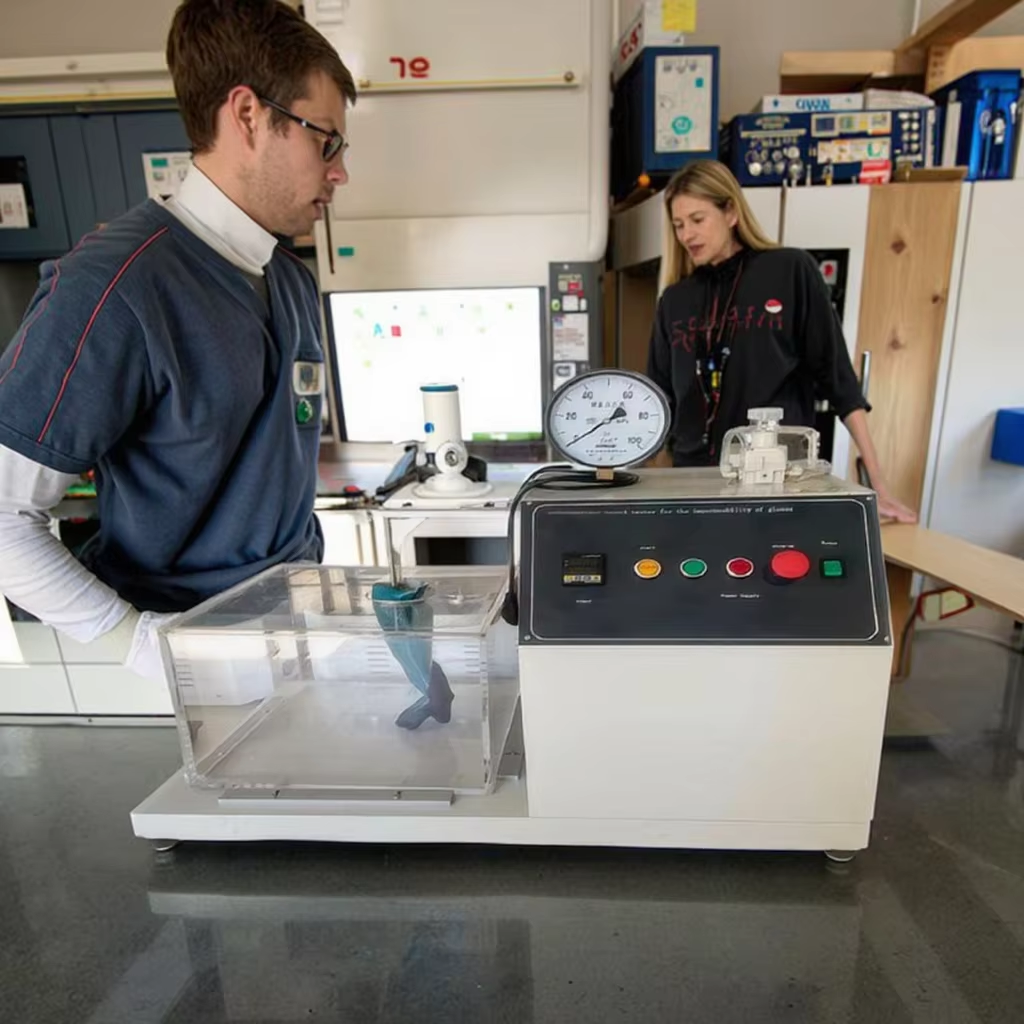
Working with electricity demands strict safety protocols, and electrical gloves stand as a frontline defense against electric shocks. But even the highest-quality gloves lose their protective ability over time—making regular testing non-negotiable. In this blog, we’ll break down the purpose of electrical gloves, how often they need testing, and key steps to keep them in top shape.
What Are Electrical Gloves, and Why Do They Matter?
Electrical gloves are specialized PPE (Personal Protective Equipment) designed to insulate workers from electrical current. Unlike regular gloves, they’re made from durable, dielectric materials (such as rubber or latex) that block electricity, preventing burns, shocks, or fatal injuries.
Their primary uses include:
- Protecting electricians during wiring, repairs, or maintenance on live circuits.
- Shielding workers from accidental contact with energized components (e.g., circuit breakers, transformers).
- Complying with safety standards (like OSHA in the U.S. or IEC globally) that mandate PPE for electrical work.
Without proper testing, even a tiny tear or chemical damage can turn these gloves into a safety hazard.
Key Factors That Determine Testing Frequency
Before diving into timelines, it’s important to note that testing frequency depends on three critical factors:
- Glove Classification: Gloves are rated by voltage (e.g., Class 00 for ≤500V, Class 4 for ≤36,000V). Higher-voltage gloves often require more frequent checks.
- Usage Intensity: Gloves used daily (e.g., by industrial electricians) need more testing than those used occasionally (e.g., for rare maintenance).
- Storage Conditions: Gloves stored in damp, dirty, or chemical-exposed areas degrade faster, requiring more frequent inspections.
How Often to Test Electrical Gloves: A Step-by-Step Breakdown
To simplify compliance, we’ve organized testing into four categories: initial, periodic, in-use, and after incidents.
1. Initial Testing (Before First Use)
Every new pair of electrical gloves must undergo testing before being worn. Manufacturers often perform a factory test, but you should verify this with a third-party or in-house test to ensure no damage occurred during shipping or storage.
- Test Type: Dielectric Test (a high-voltage test to check insulation).
- Why It Matters: Even brand-new gloves can have hidden flaws (e.g., pinholes) that factory inspections missed.
2. Periodic Testing (Routine Scheduled Checks)
Periodic testing is the most critical part of glove maintenance. The frequency varies by industry standards, but here are the global benchmarks:
For Gloves Used in High-Risk Environments (Daily Use, High Voltage)
- Frequency: Every 6 months.
- Applicable To: Class 2–4 gloves (rated for ≥17,000V), gloves used in construction, manufacturing, or power plants.
- Standards Reference: OSHA 1910.137, IEC 60903.
For Gloves Used in Low-Risk Environments (Occasional Use, Low Voltage)
- Frequency: Every 12 months.
- Applicable To: Class 00–1 gloves (≤17,000V), gloves used in office maintenance or low-voltage wiring.
- Exception: If gloves are stored in a clean, dry, and temperature-controlled area (≤25°C/77°F) and unused, some standards allow extending this to 18 months.
What Happens During Periodic Testing?
Two key tests are performed:
- Dielectric Test: Applies a high voltage (higher than the glove’s rating) to check for leaks.
- Visual Inspection: Checks for cracks, tears, discoloration, or chemical residue.
3. In-Use Testing (Before Each Shift)
Workers should inspect gloves before putting them on every day—this takes 60 seconds but can save lives.
- Steps for In-Use Inspection:
- Inflate the glove by rolling the cuff and pressing gently (check for air leaks).
- Look for visible damage: cuts, punctures, or stiffness (a sign of material degradation).
- Feel the interior for moisture (damp gloves reduce insulation).
- Action If Issues Are Found: Remove the glove from use immediately and schedule a formal test.
4. Post-Incident Testing (After Damage or Exposure)
Gloves must be tested after any event that could compromise their integrity, even if no damage is visible. Examples include:
- Contact with chemicals (oils, solvents, or acids).
- Dropping the glove on a sharp surface.
- Exposure to extreme temperatures (e.g., fire, freezing).
- Test Type: Full dielectric test + visual inspection.
- If Failed: Discard the glove—do not attempt to repair it.
How to Maintain Electrical Gloves Between Tests
Proper care extends glove life and reduces the need for unscheduled testing:
- Storage: Keep gloves in a ventilated, dust-free bag away from direct sunlight, chemicals, and sharp objects.
- Cleaning: Wash gloves with mild soap and water after use—avoid harsh detergents.
- Avoid Damage: Do not use gloves for non-electrical tasks (e.g., handling tools, lifting heavy objects).
Common Myths About Electrical Glove Testing
Let’s debunk two dangerous misconceptions:
Myth 1: “If Gloves Look Fine, They Don’t Need Testing.”
False. Pinholes or internal damage are invisible to the naked eye but can still allow electricity to pass through. Only a dielectric test can confirm insulation.
Myth 2: “Expired Gloves Can Be Used for Low-Voltage Work.”
False. Expired gloves (past their periodic test date) lose dielectric strength over time. Even low-voltage current can cause shocks if insulation fails.
Final Takeaway
Electrical glove testing is not just a compliance box to tick—it’s a lifeline for workers. To recap:
- Test new gloves before first use.
- Test high-risk gloves every 6 months, low-risk every 12–18 months.
- Inspect gloves before each shift.
- Test immediately after damage or exposure.
By following these guidelines, you’ll keep your team safe and avoid costly accidents. Remember: a well-tested glove is a reliable glove.
The Mattress Firmness Tester: The Science Behind Sleep Comfort
How do labs test safety helmets?
Related Article
